The rise of the internet and of plentiful avenues for free discussion of ideas posed a serious threat to ability to shape popular opinion through the establishment media. The lies of Russian interference in the 2016 U.S. election have been used not only to prevent cooperation with Russia and to launch a coup (in the guise of a legitimate investigation) against President Donald Trump, but also as an excuse for a crackdown on free expression.
The assault on freedom of expression — which has been in the testing phase for years through the use of patently unconstitutional bans on expression of support for the BDS (boycott, divest, sanctions) movement calling for action to be taken against Israel — is going increasingly mainstream.
Identity politics, racialism, “cancel culture,” safe spaces, trigger warnings, and various aspects of being “woke” that involve denying people the chance to be confronted respectfully with paradoxes and the space to offer their views or change their mind, are creating a situation on college campuses (or in their Zoom counterparts) where support for the freedom of speech, long considered an absolute freedom in the United States, is declining.
Hearings in which angry members of Congress confronted tech executives about their failures to prevent the election of Donald Trump due to their allowing silly social media posts supposedly created by Vladimir Putin — whom they endow with nearly mystical, Rasputin-like powers for insight into U.S. domestic policies — are bearing poisonous fruit.
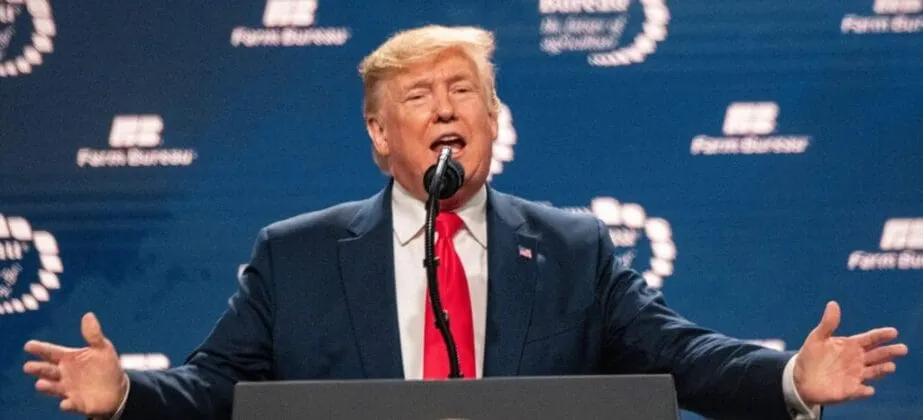
In the last few days, Facebook removed a post by Donald Trump and Twitter removed a tweet by @TeamTrump that expressed the President’s (incorrect, but not uncommon) view that: “If you look at children, children are almost — and I would almost say definitely — but, almost immune from this disease.”
Twitter has also begun marking accounts that it considers to be government-affiliated, including private corporations, if, in its sole judgment, they are under pressure or influence from a government.
Naturally, while this is applied to RT (no surprise) and Caixin (which protests that it is a private, not government, news agency in China), such warnings are not applied to MSNBC or CNN, outlets that are increasingly staffed by “former” intelligence officials! In a way this is fitting, since these intelligence services, and their big brothers in London, do not represent the interests of their governments. The British Broadcasting Corporation and Voice of America — whose names offer the particularly insightful observer some slight hint of their government connections — are not marked as government-related media by the gods of Mount Twitter.
There are two questions to ask: (1) Does preventing the expression of odious views actually reduce the number of people who hold them? (2) Who decides what is right and what is wrong?