A battle is being waged, against cooperation between the United States, Russia, China, and India — and against your ability to think about and discuss openly the situation that confronts you.
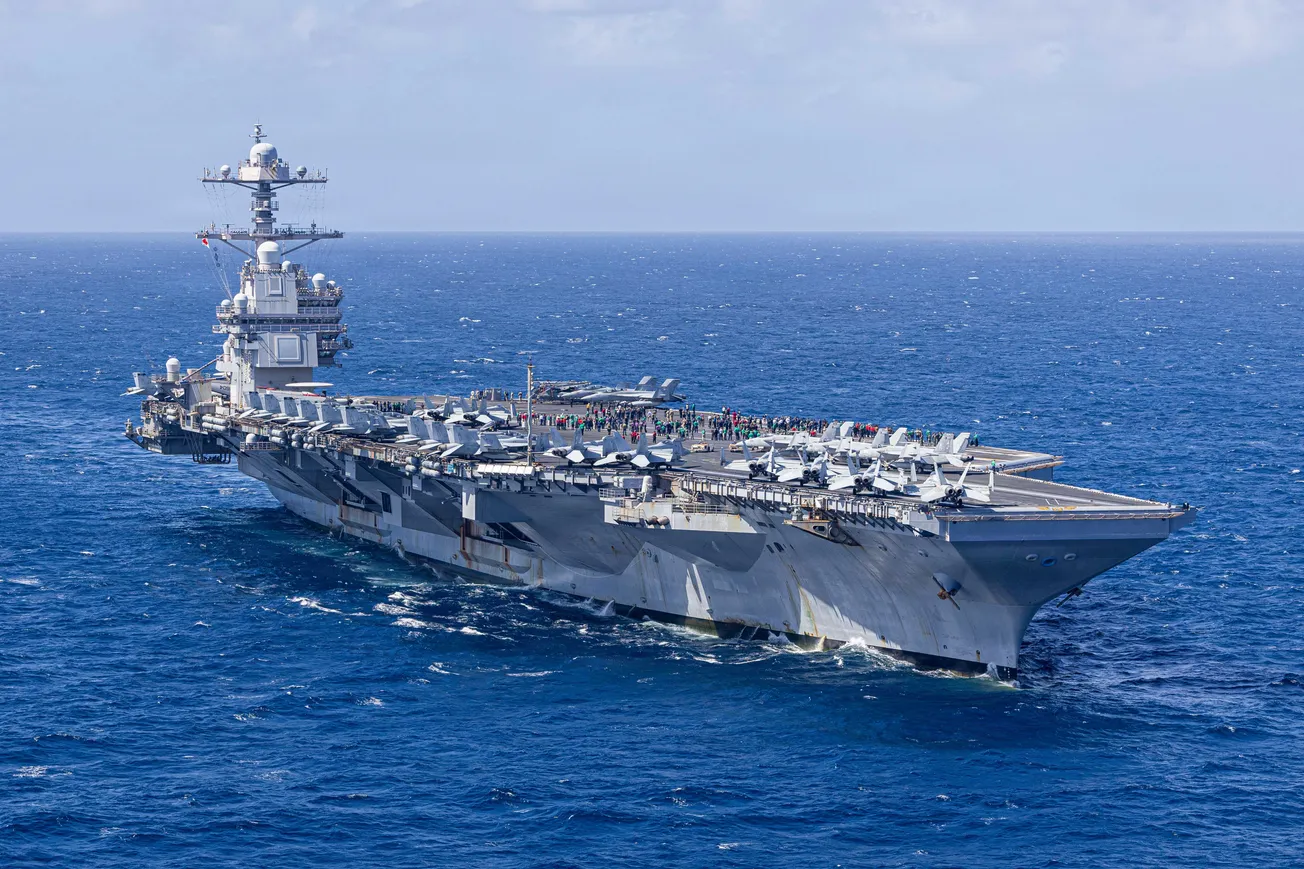
Statements from two Australian prime ministers reflect the growing danger of actual military confrontation between the United States and China. Kevin Rudd wrote on August 5: “Unmoored from the strategic assumptions of the previous 50 years but without the anchor of any mutually agreed framework to replace them, the world now finds itself at the most dangerous moment in the [US-China] relationship since the Taiwan Strait crises of the 1950s. The question now being asked, quietly but nervously, in capitals around the world is, where will this end? The once unthinkable outcome — actual armed conflict between the United States and China — now appears possible for the first time since the end of the Korean War. In other words, we are confronting the prospect of not just a new Cold War, but a hot one as well.” Asked about the comments from former Prime Minister Rudd, current Prime Minister Scott Morrison responded that war between the United States and China was “previously inconceivable; not considered even possible or likely. But not anymore.”
The Bush withdrawal from the Antiballistic Missile treaty, the Obama “Pivot to Asia” and 2014 Ukraine coup leading to seemingly perpetual sanctions against Russia for allowing Crimea to rejoin it, the British intelligence-launched Russiagate hoax, the Trump administration withdrawal form the Intermediate Nuclear Forces agreement and Open Skies treaty, the threat of the end of the New START arms-control agreement, the lies about COVID-19 being China’s fault and extreme exaggerations about the status of Uyghurs in China — all of these have served to increase tensions.
How does discussion about these issues unfold?
While the internet eliminated the stranglehold that establishment media had over the press and allowed for freer discussion and experimentation with ideas (and was used to great effect by the 2016 Trump campaign), that era of internet freedom is threatened by the multi-pronged censorship that makes people scared to express, or even to think, thoughts that lie too far out of the accepted channels. Wholesale collection of communications data by the American NSA, British GCHQ and their allies around the world vacuums up essentially all internet traffic, raising the threat of exposure of compromising material to exert political control.
The Russiagate lie has been used to empower the censors in the realm of social media, where disfavored opinions are marked as propaganda, hidden from discovery by other users, deleted entirely, or used as a basis for completely eliminating accounts. This censorship has extended to the President of the United States. How will it be used to interfere in the 2020 U.S. election? What is the relationship of this control over social media to the coup run against the Trump presidency since before his inauguration?
And to what end is this censorship practiced? Who is feeling threatened, and why?
British Intelligence, which crafted lies to create the barbaric and murderous 2003 invasion of Iraq, fears a complete upheaval in the world. China’s meteoric economic rise and increasing involvement in international development represents an existential threat to the British-American unipolar locus of power of the past 30 years. Russia’s determination to exert an independent foreign policy is a similar threat. And the potential of President Trump to work with these and other nations, establishing a new orientation of power in the world, towards a trans-Pacific orientation, is simply too much for the British establishment and their American cousins to bear. The House of Lords issued a December 2018 report whose conclusions included “Should President
Trump win a second term, or a similar Administration succeed
him, the damage to UK–US relations will be longer lasting.”
Enormous efforts are being made by a slime-mold-like network of career bureaucrats, political operatives, intelligence agencies, and financial institutions in the City of London and Wall Street to shape U.S. policy—to maintain a system of bailouts rather than fundamental reform of the economic system, to use American military might to prevent the rise of China and the independent action of Russia, while preparing the American population even for war, in order to maintain the old order. Actual U.S. military conflict with Russia and China has become a very real threat over recent years, from the disastrous Obama administration and its actions in Syria (to take an example), and the current drive by Pompeo, Navarro, and other snakes towards creating an enemy image of China.
What will reverse these trends? What actions taken now will result in the United States adopting a future-oriented policy, European nations regaining their sovereignty and independence, and the nations of Africa thriving?
Will you rise to the challenge of acting to answer that question?