For Ukraine, “as there is little chance of climbing out of the current morass, it may be better to negotiate now than later,” said U.S. Army Brig. Gen. Mark T. Kimmitt (ret.) in a Wall Street Journal op-ed entitled “Logistic Peril for NATO Weapons to Ukraine.”
He writes that the latest military aid package from the U.S. included “older and less advanced” systems, which “may indicate that battlefield consumption rates have outpaced production to a point where excess inventories provided to Ukraine are nearly exhausted. Dealing with “dwindling stocks of leading-edge weapon systems” in NATO countries would likely mean a prolonged conflict between Ukraine and Russia. Such a scenario could result in “more pressure from supporting nations, sustained inflation, less heating gas, and falling popular support” in the West.
Kimmitt suggested four ways to speed up the resolution of the conflict, which has now been underway for six months. The first option is to “dig deeper” into NATO stockpiles and send arms to Kiev that have so far been withheld by members due to their own national defense requirements. That’s something EU countries may be willing to do, as Kimmitt offered, it may be “better to use these weapons in Kherson than Krakow,” he added. At least, this option keeps the war inside Ukraine.
Second, the ramping up of production of the systems that are required by Kiev—though Kimmitt, who served as assistant secretary of state for political-military affairs in 2008-09, admits that it would be at least a year before this would have any serious effect. (Hence, this option cannot keep Kiev in the game.)
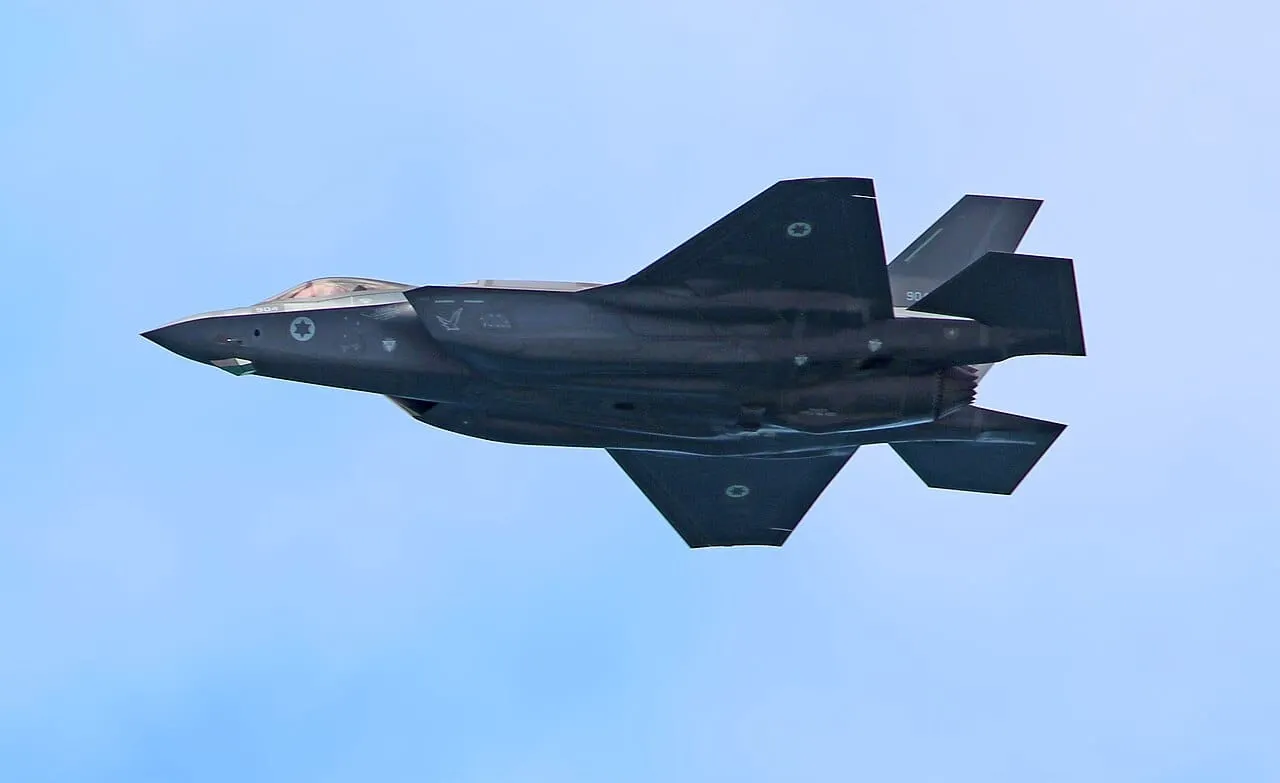
The third option is “to step up the conflict” by providing Ukraine with longer-range systems, such as ATACM missiles, F-16 jets, and Patriots, and “broaden the rules of engagement to attack targets in Crimea and possibly Russia,” he wrote. However, the retired general warned that such escalation would definitely face a “response from Moscow” and create the risk of conflict spilling into Europe.
Hence, the final available solution, according to Kimmitt, is for Ukraine to “push for an interim diplomatic resolution without (or with) territorial concessions.… There is little incentive to negotiate” at the moment, but Zelenskyy “must recognize that diminishing resupplies would have a disastrous effect on his army, not merely for battlefield operations but for the message of declining outside support it would send to the people of Ukraine. Beginning the diplomatic resolution would be distasteful, and perhaps seen as defeatist, but as there is little chance of climbing out of the current morass, it may be better to negotiate now than later.” (https://www.wsj.com/articles/logistic-peril-for-nato-in-ukraine-defense-production-act-weapons-diplomatic-resolution-stockpiles-himars-atacm-missiles-moscow-11661888523 )