
In spite of claims across the trans-Atlantic financial and other media of an “indefinite delay” in Chinese economic data releases, China issued its third-quarter economic report immediately following the Party Congress, and before that of the United States, for example. GDP growth was reported at 3.9% in the past 12 months (not as a “rate,” as GDP is reported elsewhere). It was lowered by the COVID lockdowns and global sanctions and dislocations, but more than half a percent higher than pundits of Wall Street expected. Industrial production had grown 6.3%; fixed asset investment by 5.9% (showing new infrastructure to be the continued driver); exports by 5.7% but imports by only 0.3%. Real estate property sales were way down, about −15%.
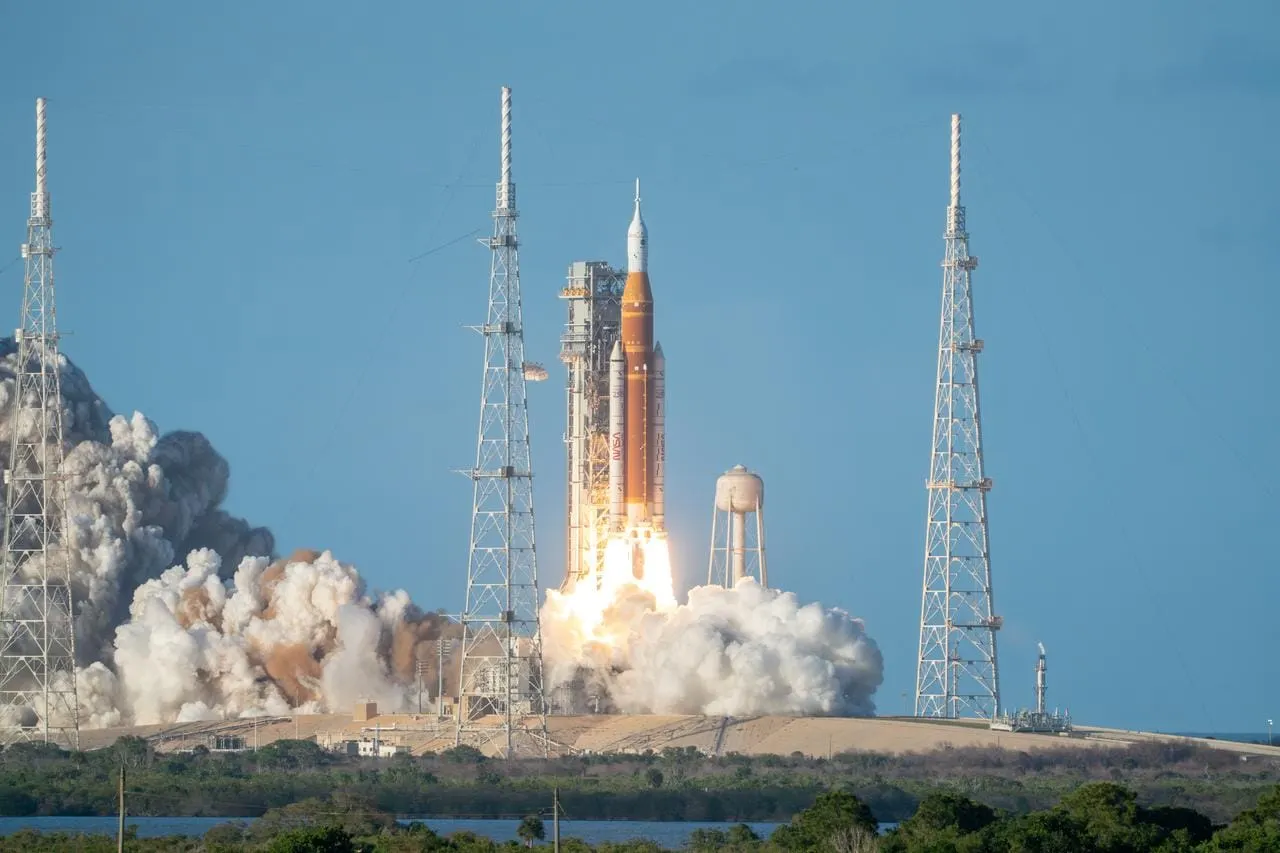
Infrastructure investment continues to be the focus for increasing productivity and raising domestic demand for new technologies. This is the strength which China can use to center its response to the attack by the U.S. military-industrial complex to deny it the most advanced semiconductor chips. Most of the applications for these most advanced chips are seen as military and cyber-military, so that the Biden Administration is urged to think that it is guaranteeing U.S. military superiority over China by this use of the power simply of financial sanctions. But China is more likely to keep its own nano-chip industrial development going by the demands of its new infrastructure, space exploration, and fission-fusion energy.