The Lead
They Aren't That Crazy, Are They?
by Jason Ross (EIRNS) — Jul. 18, 2025
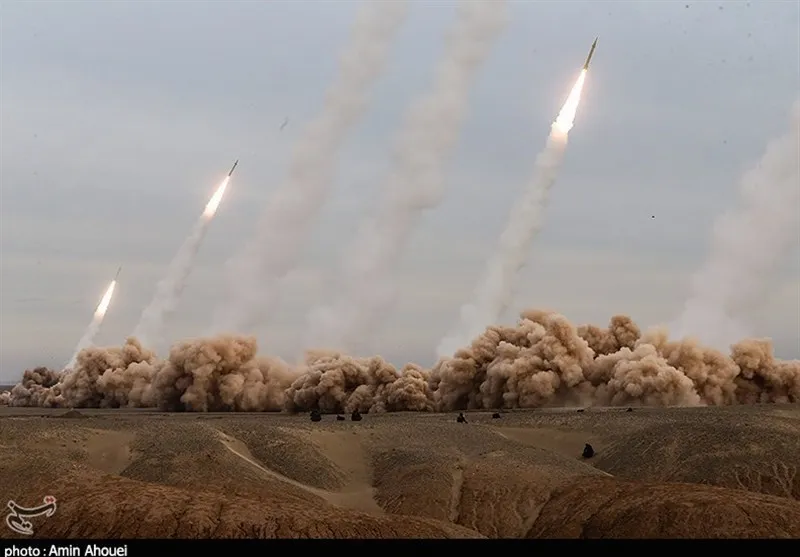
British “think” tanks, American war planners, NATO commanders, and media pundits say that Russia is an existential danger to Europe, and that perhaps tactical nuclear weapons would be useful in a war against that supposed threat.
At first glance, one might assume that this is an exaggeration, a bit of braggadocio.
Surely, one thinks, these people can’t mean to use weapons that would catalyze a chain reaction of counter-strikes that would eliminate human life on this planet as we know it, perhaps permanently—they aren’t that crazy, are they?
It were an irresponsible, dangerous gamble not to take them at their word.
Why is the U.K. pursuing an expanded and independent nuclear capability? Why have the U.K. and France decided to join forces with respect to their nuclear capabilities? Why are German politicians calling for that country to develop its own nuclear weapons?
These same loons claim that a clash between China and the West is inevitable, and that Russia must be quickly dealt with, so they can set their sights on what they perceive to be their long-term enemy, Beijing. They try to stymie China’s economic growth and international reach, both directly, through tariffs and sanctions, and indirectly, by promoting a media campaign against Chinese overseas investment as being a “debt trap.”
But where is the moral authority to attack China, to condemn Russia’s breach of international law while countenancing the genocide conducted by Israel?
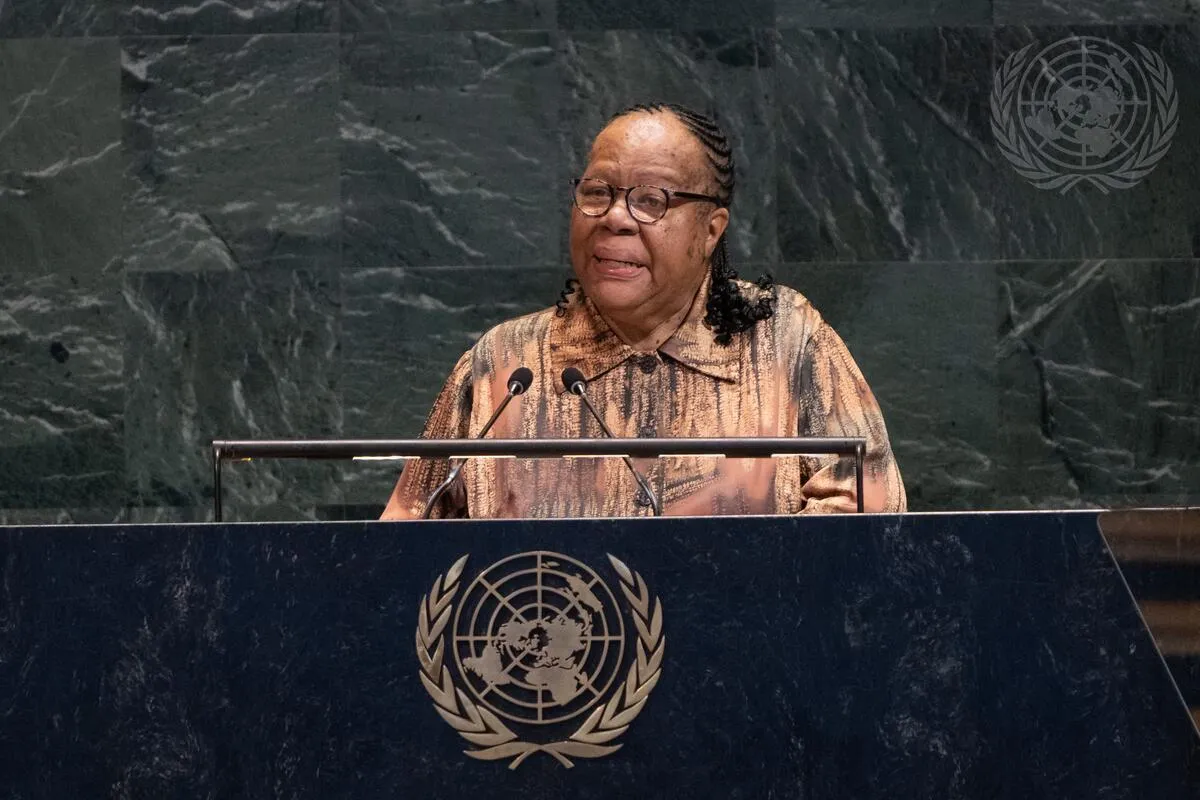
At a recent meeting of the UN Security Council, Russia excoriated Israel and the United States for withholding available humanitarian aid and killing people seeking what meager aid is provided. Meanwhile, the Israeli prime minister continues his campaign of ethnic cleansing and announces a policy that disregards Syria’s territorial integrity.
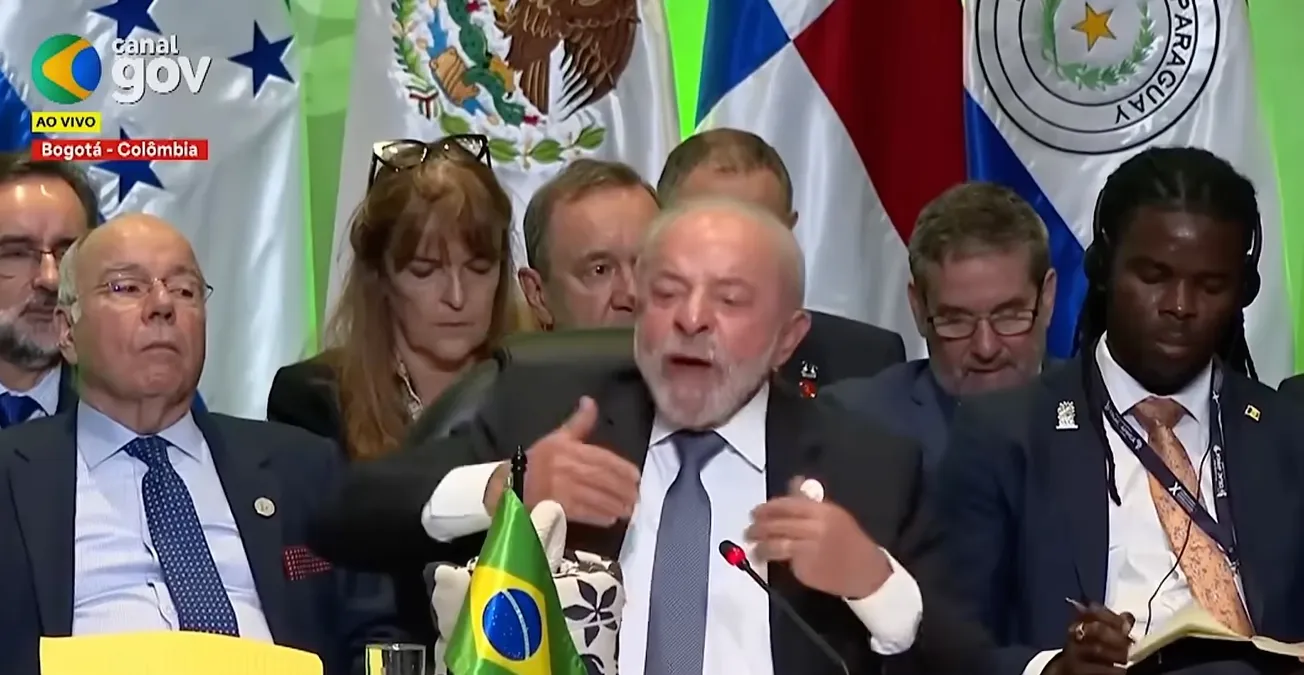
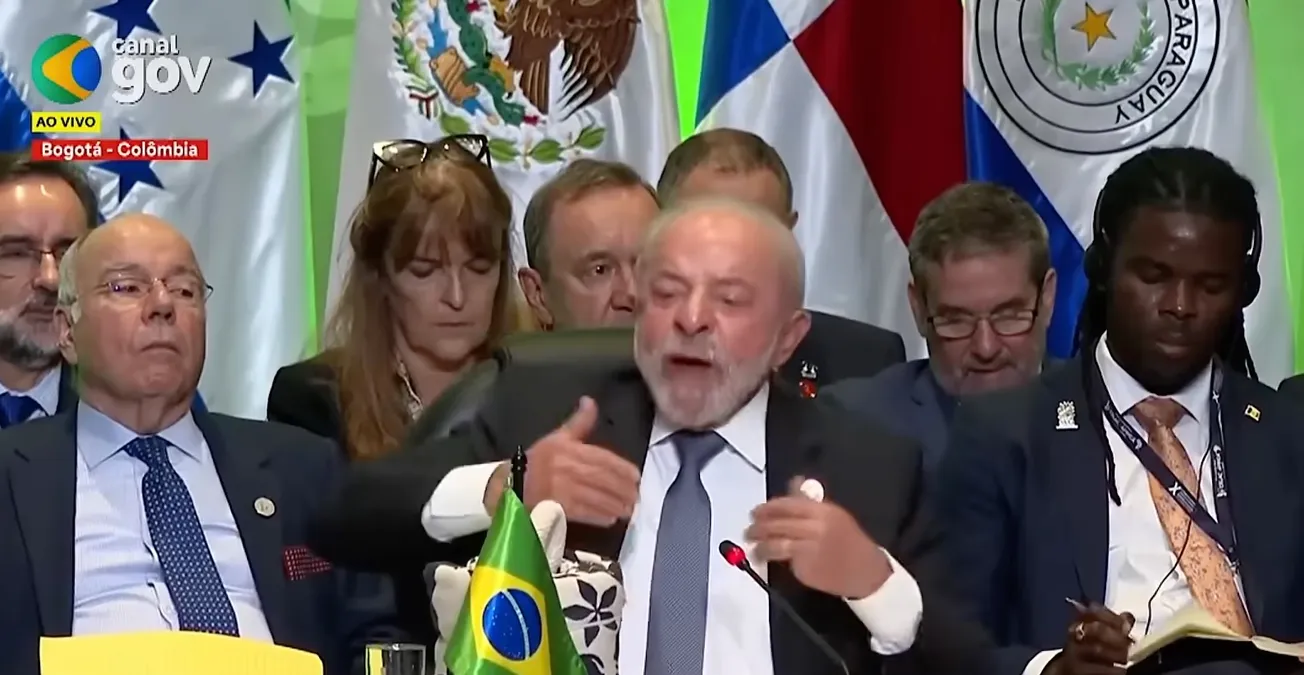
Meanwhile, after Trump threatened Brasília with sanctions unless its judiciary ends its prosecution of the country’s former President, Brazil’s Supreme Court put Jair Bolsonaro under house arrest, and President Lula reminded Trump that he had been elected to lead the U.S., not to be “emperor of the world.”
The old levers of power no longer function.
Truly, world history is approaching a branching point, a discontinuity where its trajectory cannot be simply predicted, but must take on one of two, divergent paths forward.
One path leads to futile efforts to maintain the power and preeminence of the trans-Atlantic financial empire. The other leads to a world of win-win cooperation, rather than zero-sum conflict; a world of common growth for the benefit of others, rather than an oligarchical, hierarchical identity threatened by others’ rise.
Truly, a rising tide can lift all boats, and such a future is within our grasp. Cooperative efforts to eradicate poverty globally, to expand the biosphere with noetic improvements, to achieve scientific breakthroughs that will allow us to write the next chapter of the human story: let these be our worthwhile goals.
The foundering trans-Atlantic system will sink. But we need not go down with it.
The Schiller Institute’s July 12-13 conference in Berlin assembled strategic thinkers, political leaders, scientists, musicians, and activists to deliberate on, and to bring about a new paradigm.
An article reporting on the conference was published by the Times of India, the largest English-language daily in the world.
Review the conference yourself, and share it and the lessons you draw from it with others.
Contents
Strategic War Danger
- Russia Excoriates Israel and U.S. at UN Security Council (↓)
- Arab and Islamic Nations Denounce Israeli Attacks on Syria (↓)
- Netanyahu Regime Escalates Ethnic Cleansing Campaign (↓)
- Orban Maintains, No Peace Unless Trump and Putin Find Agreement (↓)
Collapsing Imperial System
- Netanyahu Lays Out Israeli Policy in Southern Syria (↓)
- Israel Said To Have Made Concessions to Hamas in Ceasefire Talks (↓)
- In a Feisty TV Address Lula Denounces Trump's 'Unacceptable Blackmail' (↓)
- How About Trying Negotiations with Brazil, Mr. Trump? (↓)