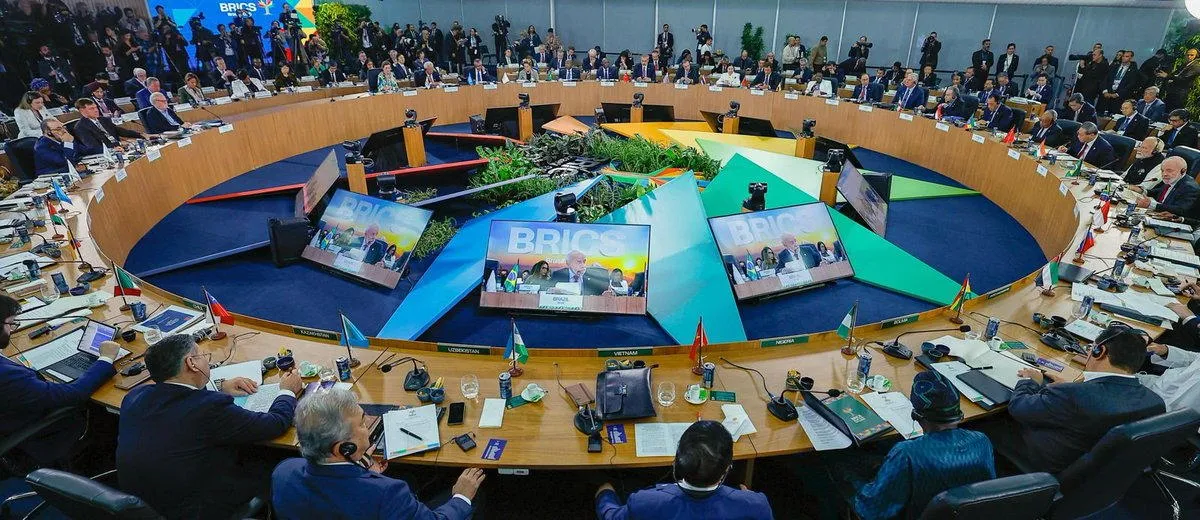
The Royal Institute of International Affairs (aka Chatham House) tried mightily in its July 8 article, “The Rio Summit Showed That BRICS Is Less Anti-Western Than Russia Would Like It To Be,” to portray the BRICS grouping as one dominated by the “authoritarian” governments of Russia and China, which are trying to reshape the world order against the West. This mouthpiece for the British monarchy seemed a tad nervous about what actually transpired at the July 6-7 BRICS summit in Rio de Janeiro. Claiming that the BRICS group is riven with major divisions, author Natalie Sabanadze asserts that not all members like that anti-West focus.
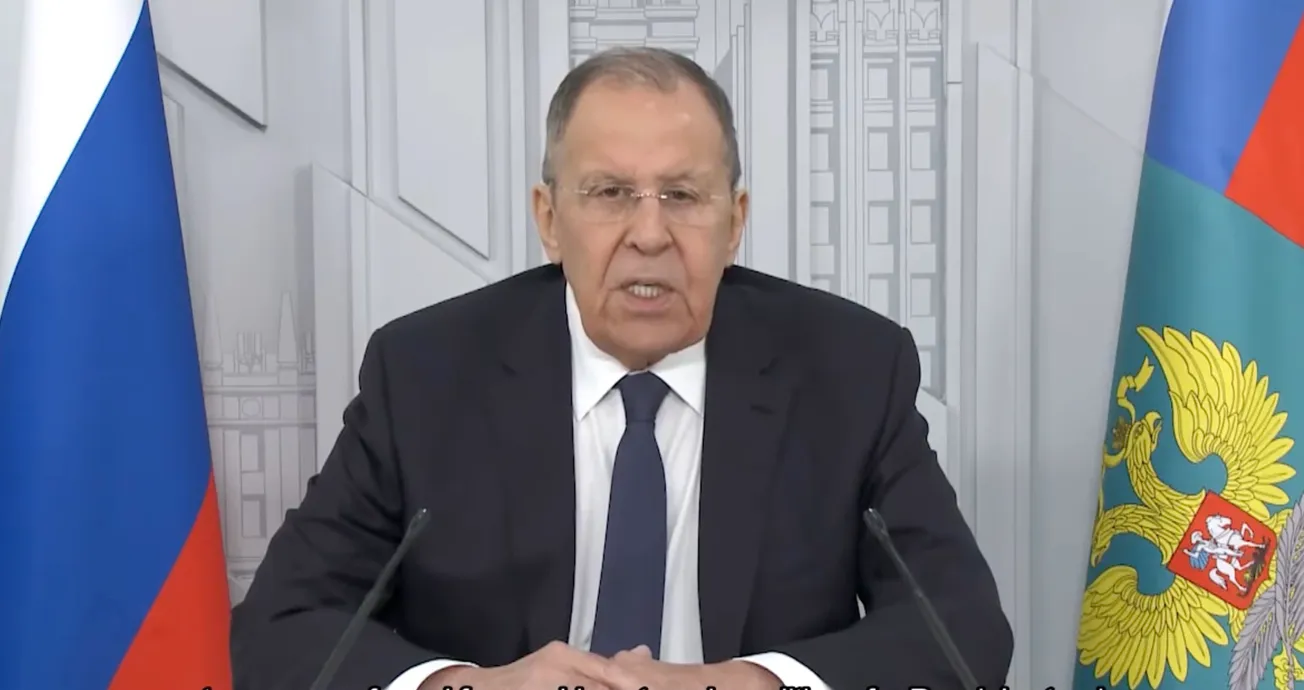
Echoing most other Western media coverage, the author played up the fact that neither Vladimir Putin nor Xi Jinping attended the BRICS summit in Rio, that Putin had to avoid the ICC warrant against him for war crimes. Instead, she lied, he delivered “a brief and rather uninspiring video address.” In the absence of these two leaders, she went on, the summit was dominated by Brazilian President Lula da Silva and Indian Prime Minister Narendra Modi, who are “the least interested in turning the grouping into an anti-Western alliance. Antagonizing the U.S. was not on the agenda.” The author also insists that there is an inherent weakness in this “increasingly diverse grouping ... the lack of a clear geopolitical identity and the limits of purely transactional multilateralism.”
Projecting Chatham House’s own imperial view, the author argues that, for all the rhetoric about inclusiveness, respect for all governance models, sovereign equality and non-intervention, the BRICS in practice “is designed to suit autocracies, built on limited commitments and self-interest and used by authoritarian powers like China and Russia to promote an alternative world order.” In fact, she says, “There are signs of a growing rift between Russia and China on one side and other members on the other regarding the future role and direction of BRICS.”
Sabanadze claims the Rio summit showed that not all members want to get involved in a global power confrontation by turning BRICS into a tool to reshape the world order. She states, rather, expanded membership has led to “increased strategic divergences,” thus making it difficult for the bloc to develop “a clear geopolitical identity.” All the lofty rhetoric about democratization of international affairs and sovereign equality “increasingly clash with the reality of dominant powers pursuing their own interests.”