
On the sidelines of the Shanghai Cooperation Organization Foreign Ministers’ Council held July 15 in Tianjin, China, there were several important meetings.
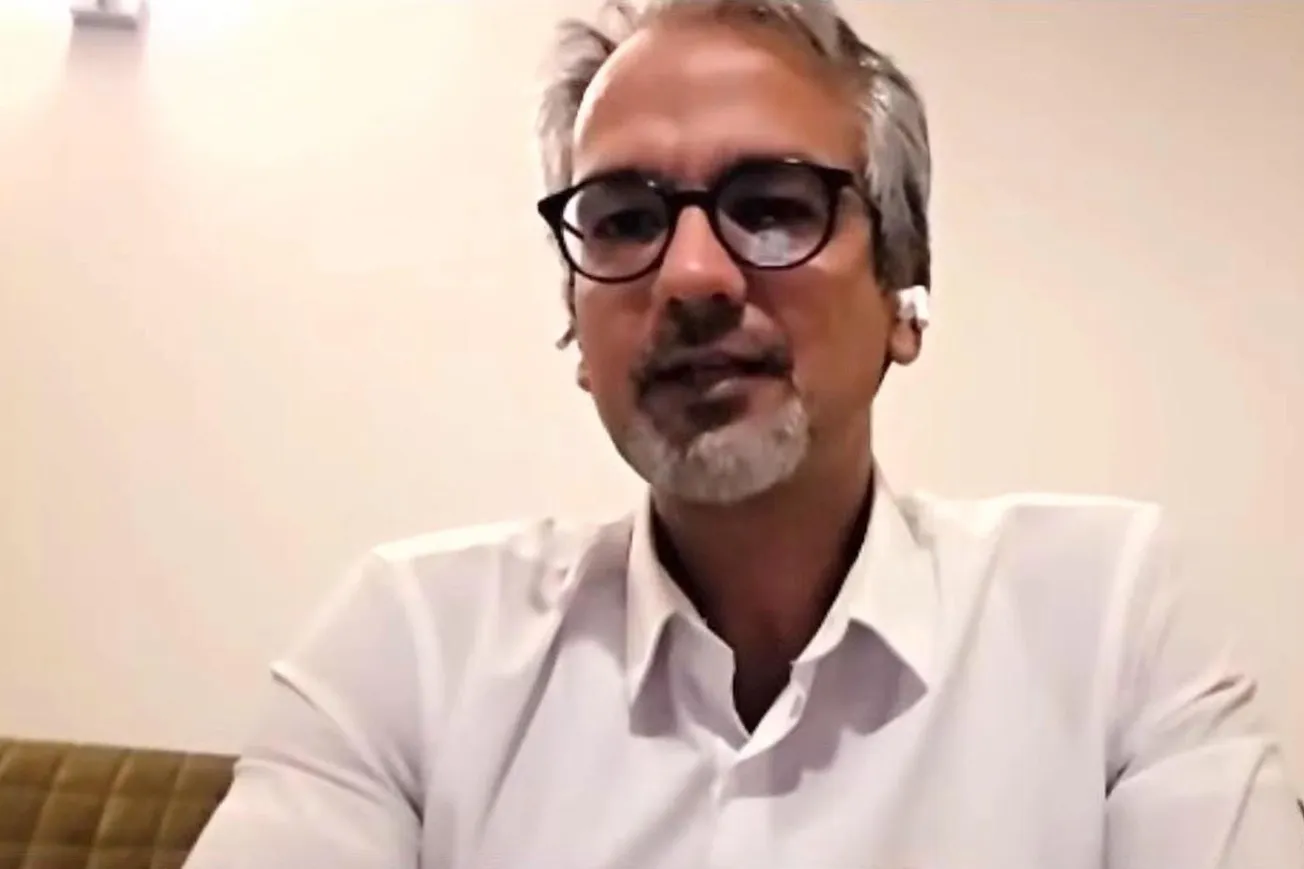
• Indian External Affairs Minister Subrahmanyam Jaishankar, in his first visit to China since the start of the military standoff between Chinese and Indian troops along the Line of Actual Control in the Himalaya Mountains in 2020, met with both Chinese President Xi Jinping and Chinese Foreign Minister Wang Yi. After his meeting with President Xi July 15 in Beijing, Jaishankar posted on his X account, “Called on President Xi Jinping this morning in Beijing along with my fellow SCO Foreign Ministers. Conveyed the greetings of President Droupadi Murmu & Prime Minister Narendra Modi. Apprised President Xi of the recent development of our bilateral ties. Value the guidance of our leaders in that regard.”
In the Wang-Jaishankar meeting, Wang said, “The relationship has its own historical logic and intrinsic driving force, and it should not target third parties or be disturbed by them. The two sides should build mutual trust instead of suspicion, pursue cooperation instead of rivalry, and support each other’s success instead of wearing each other down.” He noted that this is the 75th year of China-India diplomatic relations.
For his part, Jaishankar noted the importance of the meeting of Chinese President Xi and Indian President Modi on October 23, 2024 on the sidelines of the BRICS summit in Kazan, Russia. The July 16 Global Times reported, “Jaishankar said that the meeting between the two leaders in Kazan provided important guidance for China-India relations, and exchanges and cooperation in various fields are moving towards normalization. He expressed gratitude to China for facilitating the return of Indian pilgrims to sacred sites in Xizang.” Jaishankar noted, the Global Times reported, that India and China are development partners rather than competitors. India is willing to view its relationship with China from a long-term perspective to focus on common interests, deepen mutually beneficial cooperation, enhance cultural exchanges, and jointly maintain peace and stability in the border areas.