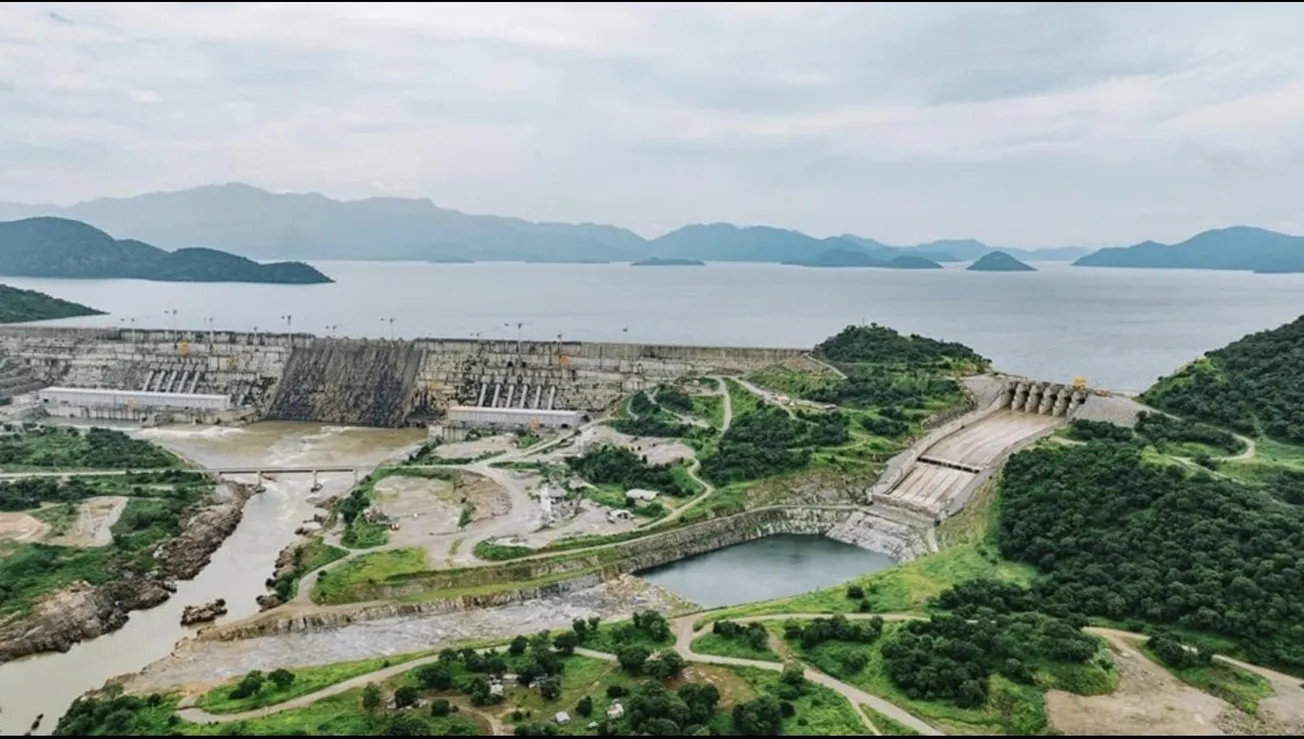
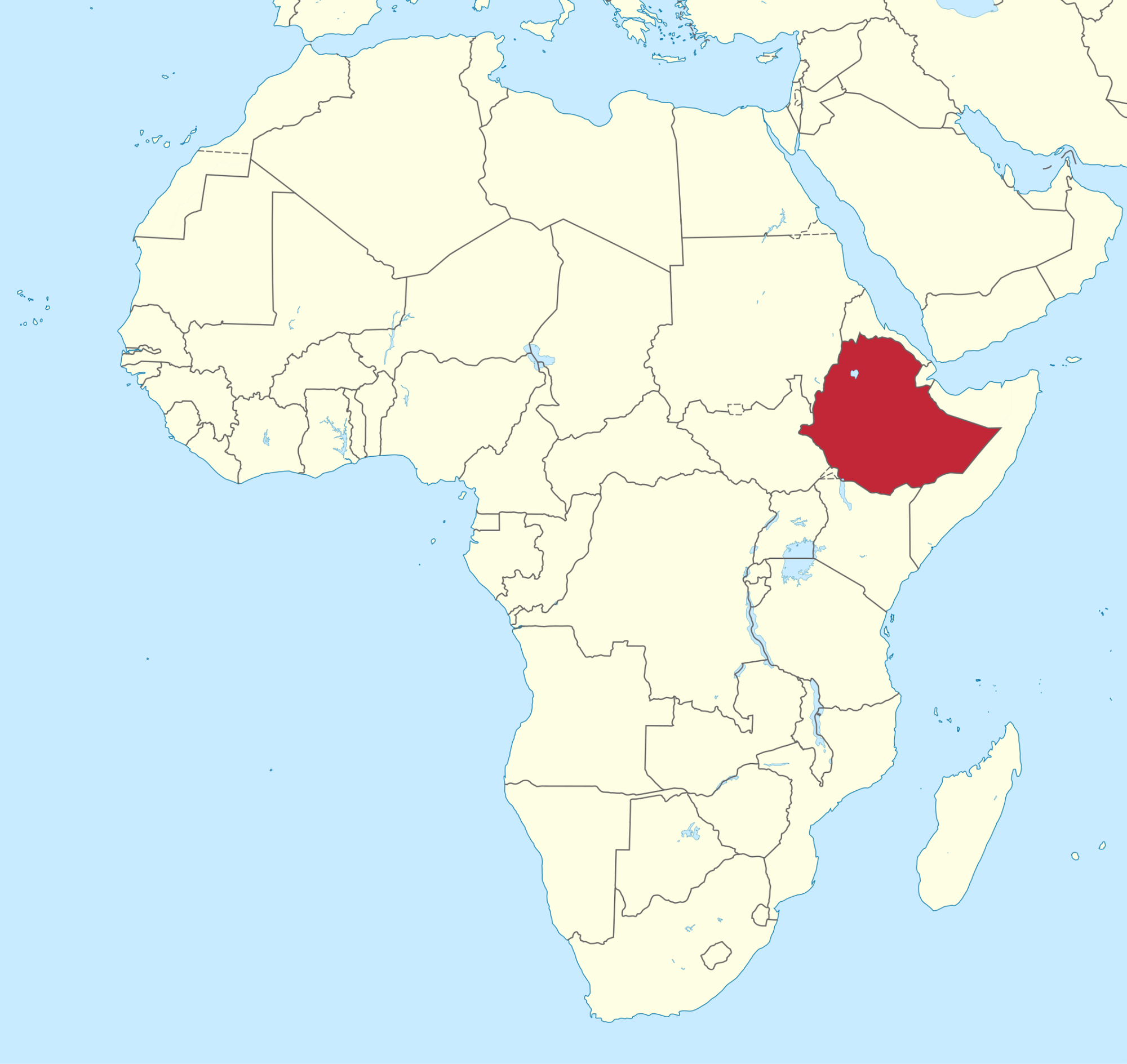
Last April, a major event that will change the face of East Africa went unnoticed by European public opinion: the near completion of the Grand Ethiopian Renaissance Dam (GERD), the largest hydropower infrastructure in Africa. Specifics were given in an April 12 federal government economic review session in Ethiopia's capital, Addis Ababa, opened by Prime Minister Abiy Ahmed, reporting that the project was 98.66% complete, with six power units already operational, and the reservoir at capacity. An official inauguration was targeted for September.
The GERD will provide access to electricity to all Africans in Ethiopia and neighboring countries, and is also an example of how Europe and China can successfully cooperate in large development projects in Africa. The GERD, built by Italian, French, and Chinese companies, demonstrates that the “win-win” approach is not only possible, but can be a model to extend to other, transformative projects on the African continent, as the Schiller Institute proposed in a study presented at its international conference in Berlin July 12-13.
The European lack of attention to this project is inexplicable in view of its impact in ameliorating the number-one issue in politics these days: famine and poverty-driven, illegal immigration from Africa.
There was weak resonance with the achievements of GERD even in Italy, despite the fact that an Italian company has built the dam, and that the government has launched a so-called “Mattei Plan” to help create jobs in Africa. In October 2022, Prime Minister Giorgia Meloni announced it as a new model of cooperation between Italy, African nations, and the European Union, in the spirit of Enrico Mattei (1906-1962), the famous Italian infrastructure developer.
It is hoped that the official inauguration and commissioning of the GERD, which may be held September 9, will draw more attention.