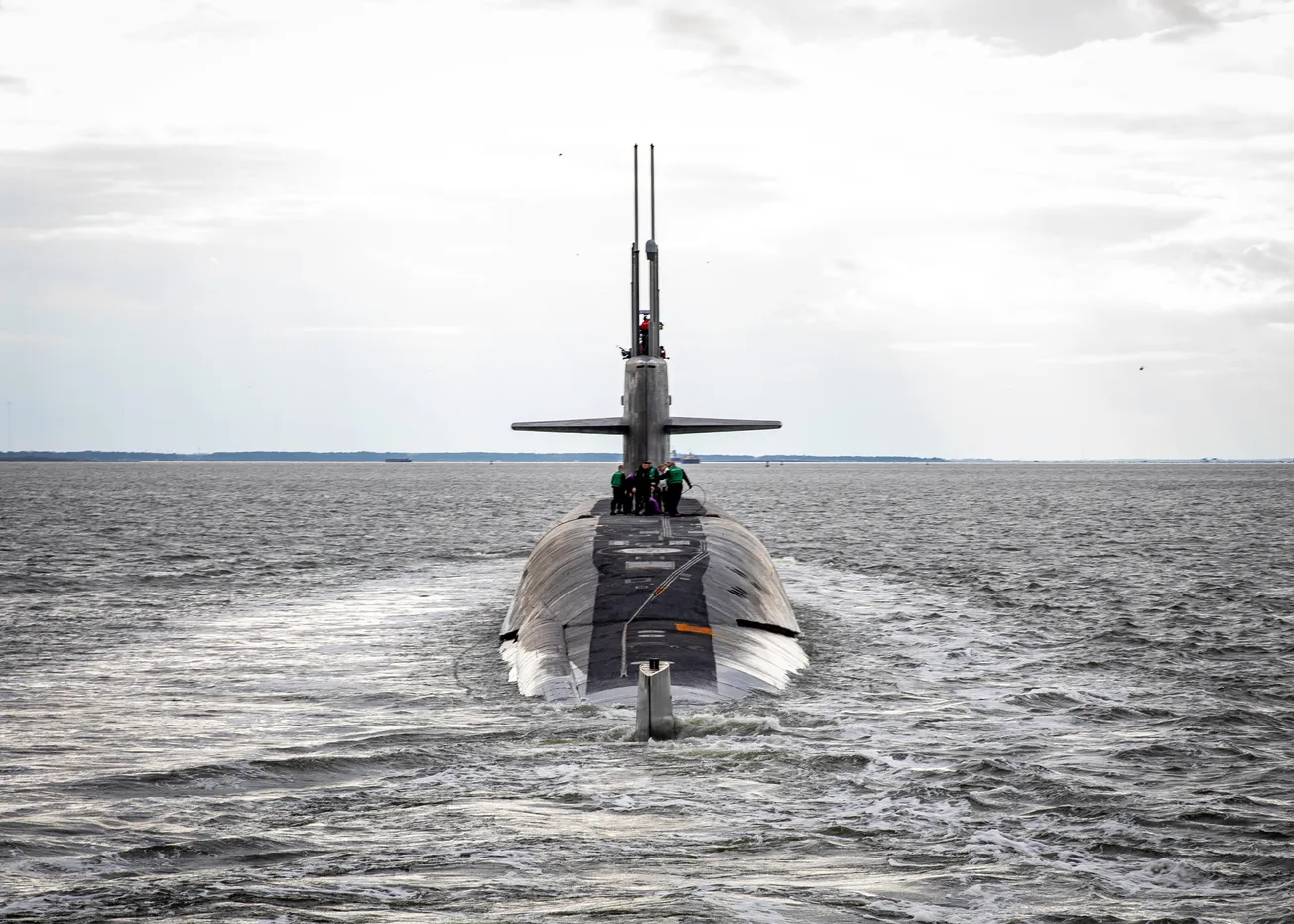
President Donald Trump’s bizarre announcement that he is sending two nuclear submarines closer to Russia—an announcement that may have direct military implications that are, at most, minor—nonetheless represents dangerous instability in the realm of discourse.
The greatest, most immediate threat facing humanity as a whole, is the danger of a civilization-ending nuclear confrontation between the United States and Russia.
How can the conflict in Ukraine end? To achieve a negotiated peace would mean accepting Russian demands for Ukraine’s neutrality and demilitarization (of offensive weapons), and the recognition of the regions that have joined the Russian Federation. Can this be accepted by the current regime in Kiev? In London? In Brussels?
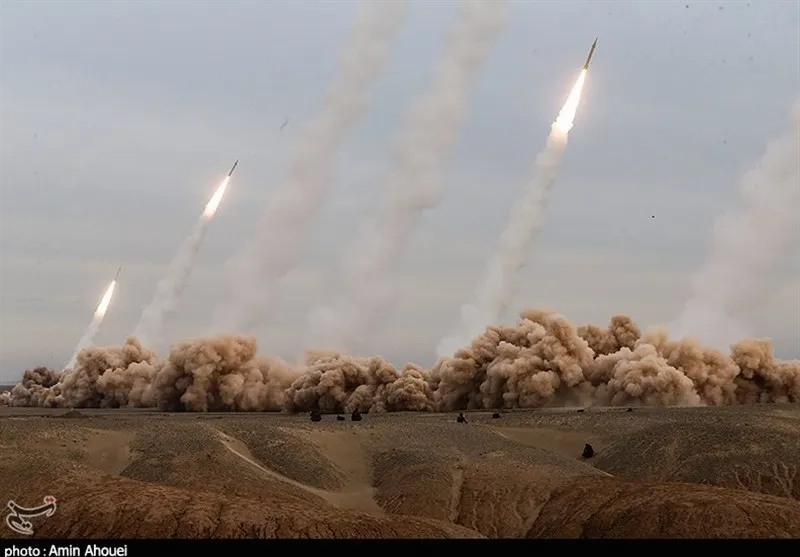
While Ukraine is undergoing a continuing defeat and depletion of its resources and its people, especially its men, there are those crazy enough to seek to supply Ukraine with weapons capable of striking deeply within Russia, causing great damage.
Russia has stated repeatedly that the use of such weapons, which require the cooperation and logistics of NATO countries, can be considered an attack on Russia by NATO itself.
If we enter that world, all bets are off.
This is where the Russiagate declassifications and revelations come in. While a growing portion of the population has come to realize (or, like the LaRouche movement, knew from the beginning) that the whole Russia-got-Trump-elected claim is nonsense, the details in the releases are so conclusive and devastating, that they offer an opportunity, if publicized, to completely shift the nature of political discussion in the U.S.
The facts are clear: the Obama administration and the Hillary Clinton campaign collaborated with British and other Commonwealth intelligence to drum up a preposterous story that the only way Trump could have beat the unelectable Hillary Clinton was via a Russian plot. The goal was not only to undermine the Trump presidency—it was to prevent rapprochement with Russia.
With this fraud being swept away, the question beckons: In a new political geometry, what will fill the void? What will be the new policy?
Change is in the air, with respect to Israel’s slaughter and starvation of the Palestinians. Even EU foreign affairs chief Josep Borrell says that the EU is legally obligated to sanction Israel. Slovenia has become the first European country to ban arms sales to Israel. Polling results in the U.S. show absolutely overwhelming support by young Americans for the Palestinians.
Change is in the air, with respect to the possibilities of Global South cooperation, as seen in the call by a Paraguayan legislator to launch a national debate on recognizing Beijing rather than Taipei and joining in the development potential that would unlock.
A new security and development architecture that offers the prospect of collaborative development in achieving a global infrastructure and economic renaissance, is the path forward.