
President Trump’s approach to diplomacy has shocked the world. Just in the last several days, he has levied new, grave threats against Russia, Brazil, and now India—among others—in an apparently flailing attempt to squeeze a modicum of “success” out of his recent policy initiatives. While some will undoubtedly buckle to this kind of imperious pressure, as with the embarrassing case last week of EU Commission President Ursula von der Leyen and the EU, an increasing majority in the world are resisting, including nuclear powers such as Russia and China. Threats and bullying of this sort can never win the peace, and at best, will only postpone conflicts into the future; but Trump’s most recent remarks with regard to Russia are unhinged enough to bring the world back to the brink of nuclear war.
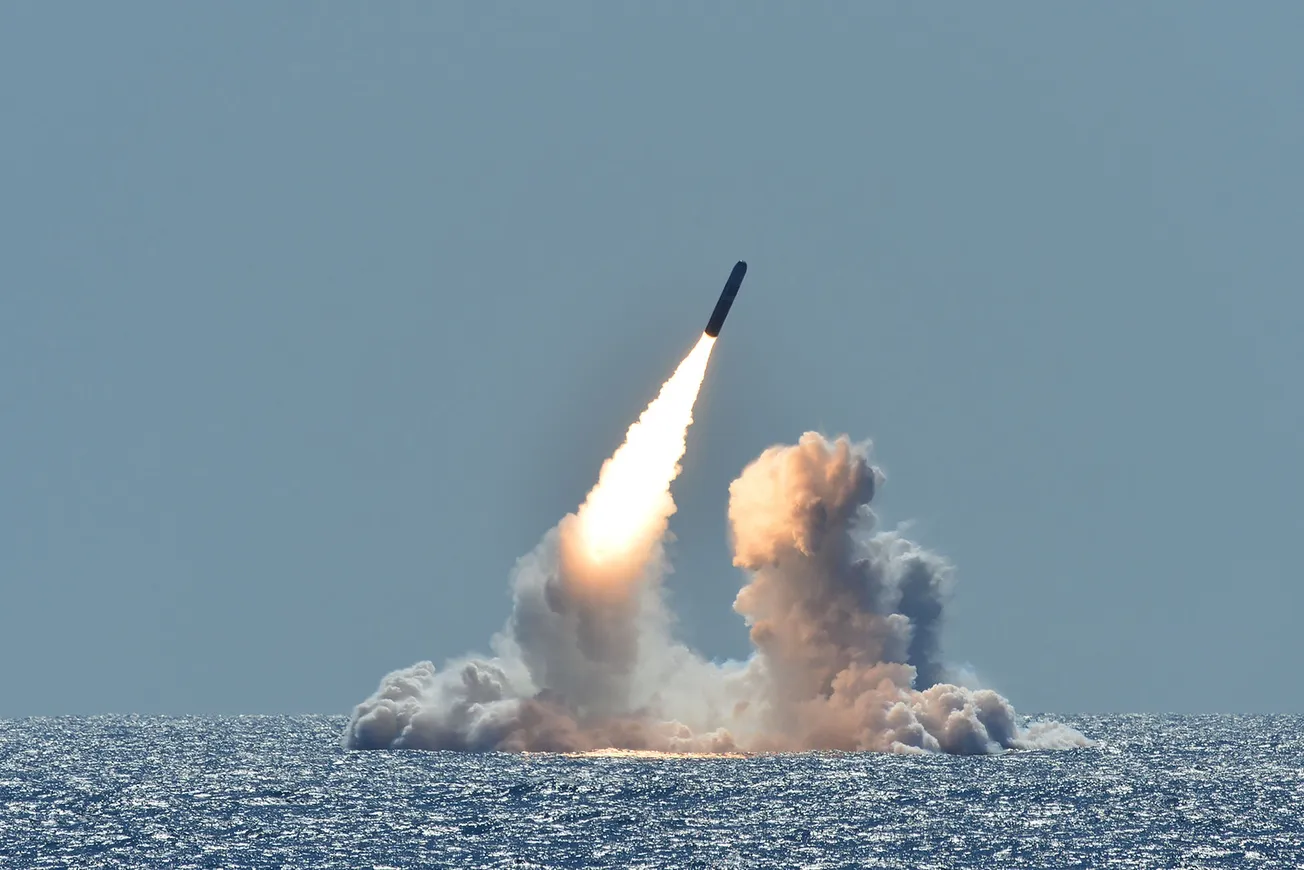
Speaking on George Galloway’s MOATS show on Aug. 3, former UN weapons inspector Scott Ritter noted that, when Trump mentioned he would be deploying two Ohio-class nuclear submarines “in the appropriate regions” in response to a tweet from Deputy Chairman of Russia’s Security Council Dmitry Medvedev, it can’t be ruled out that he’s preparing for a preemptive “decapitation” strike on Russia. Whether or not Trump intends this, Russia will absolutely have to take it into consideration as a real possibility. Even more so following the U.S.’ surprise attack on Iran’s nuclear sites, launched despite the fact that the U.S. was actively conducting peace talks with the Iranian government, and that Trump has now been whittling down the days to a supposed deadline for Russia to “make a deal” on Ukraine.
Ritter also claimed that it was an identical circumstance in the 1980s—with the deployment of medium-range Pershing II missiles to Germany, and American nuclear submarines stationed close enough to Russia to launch a lower-trajectory strike—that was the impetus for Russia to develop its “dead-hand” system in the case of an attempted decapitation attack. Trump is now recreating this situation again today.
However, it must be stated that, despite Trump’s erratic and naïve behavior, he is not the architect of this policy, but merely the fool implementing it. One must look to the likes of the U.K.’s Malcolm Chalmers, the former Deputy Director of the Royal United Services Institute (RUSI), and now Strategic Advisor to the Defense Secretary, who argued earlier this year that the U.K. should launch a tactical nuclear warhead on a Russian military base as a “demonstration strike” from a forward-deployed nuclear submarine. These types of British imperial actors are keen on creating the kind of environment that would pull Trump into their desired war with Russia, China, and the BRICS more generally, despite his earlier good intentions. If we are to steer this administration off its present course toward confrontation with a large part of the world, we must set our sights on the real enemy behind the proverbial curtain.
From this vantage point, the latest declassification by Sen. Chuck Grassley of one of the annexes of the report from Special Counsel John Durham is extremely significant. The new document reveals yet further details of the determination by those principal actors behind the fabrication of Russiagate to start a confrontation with Russia, even despite the “lack of direct evidence.” Shedding the personal passions and prejudices surrounding Trump, and identifying the actual intention on the part of those trying to control his administration, is the only way we can pull the world back from the brink of war and pave the way to a new security and development architecture that establishes a new basis for peaceful relations among the world’s community of nations.