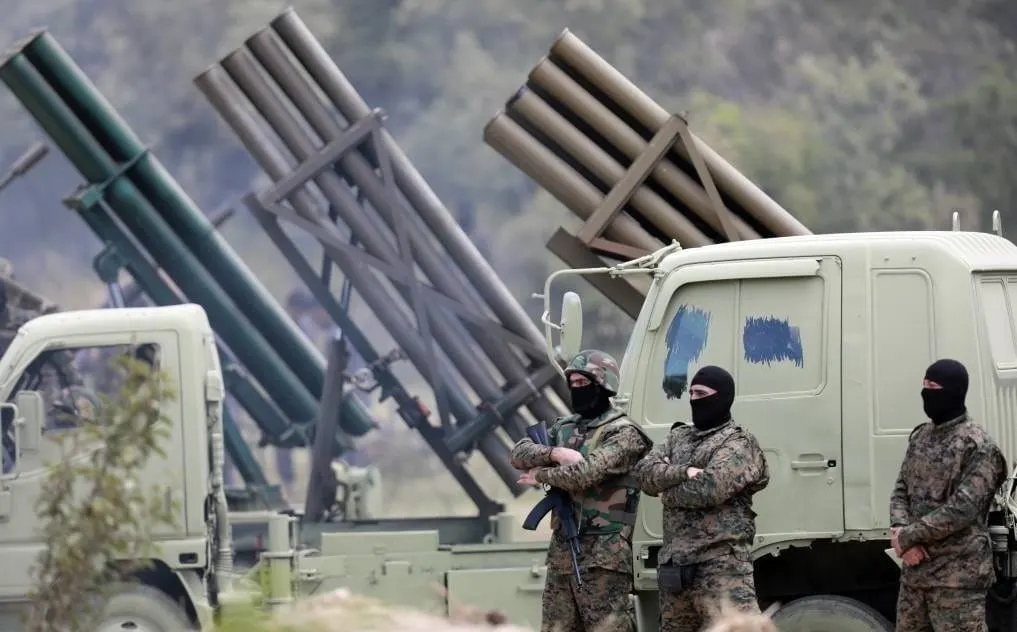
The Lebanese cabinet met yesterday to receive the Lebanese army’s plan to disarm Hezbollah. The army will start implementing the terms of the deal, but may have limited capabilities, according to Lebanon’s Information Minister Paul Morcos, CNN reported. The government did not provide a timeline for the plan to take effect, but Prime Minister Nawaf Salam said the army’s leadership will submit a monthly report to the cabinet on its progress.
U.S. and Lebanese officials have offered few details about how they envision convincing Hezbollah to voluntarily disarm. A senior Lebanese official warned that continued Israeli strikes on Lebanon are hindering government efforts to disarm the group. “So long as Israel maintains military positions inside Lebanese territory and bombs the entire border area until all homes, fields, crops and any form of life are destroyed, Hezbollah will continue to say that their weapons are to defend themselves and the country,” the official said. “It’s important for them (Israel) to get out of here.”
Five ministers, two each from Hezbollah and Amal and an independent, walked out of the meeting and later left the Baabda Presidential Palace, to protest the presentation of the army plan.
The Intercept attributed the political crisis around the disarmament of Hezbollah to the Trump Administration, reporting that although the Lebanese government announced the disarmament plan, the effort is an unashamed American initiative, with the Arab press openly describing it as the “American paper.” Hezbollah has so far adamantly refused to disarm, proclaiming that the group would fight any such effort without a comprehensive plan for the national military to confront Israeli aggression.
U.S. envoy Tom Barrack, officially the U.S. Ambassador to Türkiye, but in fact the Trump administration’s point man for policy in the region, has asked that Lebanon’s Army become a “peacekeeping force, not a military offensive force.” He wants Lebanon to hold direct talks with Israel, calling their lack of contact “insanity.” Barrack’s lack of candor has shocked many, for instance, calling Lebanese journalists “animalistic” and saying they are “what’s wrong with the region,” after they had hounded him with questions at a press conference.
Barrack and his assistant, U.S. Deputy Special Presidential Envoy to the Middle East Morgan Ortagus, have made clear that the plan to disarm Hezbollah is an American initiative. On an August trip to Beirut, Ortagus said: “We are the people who are going to disarm Hezbollah. We are the people who are going to return Lebanon to being a sovereign, independent state.”