Instead of sulking as it resentfully watches, as an outsider, the creation of a new world economic order, the West would do better to recognize its own self-interest and collaborate on the shared development of the new institutions and new projects the world needs.
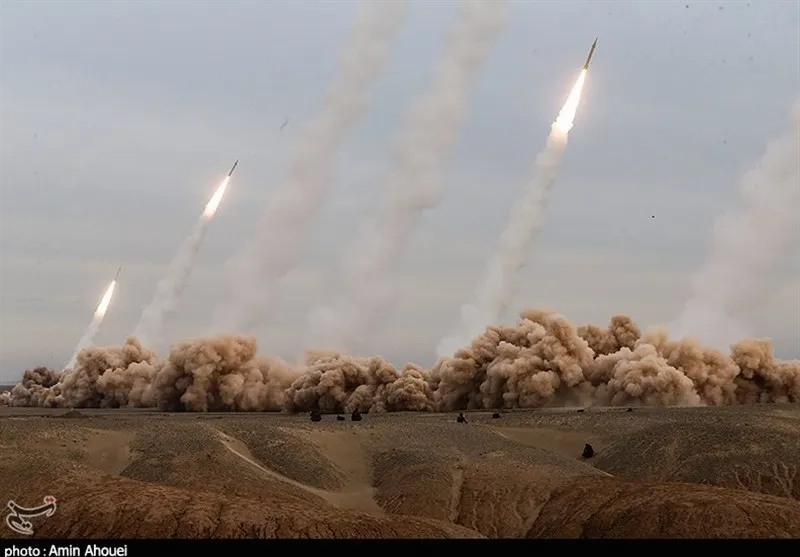
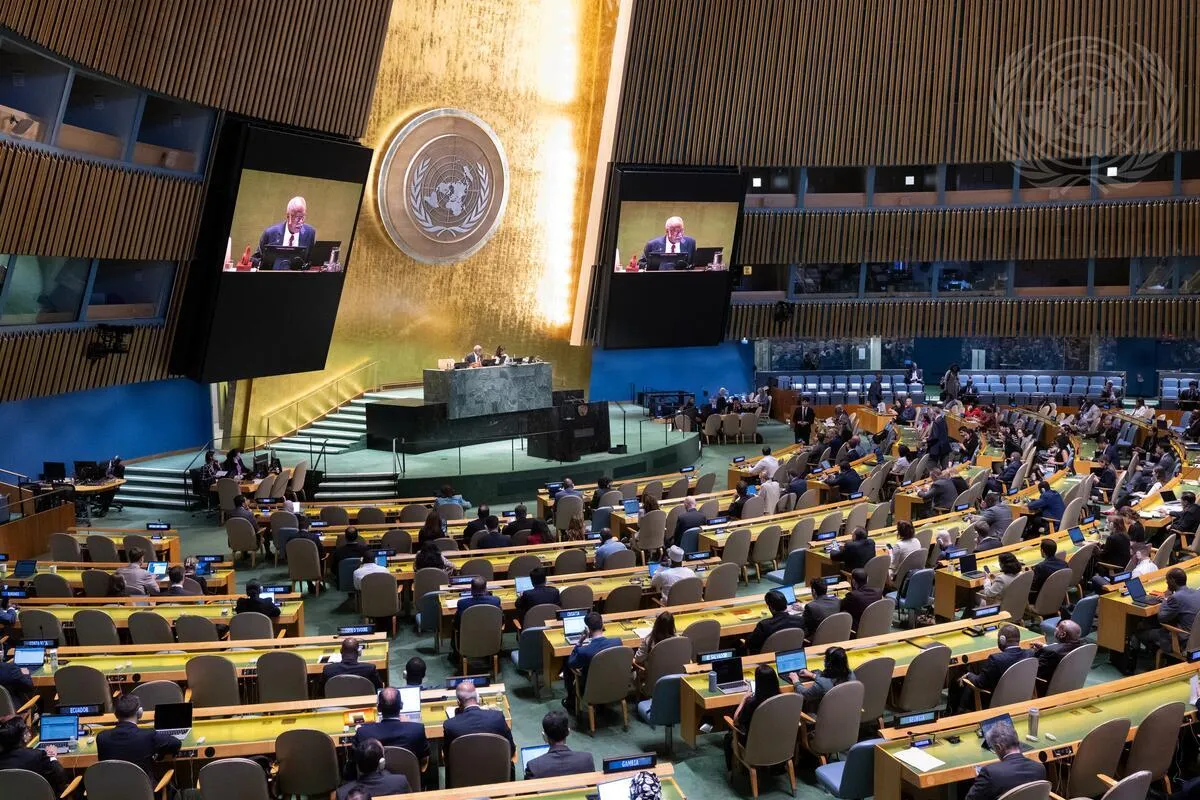
The insistence by Anglo-American NATO on getting its way is running against the brick wall of reality. Ukraine is not winning on the battlefield. The military parade at China’s celebration of the 80th anniversary of the end of World War II was a shock to many of those accustomed to think of American military superiority. Tariffs and threats of tariffs are proving insufficient to compel the obedience Trump seeks, while making it more chaotic to conduct business with or in the United States. Global sentiment, youth sentiment, general sentiment—are all shifting away from support for Israel as it conducts its extermination campaign against the Palestinians. The United Nations General Assembly is soon to open. What new countries will call for Palestinian statehood this month?
To fight against this trend would be both futile and immoral.
The world has reached a turning point, says Schiller Institute founder Helga Zepp-LaRouche: “We can either continue the geopolitical confrontation against Russia and China, risking a third—and this time final—world war, or we can choose to cooperate with this emerging new economic system.”
Zepp-LaRouche’s call continues: “It is in the fundamental self-interest of the nations of the Collective West—no longer truly united—to cooperate with the states of the Global Majority and to jointly address the great challenges facing humankind: overcoming poverty and underdevelopment, ensuring lasting world peace, and securing the right of every person on this planet to fulfill their potential.”
Her call has garnered support in Mexico, where the Mexico Journalists Club has republished it and whose secretary general has supported it.
And a commentator from the Hong Kong–based South China Morning Post has a similar view. He calls on the West to “match the statesmanship that Xi and others are displaying, via the SCO and the BRICS group … to bolster and improve upon the existing architecture of multilateral institutions.” The West’s reluctance comes from “resentment that Global South powers, especially China, are now leading infrastructure and monetary initiatives.” The unipolar world of the past cannot be maintained; it is already over. Instead of resisting the shift to a more plural framework, the West should join in creating something new, or we will have a splintered world economy: “The international monetary system needs to be consciously redesigned rather than being allowed (as at present) to evolve haphazardly through competing regional initiatives.”
This were a far better course than the madness currently being displayed in the West. The United States—in violation of the 1947 Headquarters Agreement—is denying visas to Palestinian diplomats, preventing their attendance at the UN General Assembly. Will its proceedings have to be moved to Geneva, as they were in 1988 when Yasser Arafat was denied a visa?
In a display of foolishness, U.S. border authorities have stormed the construction site of a Hyundai plant in Georgia, arresting over 400 people, of whom more than 300 are South Koreans. Slated to open next year, the Hyundai LG battery plant would have employed thousands. Just last month, Trump worked out a deal for hundreds of billions of dollars of investment from South Korea into the United States, a significant portion of which would be projects like this one! Trump campaigned on deporting rapists and murderers, yet one of ICE’s biggest operations has been to arrest hundreds of people building a factory that would employ local people for years to come.
From the standpoint of the vision just displayed in Tianjin and Beijing, the world faces a one-time opportunity to determine the fundamental parameters of the next generations. The fall of the Berlin Wall in 1989 presented such an opportunity. But it was squandered.
We must not miss the current opportunity.
We may not have another.