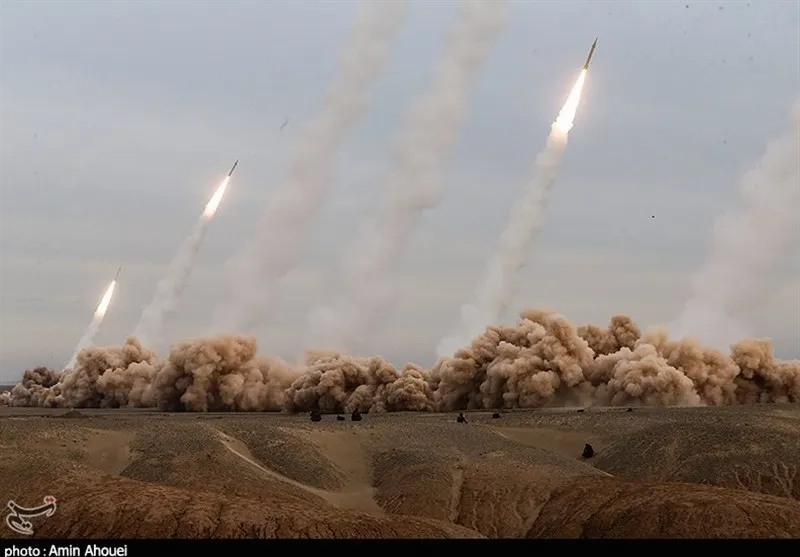
As world leaders take the UNGA stage, a cross-regional bloc calling itself the Hague Group—Colombia, South Africa, Bolivia, Cuba, Honduras, Malaysia, Namibia, and Senegal—say they’re done with platitudes. They plan to use this week’s speeches to unveil national policies already moving into force—ending arms sales, shutting ports to Israeli vessels, reviewing state contracts, and pursuing accountability for grave crimes—then gather in New York on Friday, September 26, to present “collective and coordinated measures” that raise the diplomatic temperature further. Will this coalition of Global South countries succeed in catalyzing a broader shift, translating expressed commitments into enforceable pressure?
One development in the United States shows the impact of sustained pressure: Microsoft has ended the IDF’s Unit 8200 access to certain cloud computing, storage, and AI services after confirming the unit used the platform to run a mass-surveillance system gobbling up Palestinian communications—activity Microsoft says violates its terms of service. The decision follows joint investigations detailing how vast troves of intercepted calls were stored in a Microsoft data center in the Netherlands; Unit 8200 is now reported to be migrating data to other providers.
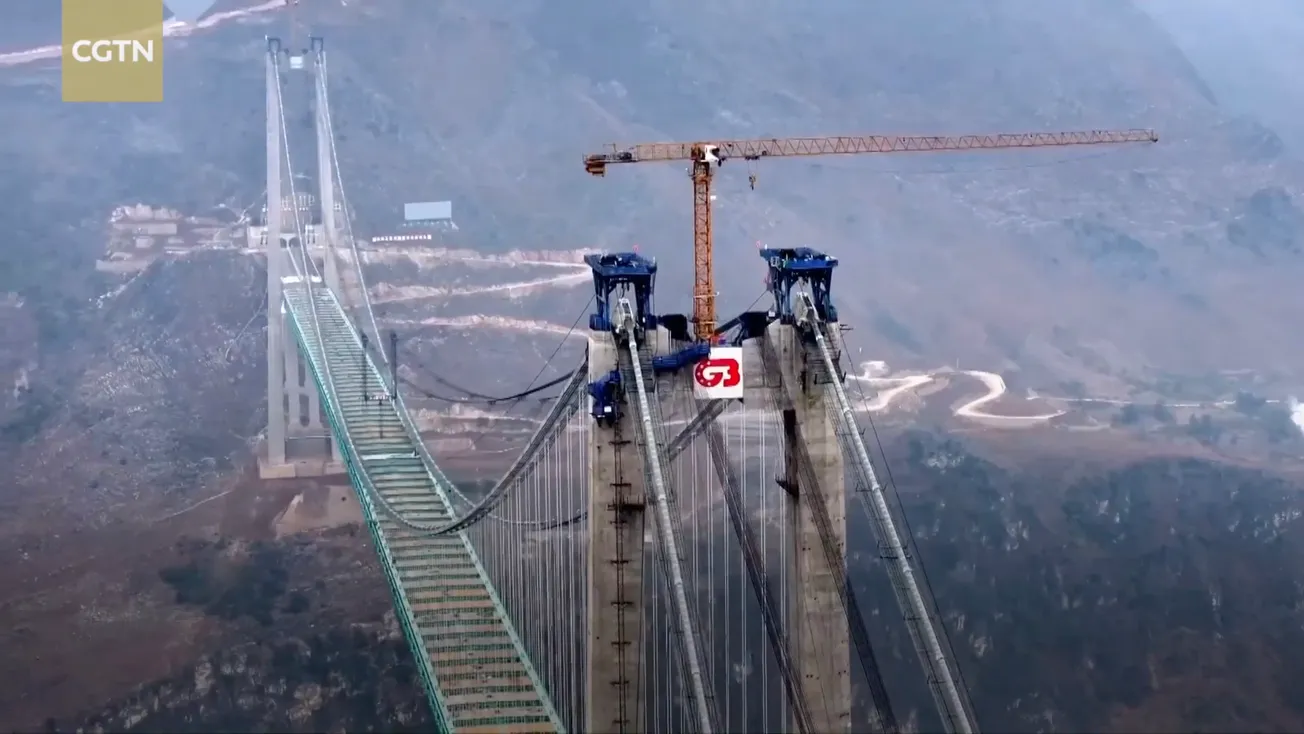
Meanwhile, China is opening the world’s tallest bridge and launching an Arctic “Ice Silk Road,” redrawing the maps of global trade. Russia expresses an intent to build improved plasma engines for space transport and develop a closed nuclear fuel cycle, promising to eliminate waste and extend uranium supplies into the next century.
Across Europe, the stakes are climbing as mysterious drone incursions close airports, hover above military bases, and spark talk of invoking NATO’s Article 4. Danish ministers call it a hybrid attack, many officials blame Moscow, and yet no definitive proof ties the drones to Russia, raising the possibility that these provocations are staged, misattributed, or simply misunderstood. But in the fraught world of today, even a handful of unknown drones could tip the scene into escalation. The danger is not the drones themselves, but what they allow governments to claim, justify, or retaliate against. The risk of escalation underscores why dialogue with Moscow is urgent.
Ending the confrontation with Russia requires a shift from zero-sum brinkmanship to negotiated coexistence that takes Moscow’s security interests into account. Rather than pushing Europe onto a war footing, Washington could acknowledge Russia’s longstanding concerns over NATO expansion and missile deployments, and enter into a framework, not simply of mutual restraint and respect, but of mutual collaboration. Shared priorities can include energy stability, Arctic navigation, space exploration, and technology transfer to developing regions.
A resumed Tenth Emergency Special Session (ESS) of the General Assembly, which was created under “Uniting for Peace,” could call for a united world approach to pressuring Israel, in the way pressure was brought to bear on apartheid in South Africa. When it last met, in June, the ESS made demands on Israel. This time, it should press all nations to take such concrete measures as arms embargos, port and airspace closures, an end to export of dual-use technologies, severing contractual and technological connections with Israeli firms, and divesting from Israeli companies and bonds.
The question is whether governments will act, or whether this moment will remain in a cycle of combined outrage and inertia.
The UN must call to reconvene its Tenth Emergency Special Session, on Israel and Palestine.
Or, a major change must come to the U.S.
What can you, dear reader, do to catalyze such outcomes?