The Lead
End the 'Limbo of Nuclear Diplomacy' with Development Diplomacy
by Marcia Merry Baker (EIRNS) — Oct. 23, 2025
Being in “a state of limbo” implies, apart from the religious meaning, being in a state of irresolution or transition. In the context of the present situation regarding nuclear weapons of the superpowers of the United States and Russia, this is an extremely dangerous situation. Nor can it long persist in this realm of indecision. That was the point gravely addressed yesterday by Sergei Ryabkov, Deputy Foreign Minister of Russia, at an event of informed experts. He said that nuclear policy and diplomacy are in a dangerous limbo.
Among the dangers in this situation persisting is that the increase in hostility against Russia from the West—the United States, Europe, NATO—risks the danger of breakout of nuclear holocaust. Recent days have been marked by hostility in the extreme. Today, Oct. 23, the 27 EU nations endorsed the 19th package of sanctions against Russia. On Oct. 22, Washington announced sanctions on two major Russian oil companies, Rosneft and Lukoil. London had done the same a week before.
Meantime, to the direct point on nuclear weapons control made by Russian President Vladimir Putin on Sept. 22, that Russia is prepared to respect for a year the core points of the New START treaty (upon its expiration in February 2026), if the United States responds favorably, there is no apparent, serious U.S. reply. Asked about it on Oct. 22 at the White House, U.S. President Donald Trump said offhandedly that Putin’s offer is “appropriate.”
On Oct. 22 Ryabkov reiterated that the Putin initiative “stipulates that after the treaty expires in February 2026, both parties could continue to adhere to its central limits for at least a year. The move is aimed at preventing a strategic arms race, maintaining an acceptable level of predictability and restraint in this field, and promoting the objectives of the Nuclear Non-Proliferation Treaty. However, it will only be possible to ensure the viability of the Russian initiatives if the U.S. shows reciprocity and refrains from steps undermining the existing balance of deterrence capabilities.”
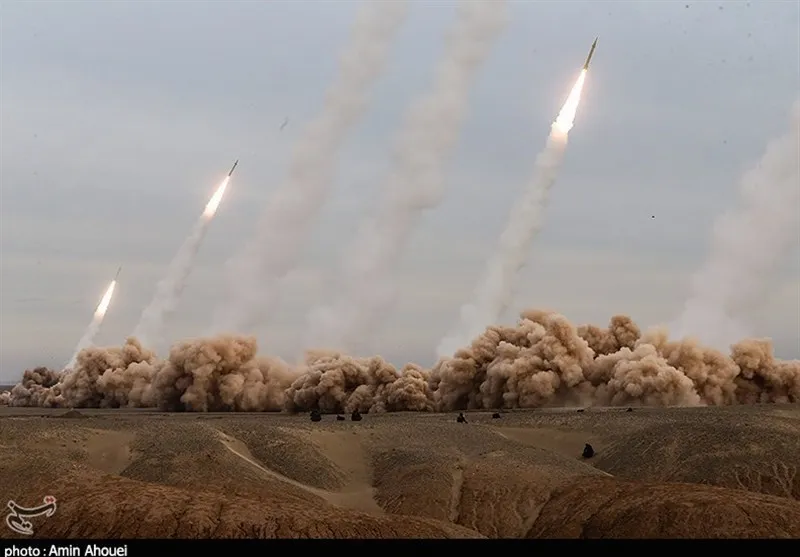
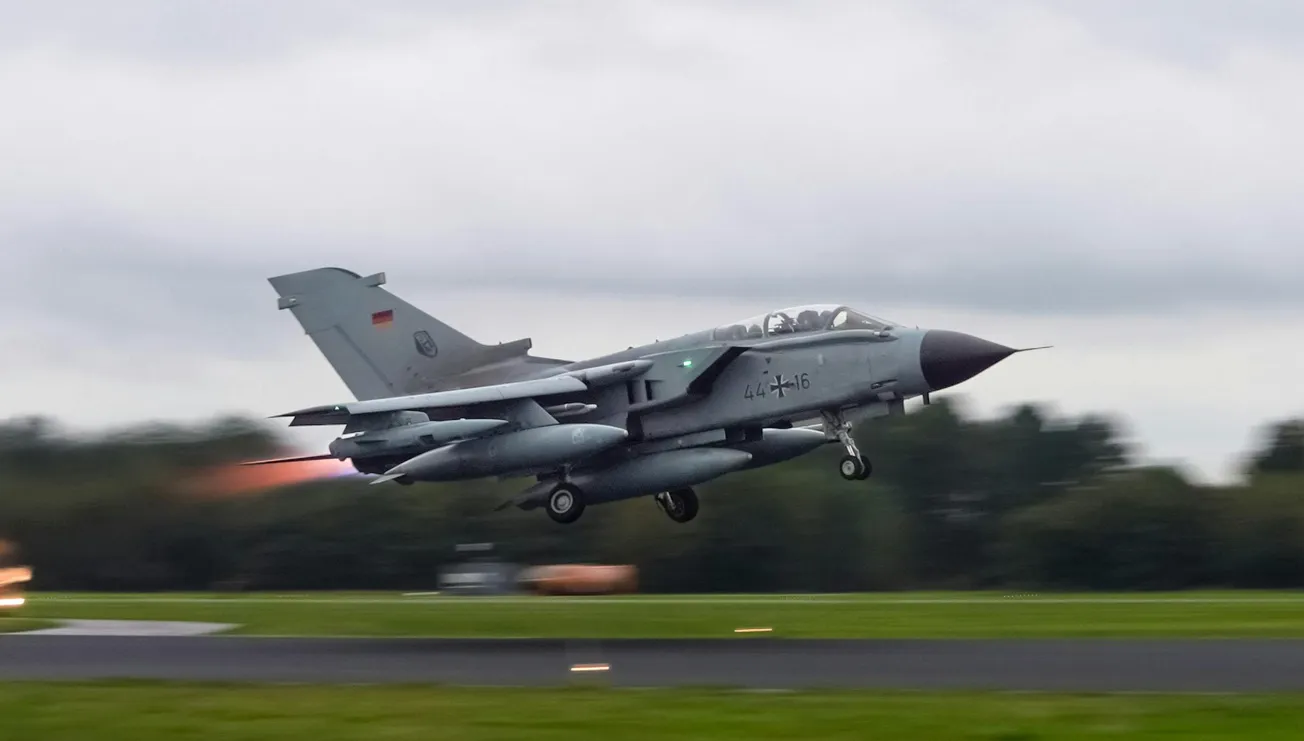
This week were three sets of military exercises involving simulations and drills for nuclear weapons by the United States, Russia, and NATO. In the United States on Oct. 21, the annual Global Thunder 26 exercise was kicked off, under the USStratCom, engaging “warfighters across the nuclear enterprise.” On Oct. 24, the NATO Steadfast Noon exercise ends, after running since Oct. 13, based this year in The Netherlands, testing capacities affecting nuclear readiness, though not publicly specified. In Russia, the annual Grom (Thunder) exercises took place on Oct. 22, testing many components, including a Yars intercontinental ballistic missile, landing in Kamchatka, and submarine launches. President Putin attended personally.
Despite the obvious dangers, intervention by diplomacy of reason and mutual interest—namely economic development—can override even the extreme threats. That is the import of the Oct. 22 extraordinary emergency forum hosted by Executive Intelligence Review, “The Bering Strait Tunnel Project Can Open a New Era of Peace Through Development.”
One speaker at EIR’s Oct. 22 event, Scott Spencer, Chief Project Advisor of the InterContinental Railway, said in an interview (done in September and out today in EIR) that he wants the Bering Strait Tunnel, and InterContinental Railway to be “a monument to peace.” “I think we have to start having a conversation … on a more official, global scale, so that world leaders will actively work to find a way to eliminate nuclear weapons. Because I’ve not heard it discussed much, but there’s been a number of close calls since nuclear weapons have been around that we came so close,” he said.
The Friday, Oct. 23 weekly International Peace Coalition will feature a report by international weapons expert Ted Postol on the nuclear weapons danger and what citizens are called upon to do.
Russian President Putin himself replied Oct. 23 directly to the question about what steps he sees ahead with President Donald Trump and the United States. Among other points, Putin said, when asked about President Trump’s Oct. 22 comments on an upcoming meeting with Putin: “I have read the statement—that the U.S. President decided to cancel or rather to postpone this meeting. What can I say? Dialogue is always better than confrontation, disputes, or, even more so, war. Therefore, we have always supported dialogue, and we continue to do so.”
It is up to citizens internationally to make real “the spirit of Alaska” in August after the promising meeting of the leaders of Russia and the United States. A former Governor of Alaska, long a promoter of Arctic development and international cooperation, was known for urging to “build mega projects, not war.” In an interview in 2006, he told the Los Angeles Times, “Big projects define a civilization. My question has always been: Why war—why not big projects? Big projects can keep countries from going to war with each other.”
Contents
Strategic War Danger
- Russian Diplomat Says U.S. Must Reciprocate Putin's New START Offer (↓)
- U.S., Russian, NATO Nuclear Exercises Underscore Risk of Nuclear War (↓)
- The EU Council Today Passed the 19th Sanctions Package against Russia (↓)
New World Paradigm
- Putin Responds on Putin-Trump Meeting Confusion, Other Topics (↓)
- Thousands March in Budapest for End to War in Ukraine, Support of Orbán (↓)
U.S. and Canada
- Senate Committee OKs New Bills To Pressure Russia (↓)
- U.S. Sinks Alleged Narco-Trafficking Boats in the Pacific (↓)
Collapsing Imperial System
Science and Technology
Harley Schlanger Update
Watch The Daily Update with Harley Schlanger, a short video update available every weekday morning from The LaRouche Organization.