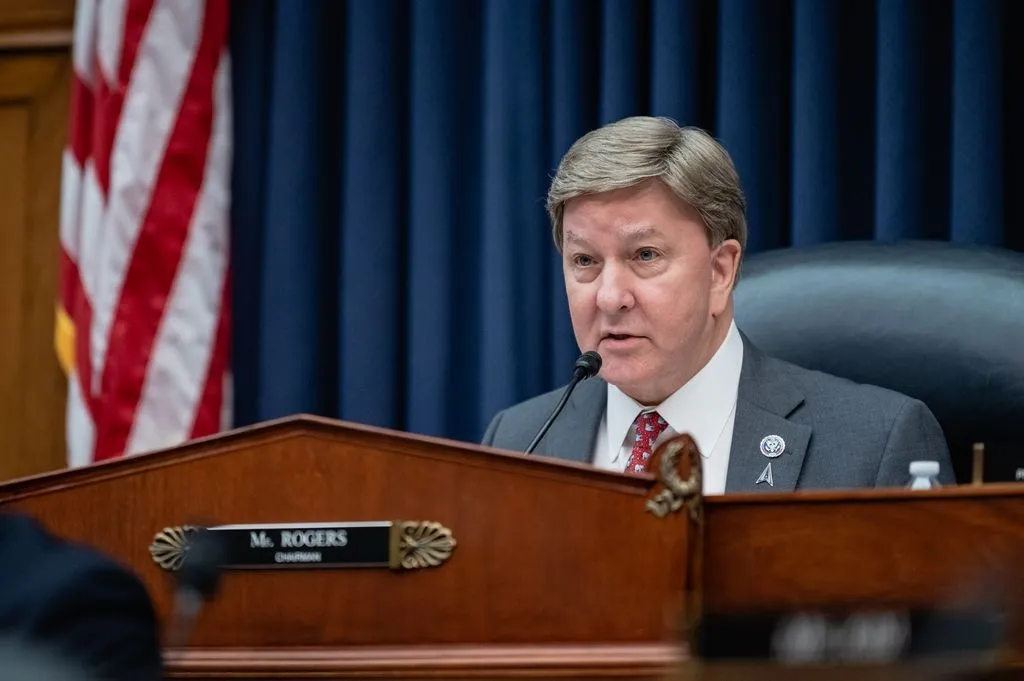
CDU security expert Roderich Kiesewetter is pushing for introducing in Germany the so-called “Spannungsfall” (State of Tension), a pre-stage of a State of Emergency, supposedly because of the “Russian drone” scare.
Merkel’s former security advisor Brig. Gen. Erich Vad warned against such a dangerous course, suggesting that if it is decided by NATO, Germany is forced to implement it without a two-thirds parliamentary majority that is otherwise needed. Previously, business daily Handelsblatt economic editor Norbert Häring had exposed the drive for a NATO-ordered “State of Tension” in his blog.
If in fact the intention is to push for a rapid escalation against Russia, a “State of Tension” emergency rule threat is not just “mission creep” or “sleep-walking,” but a preplanned component of that intent. The Trump variant of this with troops in domestic cities might reflect merely his own approach, but it could also be in fact a component of the militarization such as is going on in Europe/Germany. This has security implications, particularly in Germany where the BND head recently stated Russia could attack soon.
Häring stated: “To an unknown extent, NATO is already secretly co-governing Germany. If a state of tension is declared, all sorts of emergency laws and secret plans like the ones above will be activated to mobilize the population for war. In the fight against ‘disinformation,’ which already significantly restricts freedom of expression and information, the last remaining inhibitions will surely be removed.
“From the media, we occasionally hear that a two-thirds majority of the Bundestag is required to declare a state of tension under Article 80a of the Basic Law, but that this does not look likely in the foreseeable future. That sounds reassuring, but it’s less than half the truth. Because it only considers paragraph 1 of the article. There’s also paragraph 3.
“Paragraph 3 of Article 80a allows NATO to declare a state of tension by simple resolution, with the consent of only the federal government. Therefore, the German parliament has no say in whether civil rights and freedom of expression and information are suspended in Germany. Only when the ‘state of tension’ has already occurred can the Bundestag decide by majority to lift it. The mandates of the governing parties are sufficient to prevent this.”