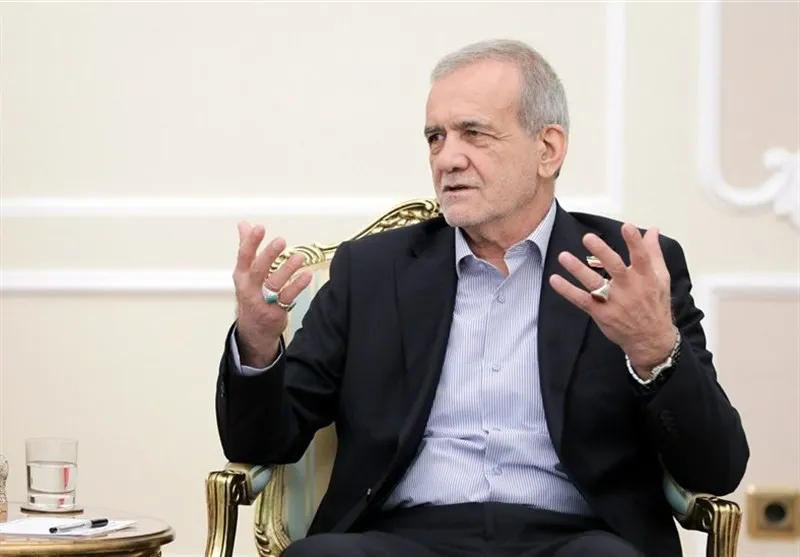
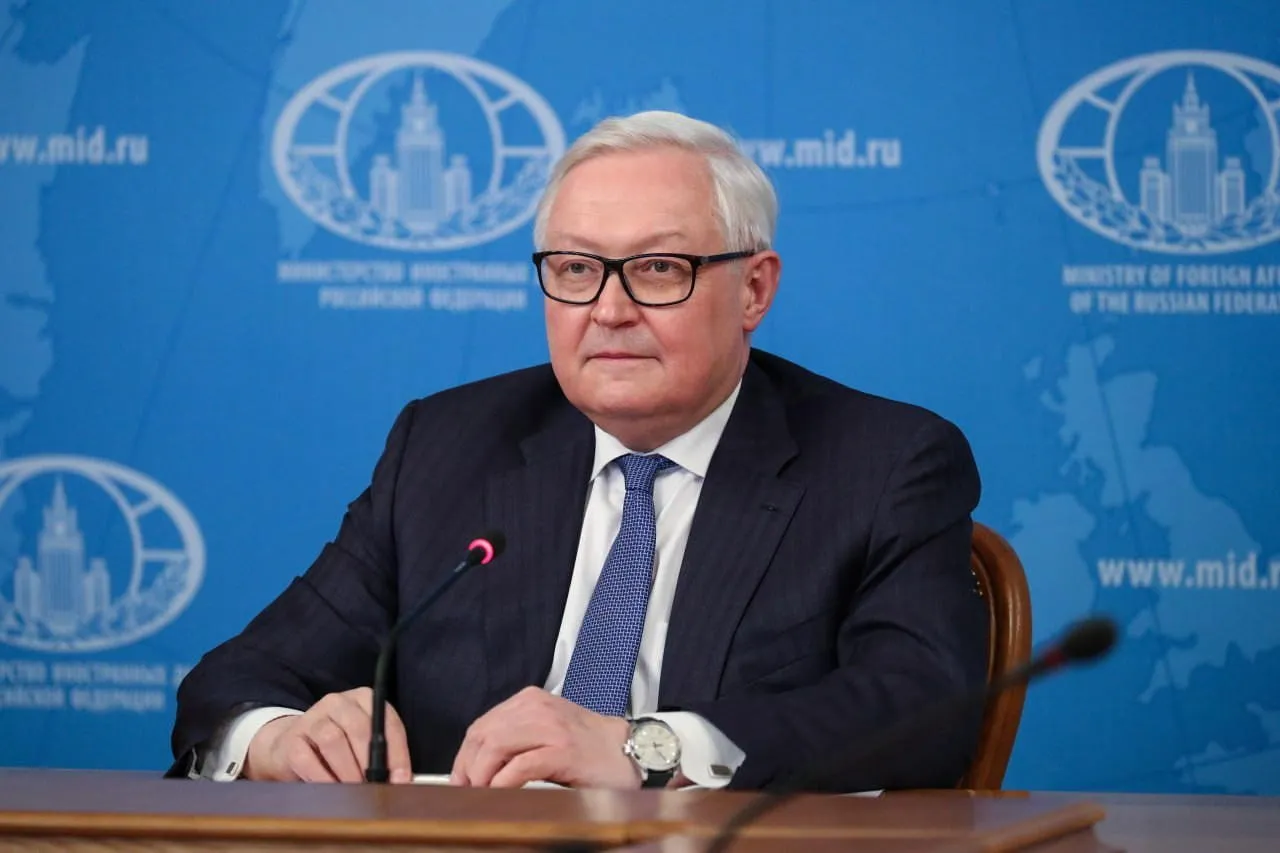
Russian Deputy Foreign Minister Sergey Ryabkov delivered an address to a meeting of the webinar series “History and Modernity of the Russian Nuclear Policy and Public Diplomacy in the Nuclear Field,” organized this week by the Center for Energy and Security with the support of the Presidential Grants Fund, in which he argued that nuclear policy and diplomacy is in a dangerous limbo.
One of Ryabkov’s points of emphasis was Russian President Vladimir Putin’s Sept. 22 announcement that Moscow was ready to maintain compliance with the quantitative restrictions outlined in the New START treaty for another year after the document expires next February, providing that Washington did the same. “The initiative stipulates that after the treaty expires in February 2026, both parties could continue to adhere to its central limits for at least a year. The move is aimed at preventing a strategic arms race, maintaining an acceptable level of predictability and restraint in this field, and promoting the objectives of the Nuclear Non-Proliferation Treaty,” Ryabkov said, reported TASS. “However, it will only be possible to ensure the viability of the Russian initiative’s if the U.S. shows reciprocity and refrains from steps undermining the existing balance of deterrence capabilities.”
He pointed out that Moscow needed to make sure that Washington had firmly abandoned the extremely hostile anti-Russian policy of the previous U.S. administration and was ready to work on eliminating the underlying causes behind the current crisis in Russia-U.S. relations and fundamental security contradictions.
“The undesirable alternative to the step proposed by Russia would be the emergence of [a] total vacuum in terms of restraints on nuclear capabilities, a rise in tensions, and the further growth of the nuclear threat,” he warned. “We would definitely be able to deal with the threat should it arise, and our security will be guaranteed in any case.”
Russia sees no opportunity to resume the exchange of information with the United States under New START. “As for the New START Treaty and the [resumption] of information exchange [with the United States] on this topic, I simply do not see the possibility for this, since we have completely suspended the treaty,” Ryabkov said. “This includes every single element of this mechanism, be it inspections, demonstrations, or regular meetings of the supervisory authority—everything. And this also, of course, includes the exchange of information.”
Ryabkov explained that Putin’s Sept. 22 proposal was for the parties to be committed to the central quantitative restrictions on the strategic offensive weapons for another year after the official expiration of the treaty. “Thus, during this year, we committed ourselves not to exceed these central quantitative limits, provided that the United States maintains the established balance, that they do not do anything that would lead us to conclude that they themselves exceeded these limits, on the one hand, and on the other, that they do nothing in the field of strategic defense that we can regard as a significant devaluation of our own deterrence capabilities,” he said.
“This is a limited offer designed for a limited time period. We hope that it will be accepted,” Ryabkov said.
Ryabkov also warned that the hostile policies of NATO countries could lead to a clash between nuclear powers. “Among the corresponding negative factors, we particularly highlight the hostile policies of NATO countries, which could lead to a head-on clash between nuclear powers, as well as the development by this self-proclaimed nuclear alliance of so-called joint nuclear missions, including the expansion of the geographic reach of the U.S. nuclear presence in Europe and the range of countries delegated to deliver U.S. special munitions to targets.”
Another point he made was that the resumption of the arms-control dialogue depends on the U.S. abandoning its anti-Russian policy. “Anything is possible provided that Washington begins to practically change its, in fact, very hostile approach to Russia and begins to change its policy of imposing various kinds of sanctions, pressure, and so on against us,” Ryabkov said. He said that this position is well known in Washington: “At the moment, we don’t see any significant changes for the better.”