

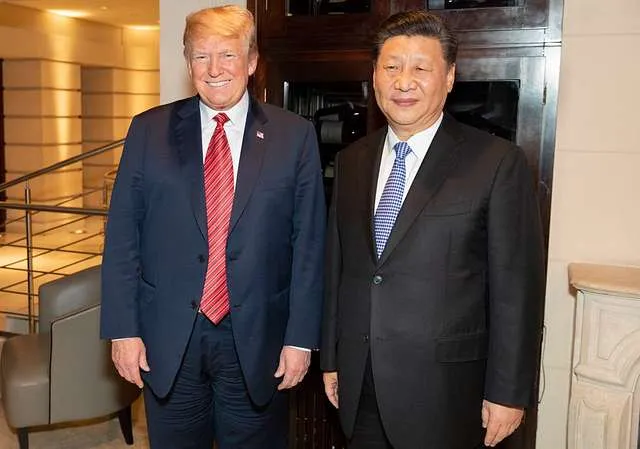

Chinese President Xi Jinping and U.S. President Donald Trump will hold a long-anticipated meeting on Oct. 30 on the sidelines of the Asia-Pacific Economic Cooperation meeting, Trump’s Press Secretary Karoline Leavitt announced Oct. 23.
One central pivot of the discussions will be tariffs and trade. Chinese imports currently face U.S. tariffs of around 55%. Reuters reported on Oct. 22, that: “On Oct. 10, Trump said in a social media post that he would impose additional tariffs of 100% on China’s U.S.-bound shipments, along with new export controls on ‘any and all critical software’ by Nov. 1.” On Oct. 9, China imposed increased export controls on 17 rare earth elements and magnets, which are vital materials in products ranging from electric vehicles to aircraft engines and military armaments and radars.
While the United States threatened China with heavy tariffs, China’s possession of rare earths has given the U.S. pause. China processes and produces over 90% of the world’s processed rare earths and rare earth magnets, and this affects the U.S.—and European—defense industries. As well, while the U.S. has attempted to cut off China’s access to advanced computer chips and chip-making machines, China has made important leaps in its own production, significantly reducing the United States leverage.