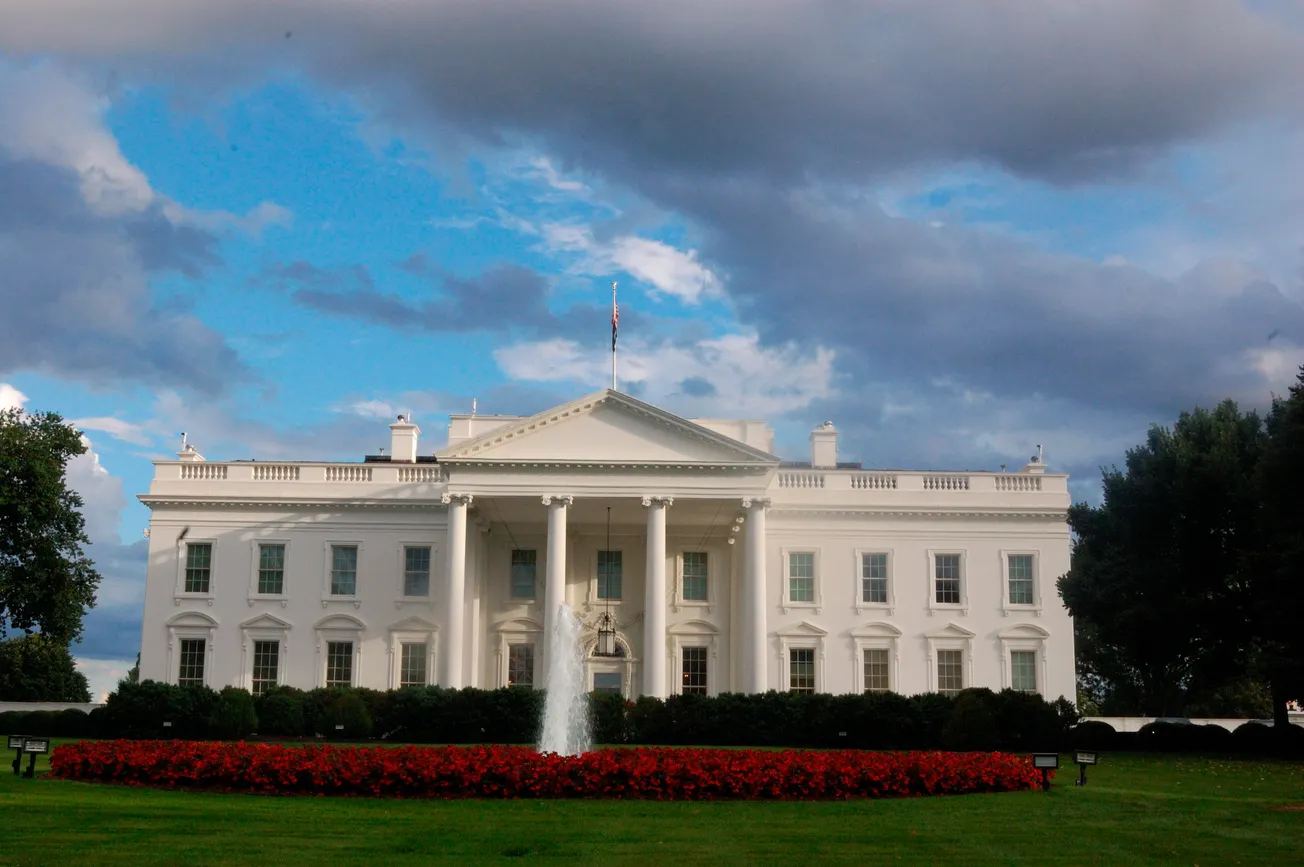
Last night, on Nov. 13, just ahead of the Nov. 14 deadline that U.S. President Donald Trump had issued, the British Broadcasting Company (BBC) reported that they had sent a letter to the White House apologizing for their infamous broadcast against Trump a week prior to his November 2024 election. Video footage was spliced together to change Trump’s January 6, 2021 call for a peaceful march on the Capitol to one in which he appeared to call on his audience to “fight like hell” at the Capitol.
Previously, the BBC had written to Trump’s lawyers, contending that the edited section was not designed to mislead, but just to shorten a long speech, and that the edit was not done with malice. And publicly, the BBC’s CEO Samir Shah had said that this was an “error in judgement.”
Trump, via his lawyer, had demanded of the BBC, not an apology, but a “full and fair” retraction of the documentary along with other “false, defamatory, disparaging, misleading or inflammatory statements,” coverage of their retraction as extensive as the show that they had broadcast, and compensation to Trump for his “overwhelming financial and reputational harm.”
BBC’s Nov. 13 announcement was an effort to cut their losses, in which they stated: “We accept that our edit unintentionally created the impression that we were showing a single continuous section of the speech, rather than excerpts from different points in the speech, and that this gave the mistaken impression that President Trump had made a direct call for violent action.” This claim is ridiculous on the surface of it, since the “fight like hell” quote the BBC used had nothing to do with the march, and it instead replaced Trump’s actual call for a peaceful march. On top of that, the BBC displayed video footage of the Proud Boys aggressively marching while Trump was speaking, but they were not even at Trump’s speech.
The BBC also said they would not re-broadcast the segment, but they ignored Trump’s demand that they make a good faith effort to reach out as extensively as the original broadcast. The BBC also failed to address any compensation, reporting instead in their headline: “BBC ... Refuses To Pay Compensation.”