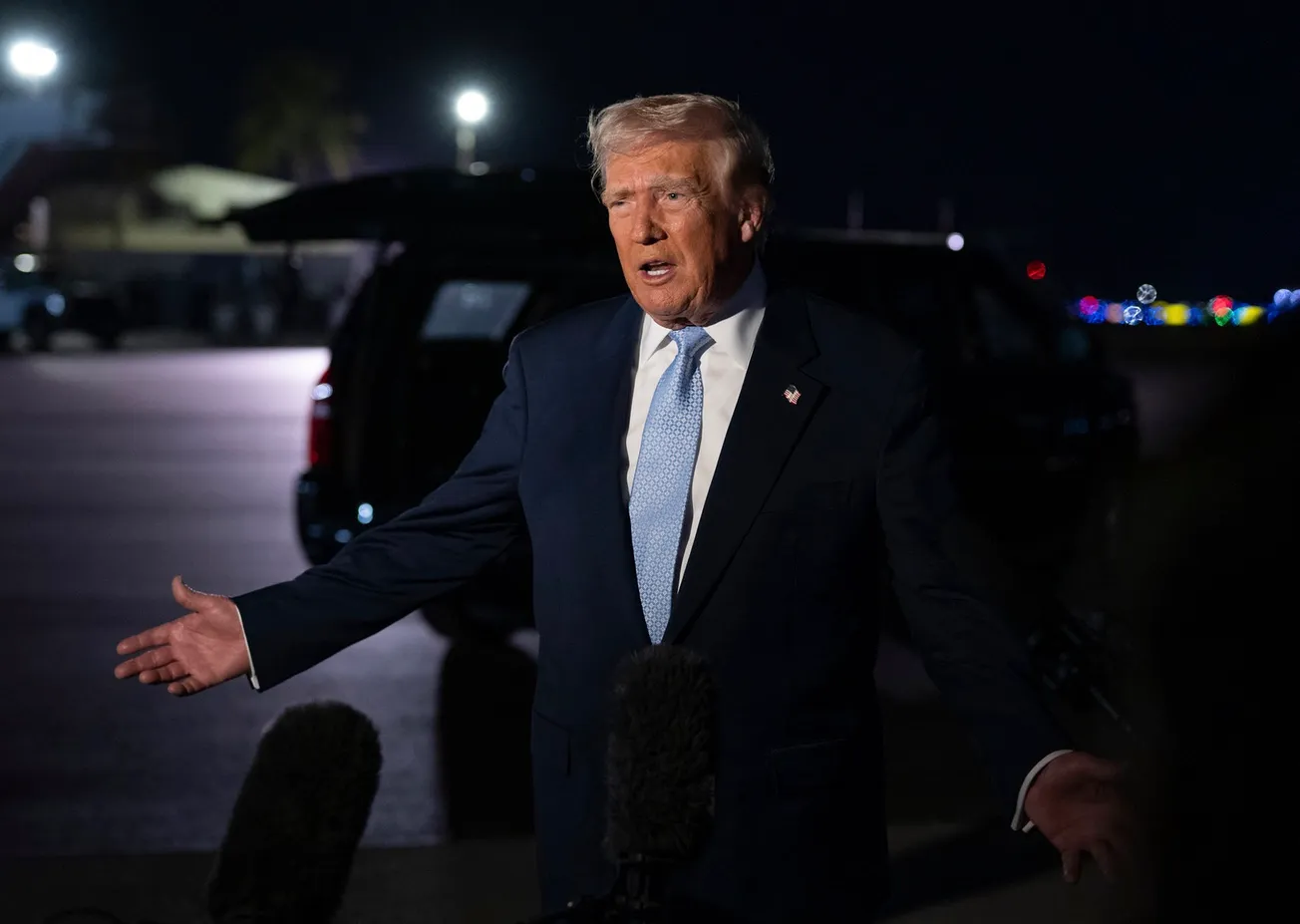
The Wall Street Journal reported in a Nov. 26 story that “Trump, After Call with China’s Xi, Told Tokyo To Lower the Volume on Taiwan.” The Journal’s story is that, several hours after his Nov. 24, hour-long call with Chinese President Xi Jinping, U.S. President Donald Trump arranged for a call with Japanese Prime Minister Sanae Takaichi, in which he “advised her not to provoke Beijing on the question of Taiwan’s sovereignty…. The advice from Trump was subtle, and he didn’t pressure Takaichi to walk back her comments,” the Journal added, but Japanese officials called the message “worrying.” The Journal cited unnamed “Japanese officials and an American briefed on Trump’s call” as its sources.
The Japanese may be “worried,” but as of this writing they have not changed their provocative posture regarding Taiwan one iota.
When the Journal asked the White House about its story, it got back a typical Trump wheezy-breezy statement: “The United States relationship with China is very good, and that’s also very good for Japan, who is our dear and close ally. Getting along with China is a great thing for China and the U.S. In my opinion, President Xi will be substantially upping his purchase of soybean and other farm products, and anything good for our farmers is good for me. We signed wonderful trade deals with Japan, China, South Korea, and many other nations, and the world is at peace. Let’s keep it that way!”
The China-Japan crisis erupted when Prime Minister Takaichi stated in the Japanese Diet on Nov. 7, that Japan could declare any conflict over Taiwan to be an “existential situation” for Japan itself, thereby justifying Japanese military intervention. Chinese spokesmen have stated repeatedly that that policy violates the legal instruments upon which Chinese-Japanese relations were established after the 1945 defeat of Japanese militarism, and it must be retracted.