
Under the leadership of the National Front To Save the Mexican Countryside (FNRCM), on Nov. 24 Mexican farmers again blocked major highways in 17 or more states across Mexico. They insist that the government adopt economic policies to protect them, and the nation, from the financial speculators who control the big food cartels which are driving independent family farmers in Mexico, as in the United States, into bankruptcy. The farmers’ message is simple: Without farmers, you will not have food; it is the government’s job to protect the nation’s farmers, and the job of other Mexicans to get the government to understand that this is not a “farm” issue, but a question of national sovereignty and survival.
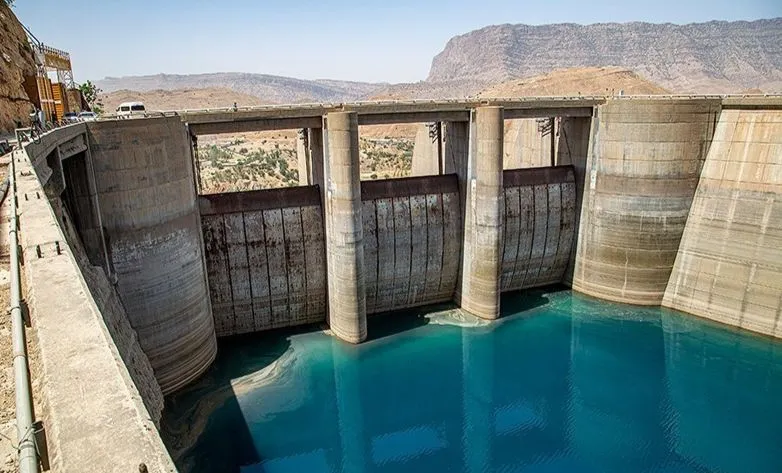
The FNRCM had warned the government that their protests would begin again on Nov. 24, unless it got serious about adopting policies to save national agriculture: parity prices, a flow of national credit, adequate access to water (desalination and two huge water management projects) and protection from the cartels’ dumping their cheaply-priced foods into Mexico’s markets. The farmers have escalated: This is an “indefinite” strike, not just for one day; in addition to blocking toll plazas, this time some point-of-entry customs posts are being occupied; and truckers have joined the strike, seeking the living conditions they require. Some of the blockades are allowing individual cars to pass through, but no tractor trailers, leading to interminably long lines of stalled freight. A surface transportation executive in Mexico from the giant brokerage firm C.H. Robinson told FreightWaves price reporting agency, that freight companies began making contingency plans last week, but “the full impact remains uncertain and depends on how long the blockades persist.”
Mexican President Claudia Sheinbaum, personally, and her Secretaries of Government and Agriculture insisted on Nov. 24 that “there is no reason” for these actions, because the government listened to the producers, and is still “open to dialogue.” That “offer” was accompanied by the threat of issuing arrest warrants against farm leaders for “obstructing transit.”
“There is no dialogue when the government hears, but does not listen,” the FNRCM farm leaders responded, in a statement released on Nov. 24. “The President maintains that there is dialogue with domestic producers and that roundtables have been established for this purpose, but she fails to mention that the officials sent to these roundtables lack the authority to make commitments. They listen to the producers’ proposals but offer no concrete response. They want to use dialogue as therapeutic venting.”
The farm leaders made the decision to go back to the streets, in particular, after hearings organized by the Chamber of Deputies were held last week, in which the farmers and the prestigious national economist Dr. Arturo Huerta gave extensive briefings on the measures needed, and how the total package would benefit the country. The Deputies nodded away, and then issued final minutes summarizing the hearings which proposed not one measure whatsoever, not even that the easiest, of paying government support payments owed the farmers from the previous year’s crop, never mind for the one in process.