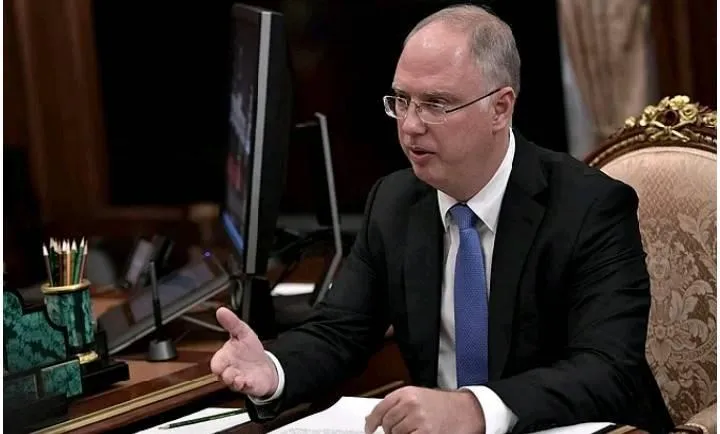
Reports of renewed contacts between Steve Witkoff and Kirill Dmitriev, the U.S. and Russian special envoys whose talks helped set the stage for the August summit of Presidents Putin and Trump in Alaska, have been billed by an Axios report as a secretly U.S.-drafted “new plan to end Ukraine war.” Citing unnamed sources that “the 28-point U.S. plan” consists of four sections—peace in Ukraine, security guarantees, security in Europe, and future U.S. relations with Russia and Ukraine, the Axios report claims it was “inspired by President Trump’s successful push for a deal in Gaza.”Nov. 19, 2025 (EIRNS)—Reports of renewed contacts between Steve Witkoff and Kirill Dmitriev, the U.S. and Russian special envoys whose talks helped set the stage for the August summit of Presidents Putin and Trump in Alaska, have been billed by an Axios report as a secretly U.S.-drafted “new plan to end Ukraine war.” Citing unnamed sources that “the 28-point U.S. plan” consists of four sections—peace in Ukraine, security guarantees, security in Europe, and future U.S. relations with Russia and Ukraine, the Axios report claims it was “inspired by President Trump’s successful push for a deal in Gaza.”
Dmitriev, who spoke on the record with Axios on Nov. 17, characterized the possible initiative in less breathless, more realistic tones: He said that the basic idea is to take the principles Trump and Russian President Vladimir Putin agreed to in Alaska in August, and produce a proposal “to address the Ukraine conflict, but also how to restore U.S.-Russia ties [and] address Russia’s security concerns.” Dmitriev, who spoke on the record with Axios on Nov. 17, characterized the possible initiative in less breathless, more realistic tones: He said that the basic idea is to take the principles Trump and Russian President Vladimir Putin agreed to in Alaska in August, and produce a proposal “to address the Ukraine conflict, but also how to restore U.S.-Russia ties [and] address Russia’s security concerns.”
In Russian Foreign Minister Sergey Lavrov’s several interviews last week, he emphasized Moscow’s ongoing attempts to get Washington to return to its own earlier proposals, which were the basis for the Alaska understandings. Those featured both territorial and security issues in Ukraine (“Lavrov Debunks Financial Times Story of ‘U.S.-Russia Tensions’ Due to Russian Memorandum. As EIR News reported then, “Russian Presidential aide Yury Ushakov also reiterated that contacts with the U.S. had never been broken and that both parties were working with an understanding of what had been accomplished at the Anchorage meeting.”In Russian Foreign Minister Sergey Lavrov’s several interviews last week, he emphasized Moscow’s ongoing attempts to get Washington to return to its own earlier proposals, which were the basis for the Alaska understandings. Those featured both territorial and security issues in Ukraine (“Lavrov Debunks Financial Times Story of ‘U.S.-Russia Tensions’ Due to Russian Memorandum. As EIR News reported then, “Russian Presidential aide Yury Ushakov also reiterated that contacts with the U.S. had never been broken and that both parties were working with an understanding of what had been accomplished at the Anchorage meeting.”