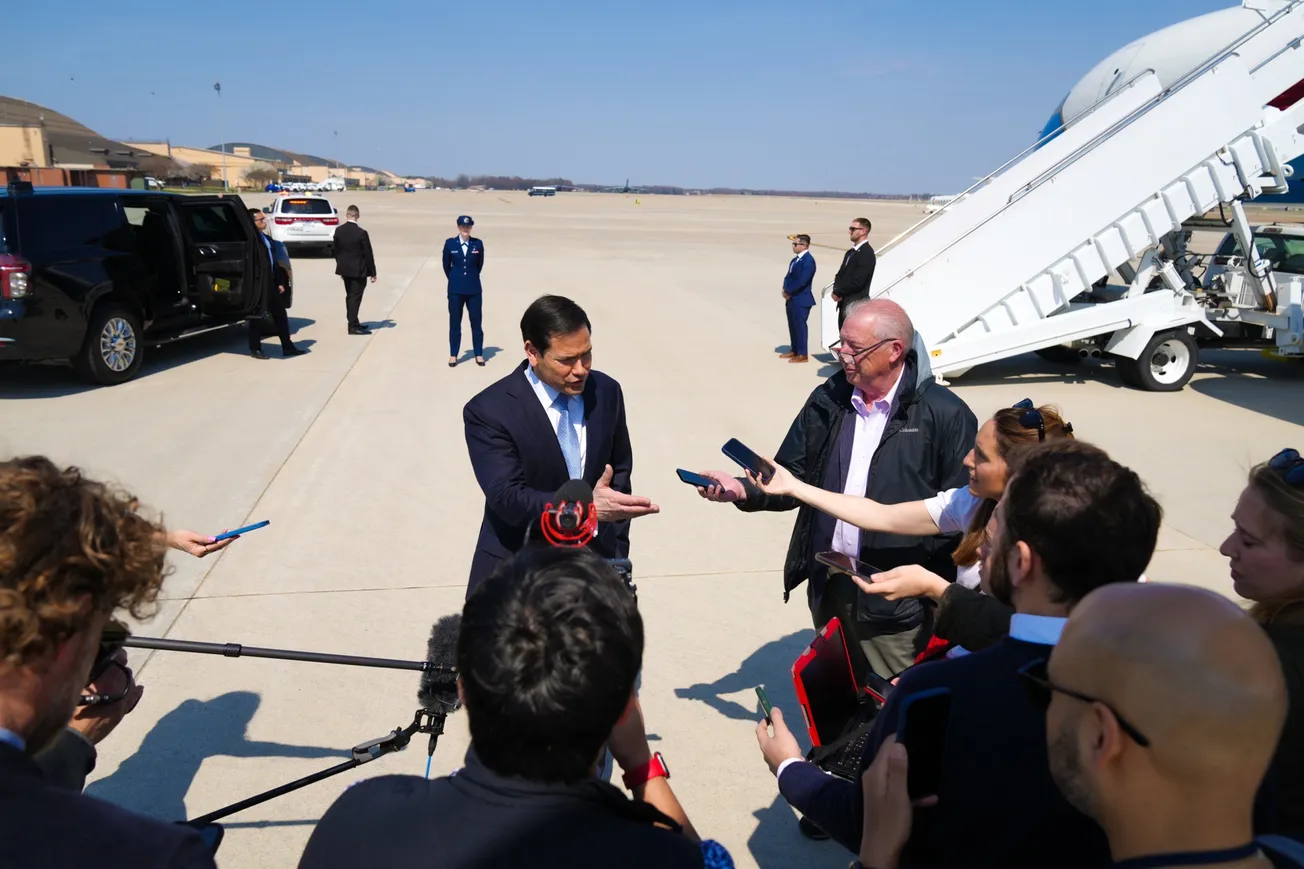
The U.S. 1973 War Powers Resolution requires that the President withdraw from hostilities at the end of 60 days unless Congress acts to pass an authorization for military force before then. For President Donald Trump’s boat-killing campaign in the Caribbean and Eastern Pacific, the clock began ticking on Sept. 4 with his first notification to Congress and expired yesterday.
The Trump Administration’s strategy on avoiding the requirements of the law hinges on an interpretation of the legal definition of the term “hostilities,” which is both “incorrect and dangerous,” writes former State Department lawyer Brian Finucane in an analysis published in Just Security yesterday. The administration has apparently decided that what the US is doing does not constitute “hostilities” as defined in the 1973 War Powers Resolution. Therefore, the Congressional reporting requirements and the 60-day clock as provided in the resolution do not apply. “In contravening the restriction of the War Powers Resolution, the Trump administration would circumvent legislative safeguards on military action and usurp Congress’s constitutional authority over the use of military force,” Finucane writes.
At the Pentagon, Secretary of Defense Pete Hegseth is taking his own measures to cut off Congress from the Defense Department. In addition to the administration’s effort to circumvent the War Powers Resolution, Hegseth has disseminated a broad list of topics on which Defense Department personnel are now required to seek prior approval before engaging with Congress, which includes any and all “sensitive military operations” and U.S. military strikes on suspected drug boats around Latin America, CNN reported on Nov. 2, citing “people familiar with the latest guidance.” The new guidance has sparked fears on Capitol Hill that military members and civilian officials will now be reluctant to talk to Congress.