The Stimson Center, a Washington, D.C.-based think tank, warned in an Oct. 10 report by two of its researchers, Evan Cooper and Alessandro Perri, that U.S. strikes on Venezuela will come with strategic costs. “U.S. aggression in the Caribbean has little upside, while threatening to make the United States a pariah and exacerbate the conditions that lead to drug trafficking and migration,” they wrote. “Any of the three routes currently being discussed—continuing to carry out strikes on non-combatant ships, escalating targeted attacks within Venezuela, or attempting outright regime change—would leave the United States in a worse position. The Trump administration’s approach is strategically unsound, risking increased regional instability and hostility towards the United States without identifiable benefits.”
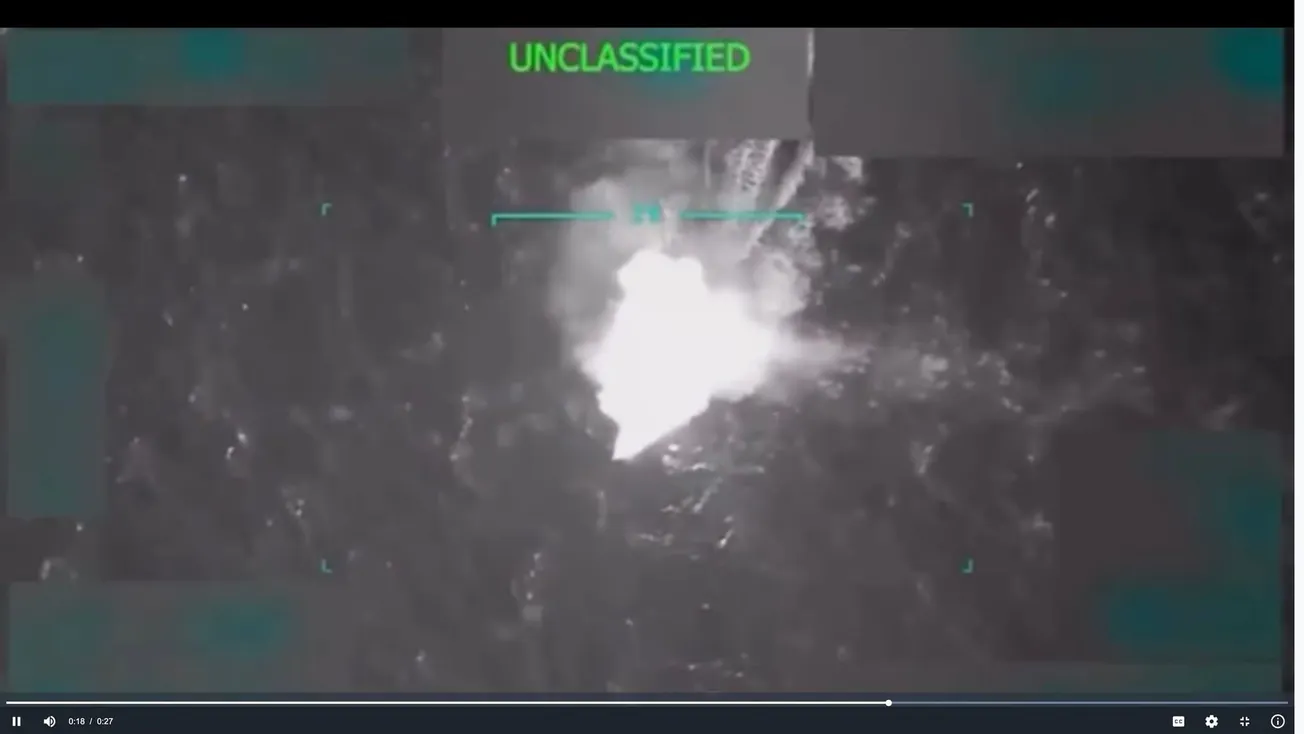
At the time the Stimson paper came out, the U.S. had struck four boats in the Caribbean, killing 21 people—that toll is now reported to be 16 boats and 66 dead as of Nov. 4. “If the United States maintains a policy of carrying out strikes against civilians who have received no due process and are not actively engaged in hostilities, there is likely to be additional sanction against the Trump administration along with increasingly hostile views from abroad,” Cooper and Perri warned. “Given the absence of evidence to prove these boats’ affiliation with cartels, even governments that have previously coordinated on anti-drug efforts with the United States will perceive these policies as a provocation and threat: Already, [Colombian President] Gustavo Petro went so far as to say that the strikes are a war against all of Latin America.”
They also noted that Venezuela’s Nicolás Maduro was already using “the strikes as evidence of U.S. imperialism and overreach, and additional strikes could perversely bolster his hold on power.”