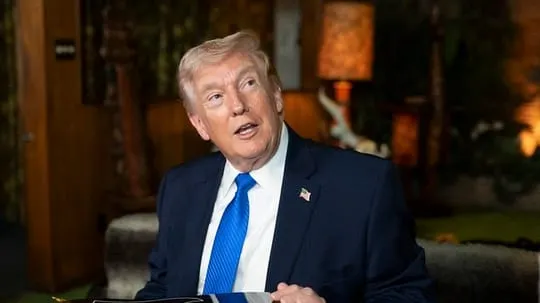

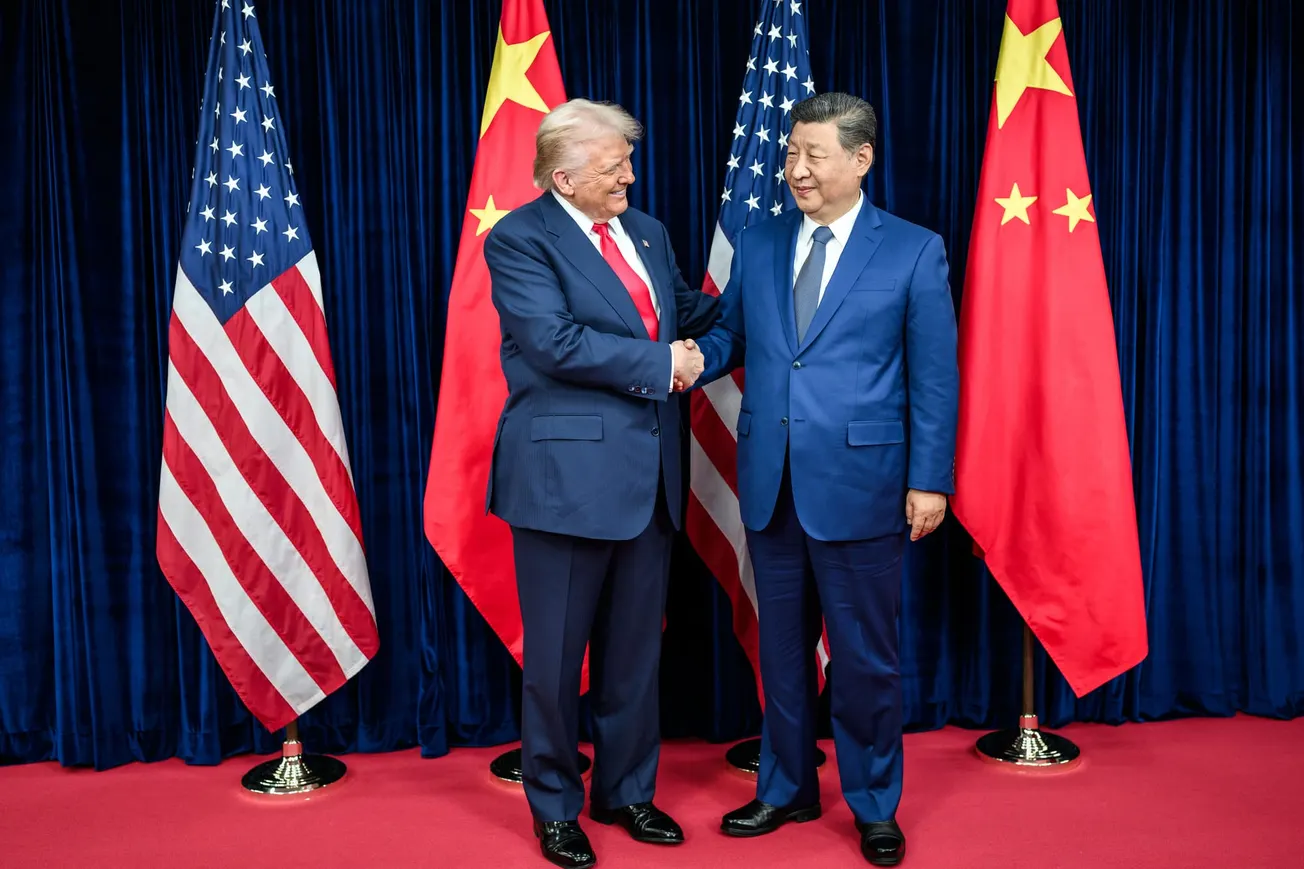
The Oct. 30 meeting between U.S. Presidents Donald Trump and China’s President Xi Jinping cannot be characterized as a major diplomatic breakthrough, but was nonetheless an important and welcome step toward establishing a more stable U.S.-China relationship. More importantly, China walked away with an agreement that essentially brought all trade restrictions and tariffs back to the pre-"Liberation Day” status quo of Spring 2025, indicating that, if anything, Trump was probably taught a lesson about how not to deal with China.
The terms of the agreement include: China will defer its rare earth export restrictions, it will begin buying soy beans from the U.S. again, and agreed to do more to control fentanyl precursors. In return: The U.S. will decrease tariffs on Chinese goods to an average of 47%, it will suspend its own restrictions on export controls, as well as suspend the expanded “entity list” restrictions on Chinese companies, and it will suspend its 301 investigations targeting China’s maritime, logistics and shipbuilding industries. China will correspondingly suspend its countermeasures on U.S. ships. All the terms were agreed upon for the span of one year, without specifying what steps will be taken after that point.