The world, as Helga Zepp-LaRouche warned, is “hanging between hope and disaster,” and the outcome depends on whether action replaces inertia.
There are openings. The continued dialogue between Donald Trump and Vladimir Putin, described by both sides as productive, marks a meaningful path forward toward ending the conflict playing out in Ukraine.
Alongside diplomatic movement forward in this one respect, there are countervailing forces pushing the world toward wider war: U.S. arms transfers to Taiwan, China’s encirclement of the island in response, Europe’s rearmament drive, and preparations to station long-range missiles in Germany that would again place the continent on the nuclear front line. Ukraine’s drone attack on Putin’s residence—made not long after the Trump-Zelenskyy meeting on Dec. 28, was denounced by a self-described “very angry” Trump, as an action that leads away from peace.
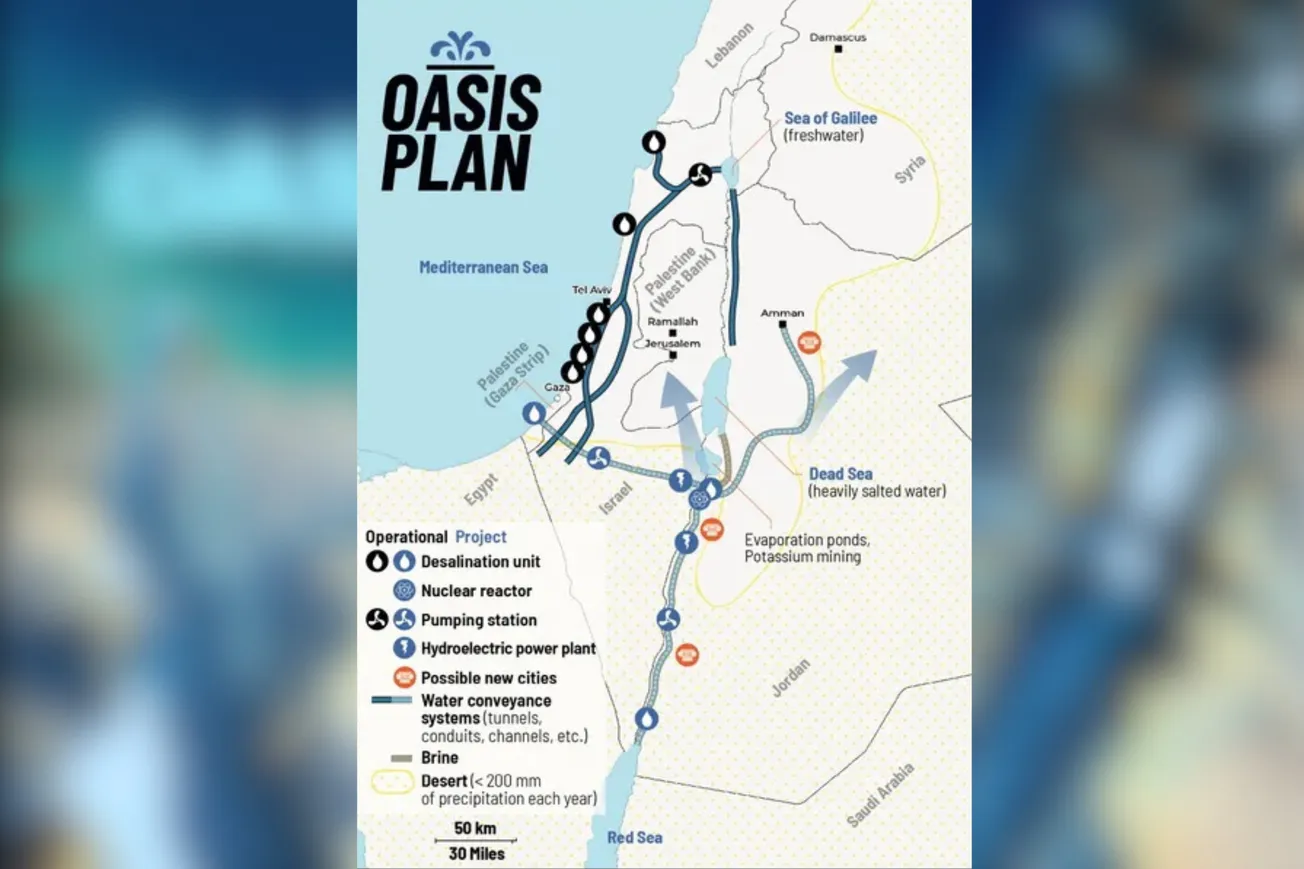
Trump’s total support for Israeli Prime Minister Benjamin Netanyahu, including backing up Israel “100%” when it comes to the Gaza peace plan whose implementation it is stalling, is setting Trump up for being convinced to order further strikes on Iran.
Where diplomacy appears, Anglo-NATO forces invested in confrontation move to overwhelm it.
These are not separate crises. Ukraine, Taiwan, and Gaza are symptoms of a single failure—the refusal to replace geopolitics with a security order grounded in development. Without that shift, every ceasefire remains fragile, every negotiation exposed to provocation, every peace merely a reprieve.
Equally decisive is the internal front. The suppression of dissent across Europe and North America takes the form of sanctions on journalists, criminalization of protest, and expanding surveillance. Societies preparing for war silence the very voices needed to change course.
Yet an alternative is visible. Türkiye’s rapid construction of 455,000 homes after the 2023 earthquake demonstrates what is possible when state power is mobilized for life rather than destruction.
What could the hundreds of billions spent on weapons have done, if spent instead on rebuilding cities, expanding infrastructure, and removing the roots of conflict?
Acting to change history’s trajectory now means insisting on a new security and development architecture—making economic reconstruction the measure of security. The door leading to that future is still open. For now.