
The first year of a presidency that promised “America First” has produced a record that is deeply divided against itself.
There have been real, if fragile, departures from the logic of endless war: the formal rejection of primacy in strategic doctrine, the reopening of diplomacy with Russia and Belarus, a narrowly defined ceasefire with the Houthis that served concrete U.S. interests, and a nascent domestic challenge to the bipartisan culture of permanent conflict. They show that a different foreign policy is possible.
But the events of the past days reveal how easily such gains can be reversed. Claims of U.S. strikes on Venezuelan territory (unverified and unexplained) signal a return to the habits that defined the post-Cold War era: unilateralism and the normalization of acts that amount to war.
The contradiction is now explicit. An administration that speaks the language of restraint acts without transparency. A Congress that briefly asserted its constitutional authority fails to stop escalation. And the public, long conditioned to accept intervention as inevitability, is once again expected to acquiesce to military action carried out in its name but beyond its consent.
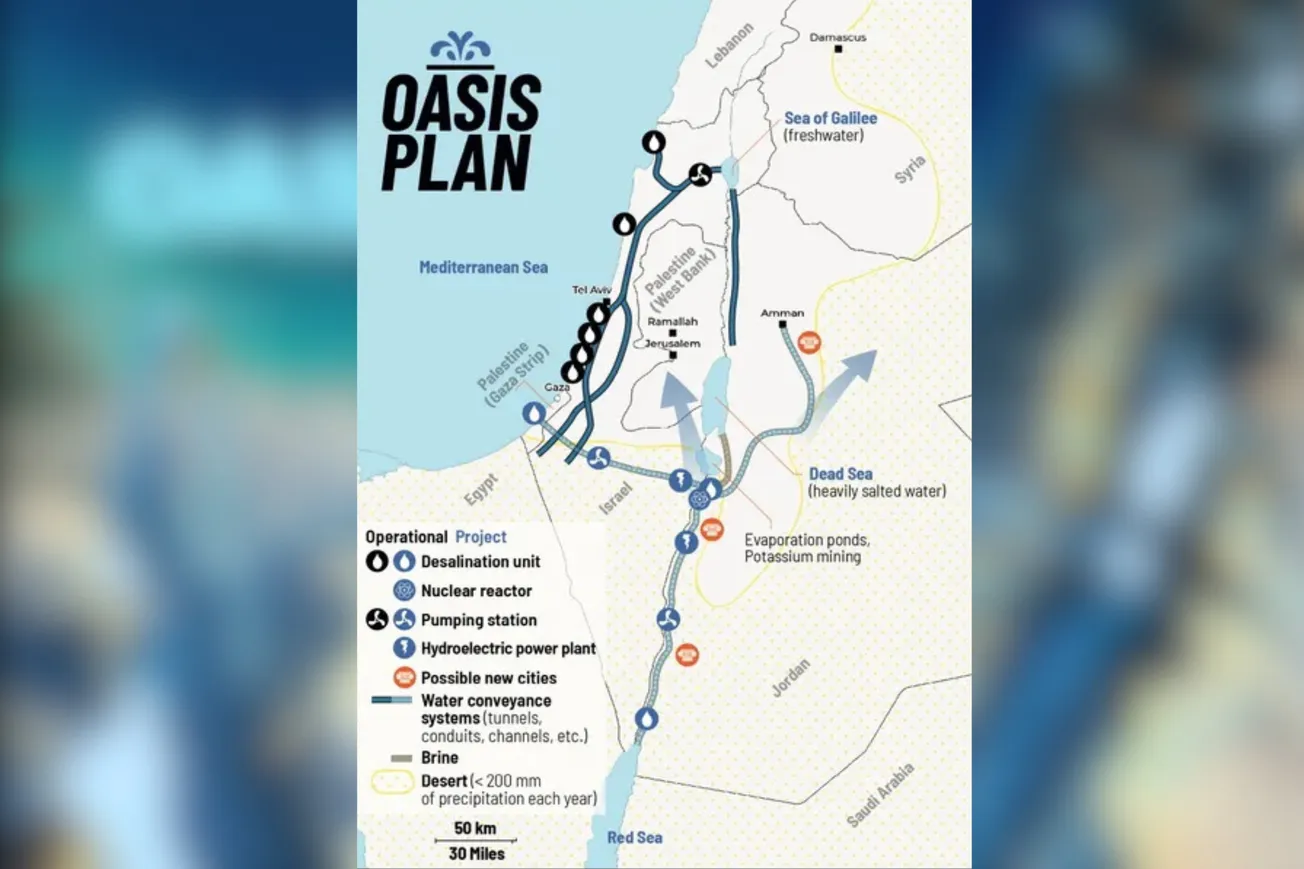
In the Western Hemisphere, this trajectory carries particular danger. U.S. intervention there has repeatedly produced instability rather than order. The path now being tested risks manufacturing a new crisis—one that threatens Venezuela, regional stability, and the potential for a new paradigm of development and security.
The same pattern appears elsewhere. With respect to Israel, President Donald Trump’s abandonment of diplomatic leverage, in favor of unconditional alignment, removes incentives for de-escalation and binds the United States to perpetual conflict. In the case of Iran, Washington has already acted on Israeli priorities rather than its own strategic interests.
Ukraine’s drone attack on a residence of the Russian President gives an indication of how far NATO lunatics are willing to go in order to provoke a war against Russia.
Yet, the future is not fixed.
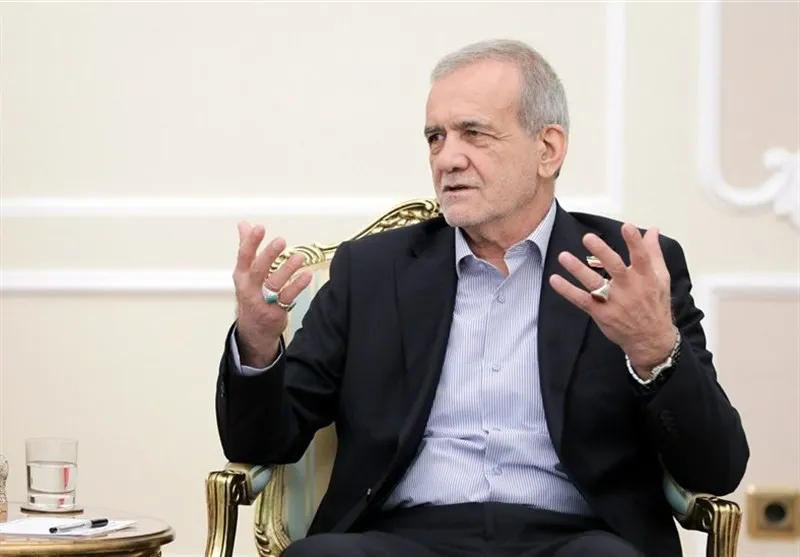
In an open appeal to Trump, the foreign minister of Iran puts the matter plainly: “For those willing to go where no one has gone before, there is a brief window of opportunity. Fortune favors the brave, and it takes a lot more guts to break an evil cycle than to simply perpetuate it.”
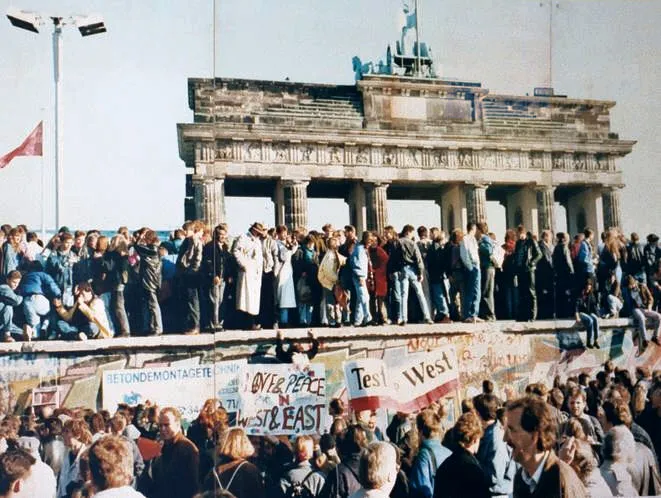
This is not a challenge only for presidents or diplomats. It applies to the public—to citizens who must decide whether to remain spectators to history, or to step onto the stage and insist that development, cooperation, diplomacy, and peace are not signs of weakness, but expressions of a courageous commitment to a self-directed, more human future.
Windows like this do not remain open indefinitely. Will the countries of Anglo-American NATO finally choose to break from the age of endless war?