Humanity is not condemned to perpetual crisis. At a moment when scientific breakthroughs, technological advance, and cultural dialogue could lift relations among nations to a higher, more human level, the possibility of a shared future is increasingly visible—even as it is actively resisted by those invested in geopolitics and confrontation.
The world is drifting toward decisions whose consequences cannot be reversed, while responsibility for those decisions is being deliberately obscured. Escalation is presented as an unavoidable response to external forces, even as the underlying premise—that conflict is natural, permanent, and necessary—goes largely unchallenged.
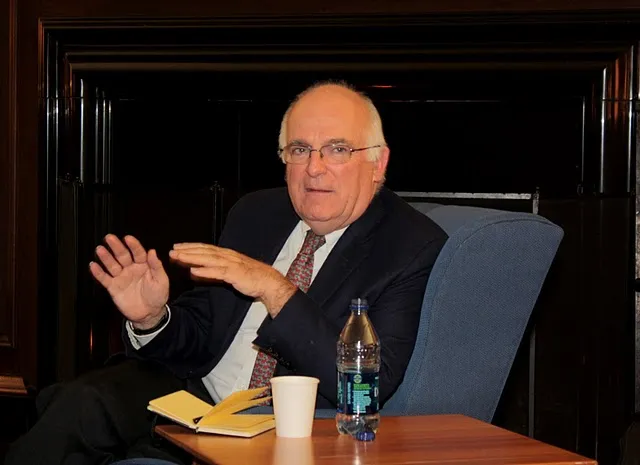
The still-unexplained killing of MIT Professor Nuno Loureiro points to the stakes of this moment. Loureiro was a leading figure in nuclear fusion research, a field that promises a qualitative break from scarcity, from zero-sum geopolitics, and from conflicts driven by energy insecurity. Could his murder prompt a serious international reckoning about the protection and advancement of scientific progress? Instead, speculation surrounding what appears to have been a targeted killing is already being folded into geopolitical narratives. In a world facing systemic breakdown, even science itself risks being treated as a domain to be weaponized.
In Europe, the push to seize Russian sovereign assets has fractured the EU internally, exposing a willingness to abandon foundational legal principles while invoking “emergency” powers to bypass democratic consent and unanimity among the bloc’s members. The postponement of the Mercosur agreement under pressure from farmers shows that popular resistance can still interrupt the process—but, so far, only temporarily. Will Europe commit itself to sovereignty and development, or continue subordinating itself to an Anglo-American strategic outlook that increasingly relies on legal exceptions, economic coercion, and permanent confrontation?
Outside Europe, the alignment is clearer. Most of the Global South openly rejects U.S.-led interventionism in Venezuela. While Washington sanctions additional judges of the International Criminal Court and doubles down on coercive measures, other nations are seeking stability through reconstruction, infrastructure, and cooperation. How will the Trump administration respond to increasing demands that it change course?
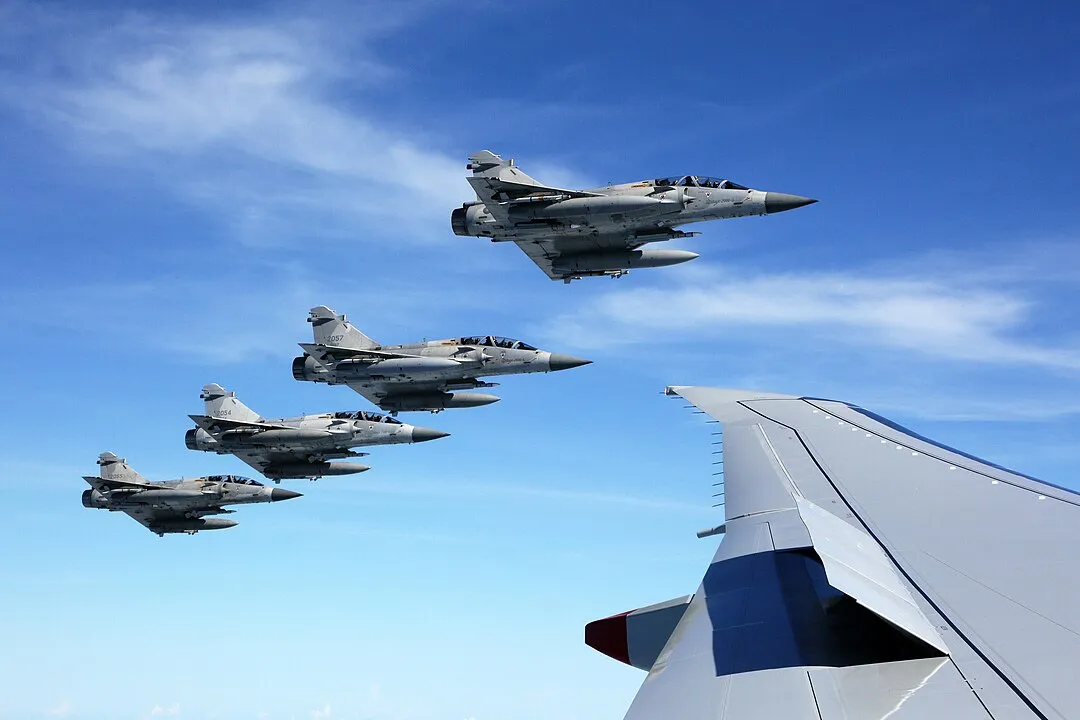
The contradictions are visible in the case of Taiwan. The largest U.S. arms sale in the island’s history proceeds even as Taiwan’s own legislature resists the transformation of society into a permanent forward base, while China warns that red lines are being crossed. Will Taiwan allow itself to define its future in terms other than militarization?
Helga Zepp-LaRouche is advancing an alternative: The establishment of a new security and development architecture that includes all nations, because “if it doesn’t include everybody, it will lead to disaster.” The belief that war is inevitable, or that conflict is inherent to human nature, reflects ideology, not reality. It follows from imperial doctrines that deny humanity’s creative capacity and reduce politics to force.
When scientific progress is subordinated to geopolitics, legal norms are treated as expendable, and escalation is normalized, the danger lies in the conscious refusal to adopt a new paradigm—one grounded in sovereignty, mutual development, scientific and technological advancement, and the cultivation of culture and beauty as expressions of what humanity is capable of becoming.
That alternative is being actively shaped through the work of the International Peace Coalition, which meets on Dec. 19, bringing together Helga Zepp-LaRouche, youth leaders from around the world reporting on the Schiller Institute’s Dec. 14 online conference, and others committed to replacing geopolitics with a future of cooperation, creativity, and peace.