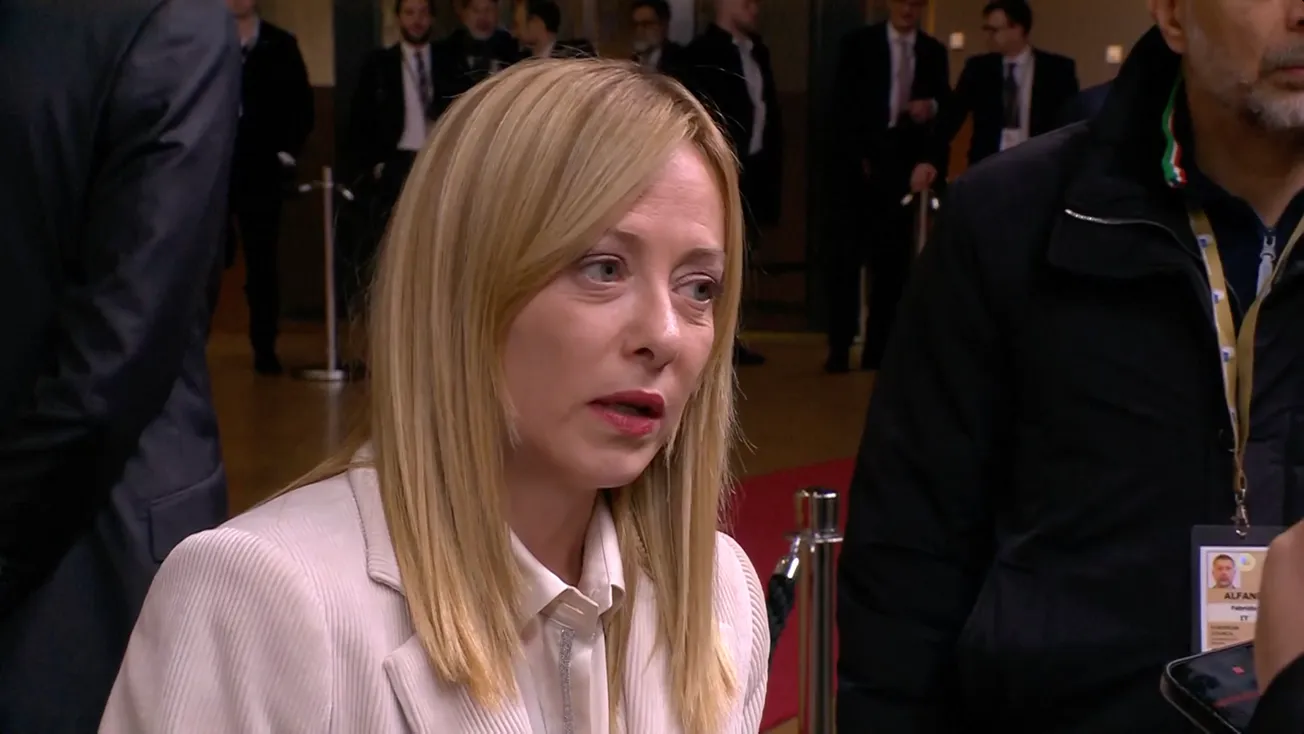
Despite a marathon meeting in Brussels that went on until early Friday morning, Dec. 19, the EU Council failed to reach an agreement on stealing Russian assets and giving them to Kiev to continue the war. France and Italy backed the Belgian opposition—as did the outspoken governments of Hungary, Slovakia, and Czechia—and ultimately German Chancellor Friedrich Merz had to back down. Washington had also expressed its misgivings about the proposed grand larceny.
The outcome was widely reported as a huge setback for the London-led Coalition of the Willing. “Massive Blow for Merz,” Politico wrote. The defeat means Europe can no longer claim “a seat at the table” during the Ukraine negotiations, RT reported.
It has been announced that instead of seizing Russia’s frozen assets, the EU will lend €90 billion, interest-free, to Ukraine, which some say is enough to pay salaries but not to continue the war. Other press reports, however, indicate that the funds will be used principally to repay a G7 loan that has come due, to the tune of anywhere from €40 billion to €72 billion. RT reported: “Without the EU war chest, Zelenskyy faces a short-term economic crisis. Ukraine needs some €72 billion to repay a G7 loan stay afloat fiscally.”
The way the new scheme would work is through the emission of EU debt ("Eurobonds"), as was done with the so-called Covid Funds. However, those loans carried an interest rate for borrowers, whereas the loan for Ukraine won’t. EU taxpayers will foot the bill. Some reports say Italy, for instance, shall pay €10 billion into the pot.