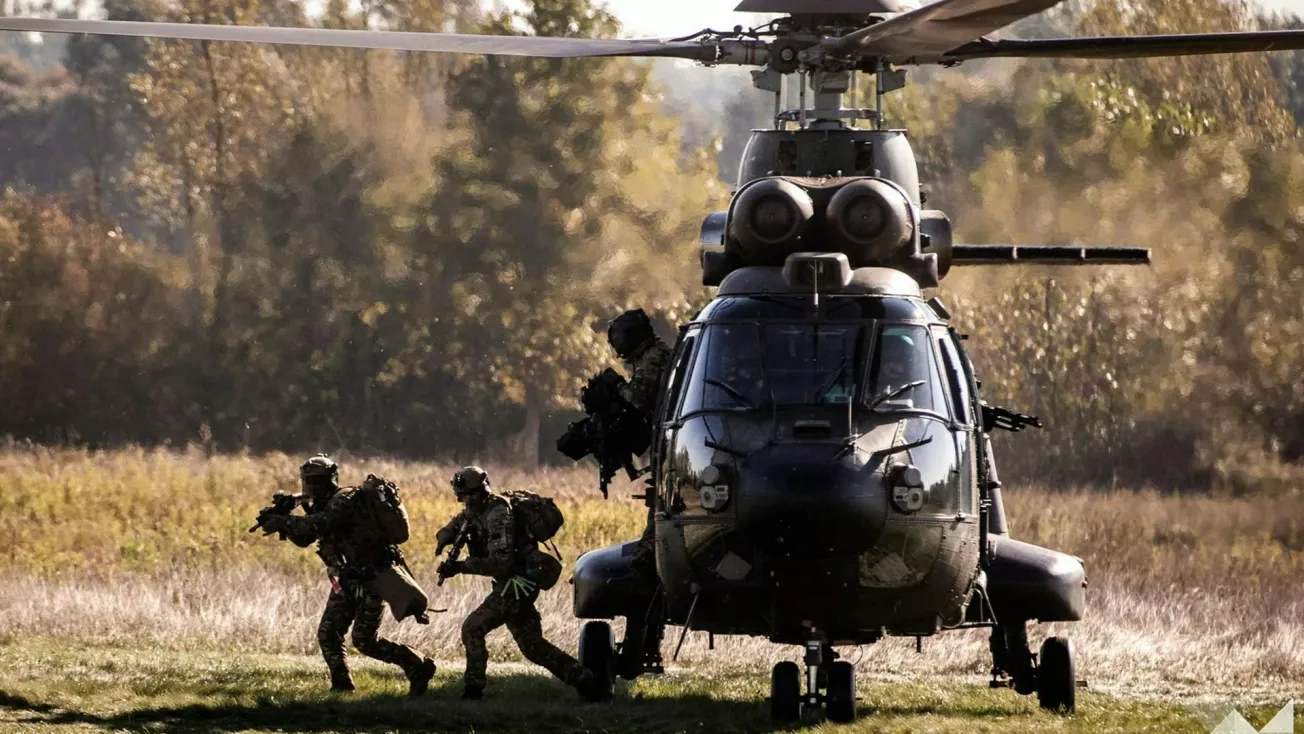
Europe’s war chorus is growing louder as its strategic capabilities grow thinner. Strip away the slogans, and a blunt question remains unanswered: Can the EU or NATO credibly fight Russia without the United States? Not sanction, not posture, but fight? The answer, obvious to military planners and increasingly obvious to publics, is no. And that reality is precisely what drives the escalating hysteria: If Washington cannot be dragged in, the bluff is called.
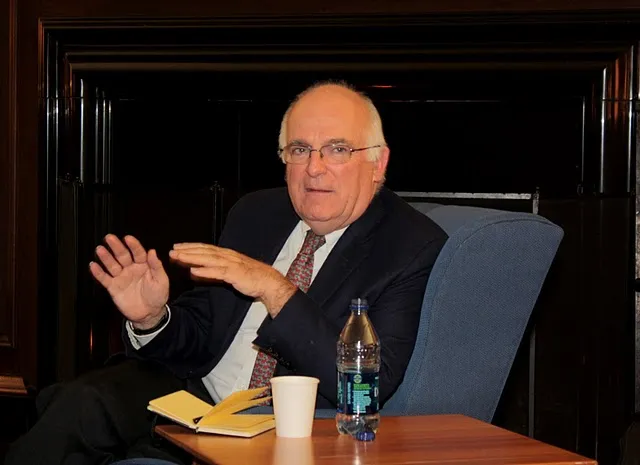
That panic now expresses itself in a familiar historical form. Journalists, analysts, and former intelligence professionals who refuse to repeat approved talking points are not debated; they are erased—sanctions without due process, livelihoods frozen by decree. As a Member of the European Parliament explains it, this is outlawry, a return to a medieval logic in which dissenters are declared rightless, beyond legal protection, for defying the feudal narrative issuing from Brussels and London. The message is not aimed only at silencing today’s critics, but at terrorizing tomorrow’s thinkers into obedience.
“When peace is not a reality that is lived, cultivated and protected, then aggression spreads into domestic and public life,” says Pope Leo in speaking out against the frenzy for military spending gripping NATO and the EU.
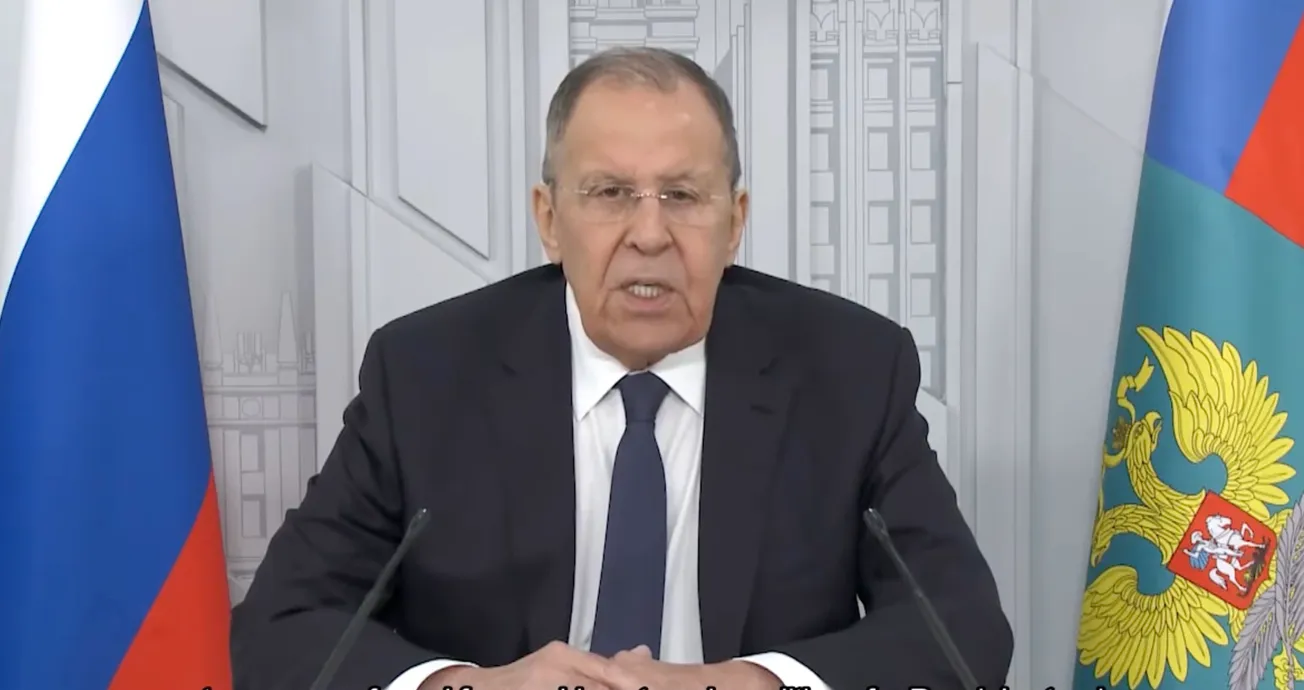
Against this dark backdrop, there is the potential for something to break through. While European institutions double down on repression and escalation, signals of realism emerge as well. Russian negotiator Kirill Dmitriev meets with Steve Witkoff and Jared Kushner in Florida. And U.S. Director of National Intelligence Tulsi Gabbard publicly accuses the EU, NATO, and the media of pushing propaganda designed to force a direct U.S.-Russia war. Even as Europe accelerates toward strategic self-destruction, channels for de-escalation still exist.
Warmongers in Europe appear trapped: Unable to fight Russia, unwilling to retreat from their claims, they choose censorship over reckoning with failure. But citizens and institutions outside that failing consensus retain the ability, and the responsibility, to confront the catastrophic costs of war and to insist on a new paradigm.
Whether the NATO-Anglo-European war drive finally collapses under its own contradictions and is brought to a better orientation—or succeeds in dragging the world down with it—may depend on actions taken in the days ahead.
The U.S. seizure of an oil tanker doing business with Venezuela, a ship that was not under sanctions, shows that while the U.S. may currently have a useful view toward resolving the conflict with Russia, a similar danger remains: the normalization of power exercised outside of law and against reason.
Will the trans-Atlantic world abandon its return to medieval thinking and enter a new paradigm of common development and economic, cultural, and scientific progress?