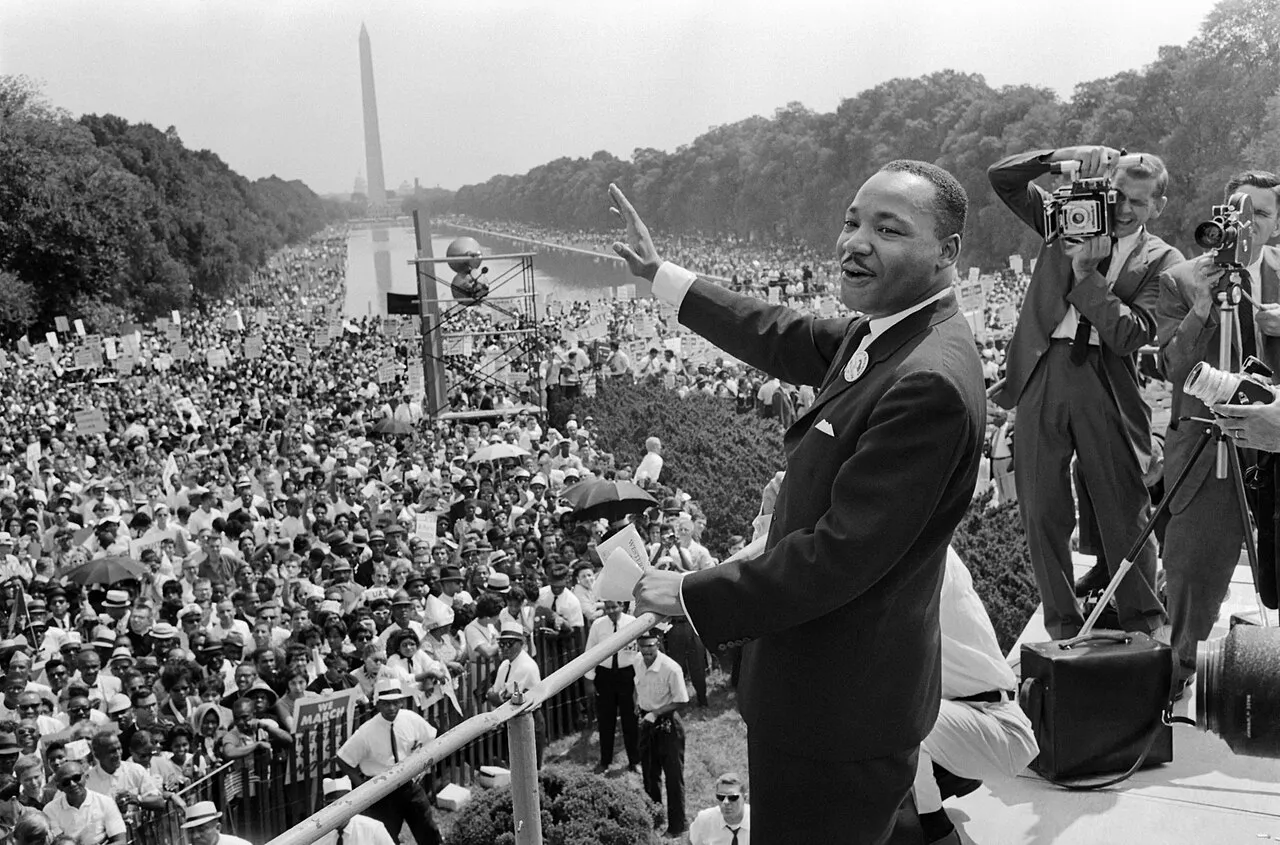
On January 19, the United States celebrates the life and legacy of one of its greatest leaders, Rev. Martin Luther King, Jr., whose universal approach is needed today, if the United States and NATO-land are to escape their own follies and evils.
Early in his April 4, 1967, speech at Riverside Church in New York City, titled “Beyond Vietnam—A Time to Break the Silence,” King quotes a statement from Clergy and Laymen Concerned About Vietnam: “A time comes when silence is betrayal.”
That time has come again.
Not because the world lacks “crises,” but because it is still imprisoned by the same deadly habit of mind King condemned: the belief that power is proved by domination, and security achieved by confrontation.
While the world can feel relief that Trump has pulled back—at least for now—from a renewed escalation against Iran, the axioms of geopolitical thought that cause Israel to demand hegemony in the region, make this restraint a moment of temporary reprieve, rather than a solution to the underlying problem.
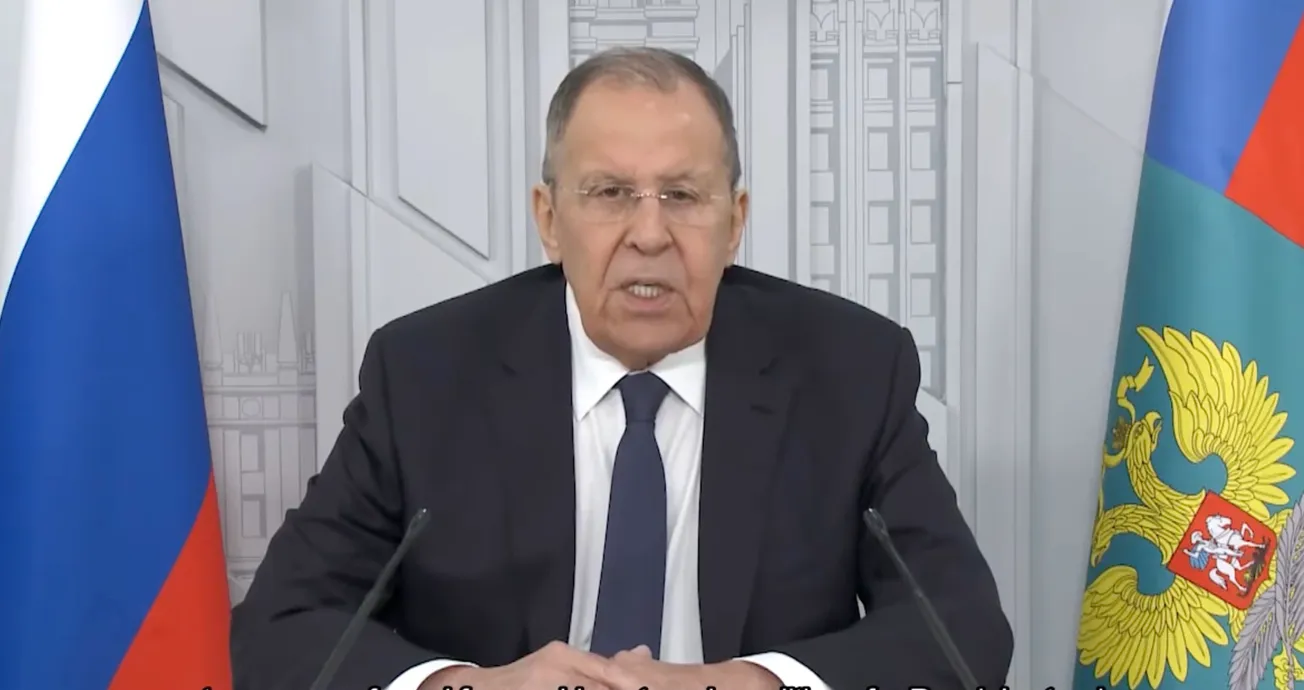
With respect to U.S.-Russia relations, while it is a good thing that two presidential envoys from the United States, Steve Witkoff and Jared Kushner, are expected to have meetings in Moscow to discuss the Ukraine conflict and bilateral relations, the sober truth is that the current U.S. presidency does not demonstrate that it has the moral or intellectual vigor to buck the swarms of NATO and Anglo-American elites demanding a unipolar world backed by perpetual proxy war and permanent economic siege.
What would a real U.S. president do? Let’s turn to King, who was a leader truly qualified to be president.
“We still have a choice today: nonviolent coexistence or violent coannihilation,” he told his Manhattan audience [emphasis mine]. “We must move past indecision to action. We must find new ways to speak for peace in Vietnam and justice throughout the developing world, a world that borders on our doors. If we do not act, we shall surely be dragged down the long, dark, and shameful corridors of time reserved for those who possess power without compassion, might without morality, and strength without sight.”
May we take such advice to heart.
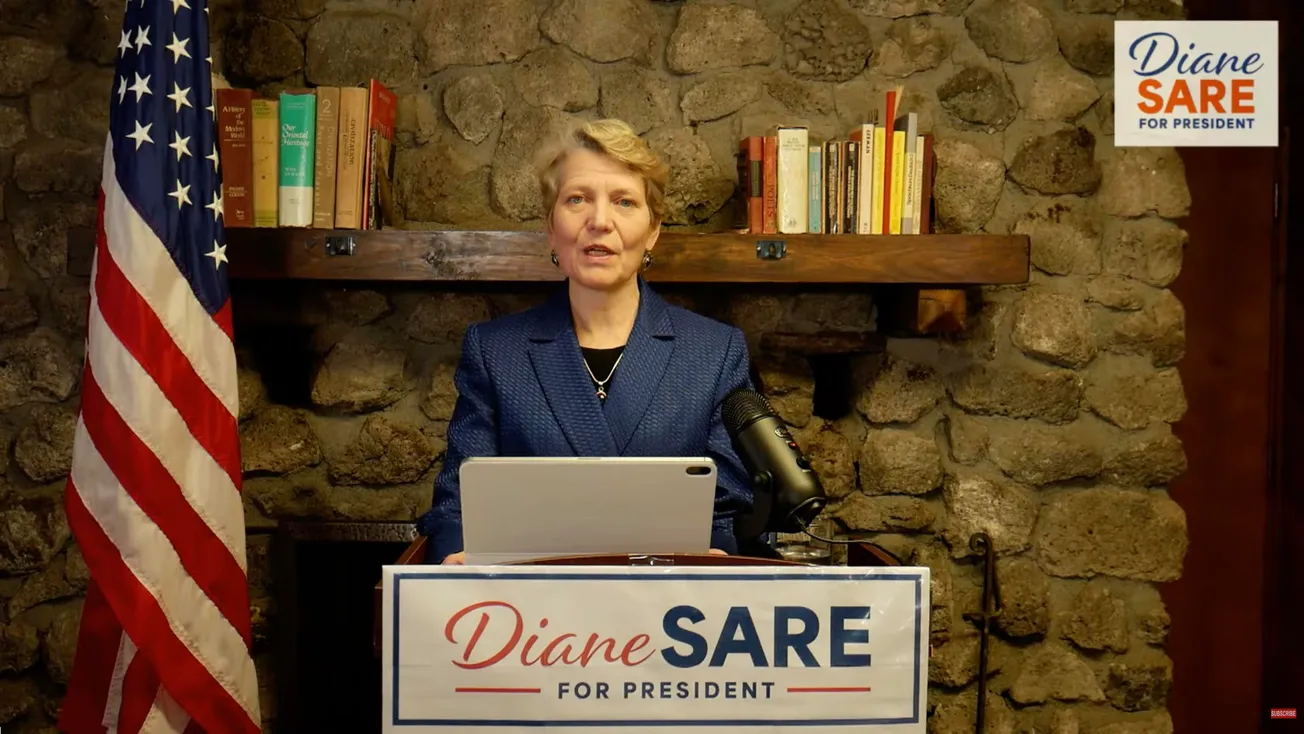
So what exactly is the problem, and where is the remedy? LaRouche independent candidate for U.S. President Diane Sare puts it this way in her statement honoring King: “The reason we are hurtling toward the inglorious end of our species in a nuclear war is not because of the Kristi Noems, Donald Trumps, or Joe Bidens of the world, and it is certainly not because of President Putin or Xi Jinping.
“We are lurching toward doom because your neighbors (and perhaps even you) won’t stand up against popular opinion.”
The problem, then, is not simply “bad leaders,” but a population trained to accept the axioms of geopolitics and a bestial view of mankind.
But the LaRouche movement is standing up, and pointing the way forward. Sare’s campaign is a focal point in providing U.S. leadership. And internationally, Executive Intelligence Review (EIR), founded by Lyndon LaRouche and now headed by Helga Zepp-LaRouche, has convened serious voices from across the globe to sculpt a new international platform for peace through development—most recently in its [Jan. 12 roundtable](moral and intelligent ). Its action outcomes will be advanced in the days ahead as an urgent intervention into a rapidly deteriorating strategic crisis.
Can a new paradigm be created in time? Will you act today? “We are now faced with the fact, my friends, that tomorrow is today,” said King. “We are confronted with the fierce urgency of now. In this unfolding conundrum of life and history, there is such a thing as being too late.”
Let us not be too late.