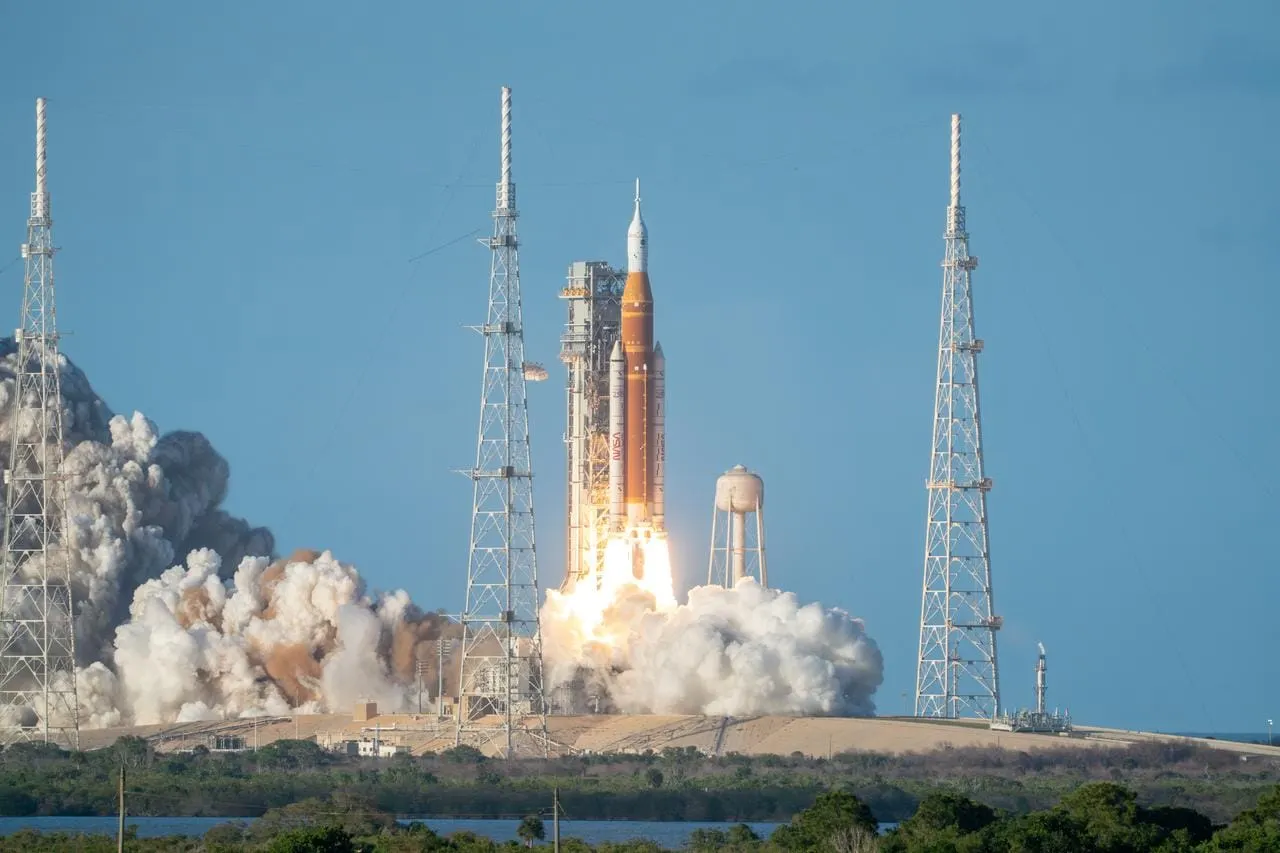

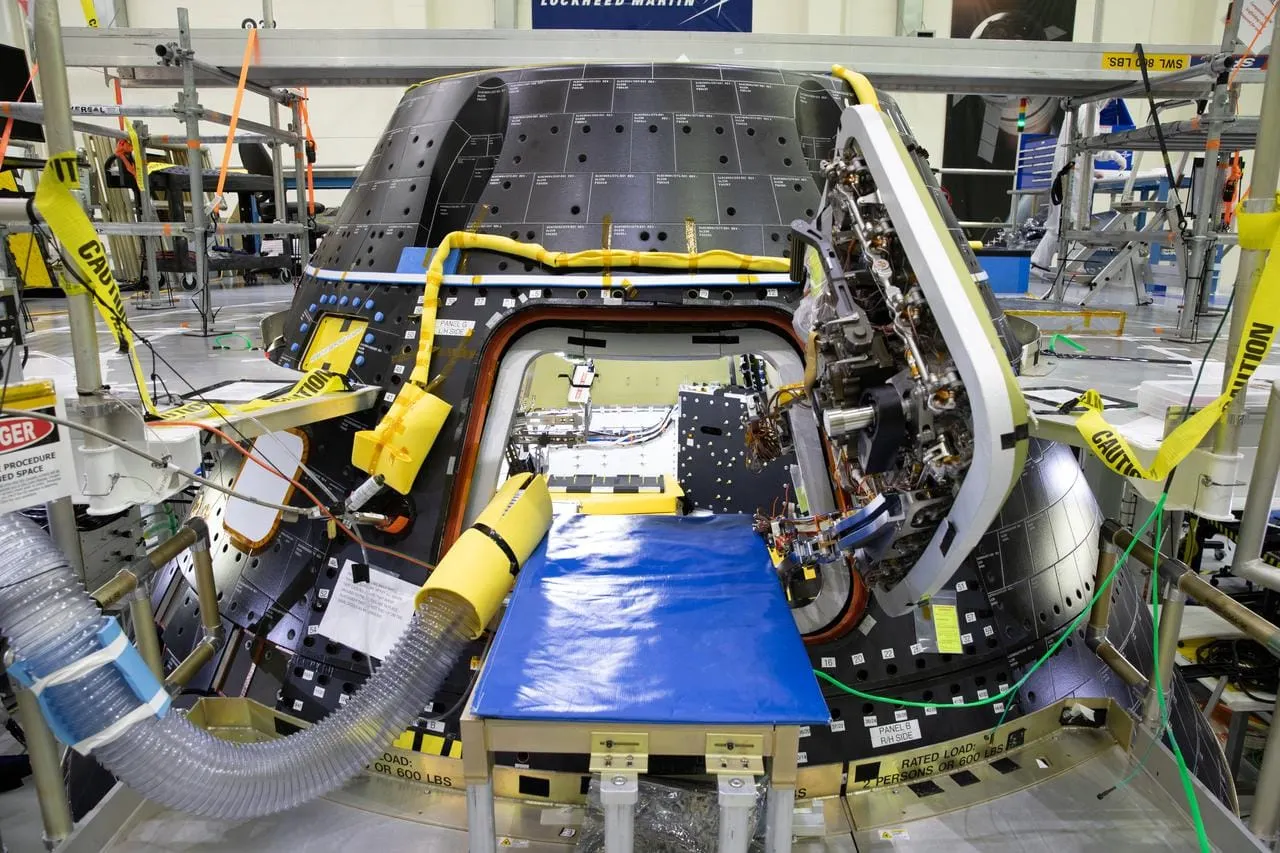
For the first time in more than 50 years, human beings will be orbiting the Moon as part of the Artemis II test flight. This will be NASA’s first crewed mission under Artemis. According to the NASA website, “The SLS rocket will launch the Orion spacecraft and its crew into space with a set of research and flight objectives to meet. Many of these will be completed as Orion flies two elliptical orbits around Earth to ensure Orion’s systems are working as expected before committing to a trip around the Moon. At the beginning of a 24-hour highly elliptical orbit, the crew will take control of Orion for about two hours while mission control monitors from Houston, executing targeting maneuvers to gather performance data and experience to prepare for Artemis III operations. The remainder of the orbit will be spent checking out the Orion environmental control and life support system—one primary aim for the mission.
“The Artemis II crew will travel approximately 4,700 miles beyond the far side of the Moon, evaluating their spacecraft’s performance, practicing emergency procedures, and testing the radiation shelter. From their unique vantage point, the crew will see Earth and the Moon from Orion’s windows, with the Moon close in the foreground and Earth nearly a quarter-million miles in the background. The mission is expected to last approximately 10 days. The spacecraft will rely on gravity to be pulled home, re-entering Earth’s atmosphere at 30 times the speed of sound and splashing down in the Pacific Ocean.”