Here is the speech of Russian historian Dmitri Trenin to the EIR Emergency Roundtable “It’s Worse Than You Think: The Strategic Implications of the Attack on Venezuela and How To Bring the World Back from the Brink.”
DMITRI TRENIN: Thank you very much, Mr. Chairman. First of all I want to thank the organizers for inviting me to this very important discussion. I’ve just heard the larger part, I think, of Ambassador [Chas] Freeman’s presentation, and I commend him on the thoughtfulness of his remarks. I must say, however, that I take a much bleaker view of where we are and where we’re moving to. There’s no question in my mind that the world is in crisis; that is a functional analogy of a world war. There are wars around, they do not qualify as one great world war, but functionally we’re talking about the use of force, and the use of other means other than military arms to change the existing world order, or to prevent that change. I think that instability is the key feature of the current moment, and wishing otherwise is clearly commendable, but hardly realistic. The polycentric world is already a reality, but a multipolar order is not within reach. I think that nations, states, other actors will have to fight it out, will have to fight hard, and they are, even today, trying very hard and fighting hard, in order to ensure that the new international global, or world set-up, meets their requirements, and protects or promotes their interests.
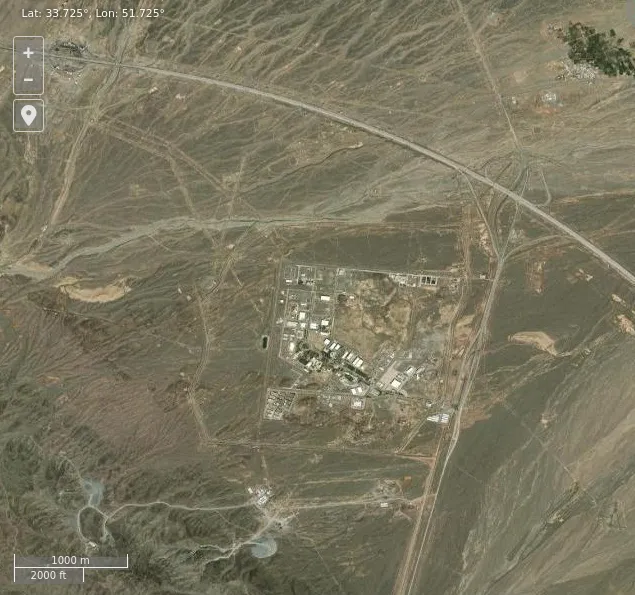
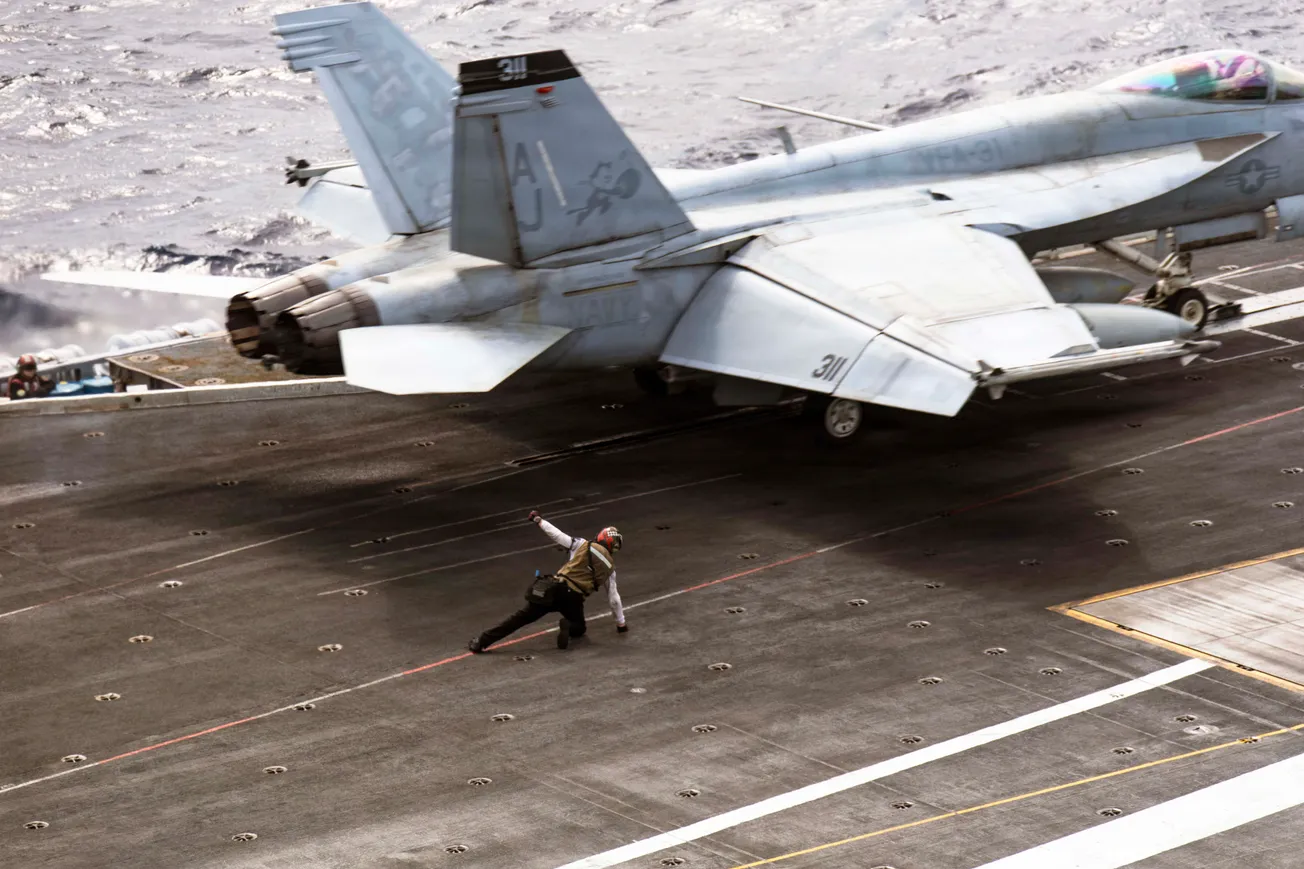
We are taking part in an emergency meeting—emergency discussion—that was provoked by the action in Venezuela, but I’m asking myself, “Is this truly a total novelty?” I think that the action that Israel and the United States took, slightly more than six months ago with regard to Iran, was a much more stunning example of what war could look like in the 21st century. What happened in Venezuela just a few days ago was a very light version of that new style of using force to reach political goals. I think that the advent of Donald Trump, although it did severely impact the international system, and changed accents and priorities in America’s foreign policy, is still aimed at the goals that U.S. foreign policy has been following since the Second World War. So I do not see that there’s much novelty there either. Well, the liberal globalist collective West is no longer with us today. Thanks to Donald Trump, it is more of a great power American drive to establish itself as the prime force in the world. It’s, if you like, hegemony without the responsibility that American leaders felt for the various elements of their empire since 1945. It is an important change, and I think it’s more important for American allies than it is for American adversaries. But it’s really a variation of the policies that we’ve been familiar with in the past eight decades.