Over the past few days, an offensive by the Al Nusra “interim” Syrian regime of Ahmad al-Sharaa in Damascus has driven the Kurdish-led Syrian Democratic Forces out of the al-Ashrafiyah and Sheikh Maqsoud neighborhoods on the outskirts of Aleppo and out of wide swaths of territory in Raqqa and Deir Ezzor provinces, leaving it only with Hassakah province in the northeast.
A day after the SDF agreed to quit large areas under a ceasefire, the sides reported new clashes. The Syrian army said “a number of” Islamic State militants had escaped a prison that had been under SDF control in the eastern city of Shaddadi, accusing the SDF of releasing them, reported Reuters. The SDF claimed it had lost control of the prison following an attack by government fighters. The Syrian army denied attacking the jail and said its forces would work to secure the prison and re-arrest the escapees.
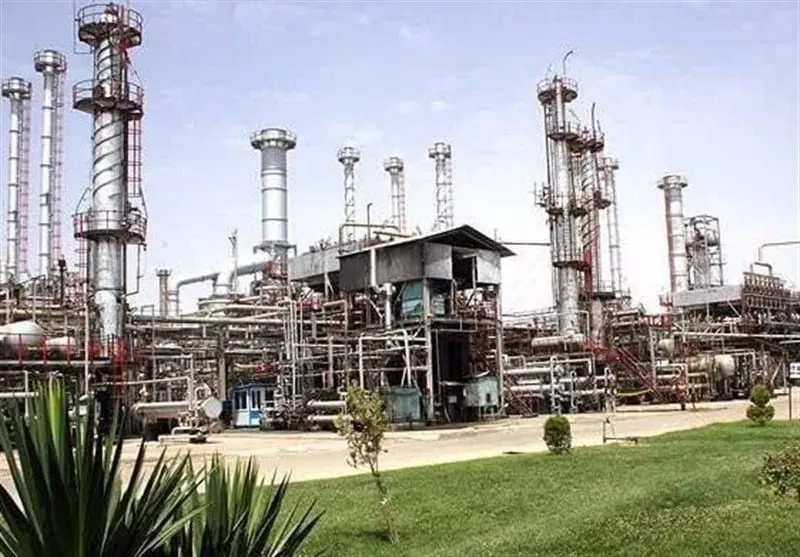
After days of fighting with government forces, the SDF agreed on Jan. 18 to withdraw from both Raqqa and Deir al-Zor, two Arab-majority provinces they had controlled for years and the location of Syria’s main oil fields. Türkiye, which has repeatedly sent forces into northern Syria to curb Kurdish power since 2016, welcomed the deal signed by its ally al-Sharaa and SDF commander Mazloum Abdi.
The 14-point deal requires that SDF forces be merged with government forces as “individuals” rather than units, as the SDF had sought.
According to Middle East Eye, the defeat of the SDF is a “strategic win” for Türkiye, which has always backed the Al Nusra takeover of Syria and regarded the SDF as nothing more than the Syrian-branch of the Kurdistan Workers’ Party (PKK). It appears that Türkiye had the full support of the Trump Administration as well. “We’re fully on the same page with the Americans on Syria,” Foreign Minister Hakan Fidan reportedly told colleagues during a closed-door meeting in Ankara, after returning from Washington last November. Though his visit was kept low key, Fidan was at the White House at the same time U.S. President Donald Trump was hosting al-Sharaa and may have participated in the meeting.
Fidan told his colleagues after the meeting that he and the Americans had gone through the Syria file “map by map,” exchanging views and addressing Turkish concerns point by point, eventually reaching what he described as a clear understanding on key issues.
That understanding, MEE says, has since been on full display on the ground.
However, things may not be so settled in Syria, given reports that the Jan. 19 meeting between al-Sharaa and Abdi did not go so well. Foza Alyusuf, a senior member of the ruling Kurdish Democratic Union Party (PYD), told Rudaw News that the interim government wants the Kurdish-led Democratic Autonomous Administration of North and East Syria (DAANES) to “hand over all authority” and “for Rojava [the Kurdish name for northeast Syria—ed.] to return to its pre-2011 status” before the outbreak of the Syrian uprising. She added that Damascus wants the Kurdish-led administration to “dismantle its institutions” and is “opposed to the Kurds gaining their rights.”
Alyusuf also asserted that the majority of armed groups attacking the Kurdish-led Syrian Democratic Forces in Rojava are Islamic State (ISIS) militants. Nonetheless, she asserted that “surrender is not an option” and that “the only option is resistance.”