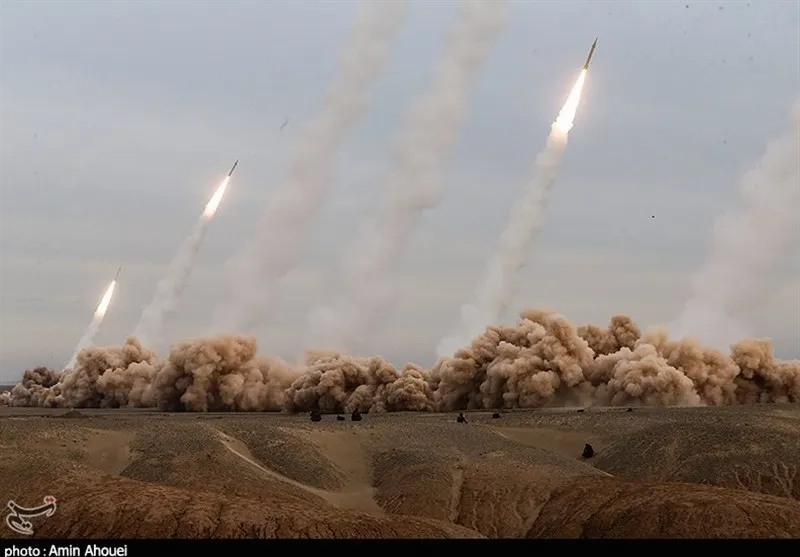

Every day brings a new headline seemingly designed to jolt the public into a state of permanent alarm: ICE shootings and new discussions with Minnesota officials, the USA’s “big armada” parked off Iran, a self-anointed American regency over Gaza, and a homely form of totalitarianism that could be called “apple pie fascism.” The tumult is real. But it also keeps the public staring at the fireworks while the fuse burns down beneath the floorboards.
That fuse is the trans-Atlantic financial system itself. The stress is no longer theoretical: Japanese bond yields lurching upward, the yen carry trade wobbling, the dollar slipping to a four-year low, and gold soaring higher—about 20% since the year began, with more than half of that surge packed into the last ten days. This is the elephant still in the room. When the monetary plumbing starts to shake, the temptation among the custodians of a failing order is to substitute force for solvency—diplomacy replaced by diktat, economics replaced by coercion, law replaced by “might makes right.”
The Ukraine story illustrates this dynamic in a more complicated, more revealing way. Washington is reportedly now bluntly informing Ukraine that any meaningful U.S. security guarantees, and even additional weapons, depend on Kiev acknowledging the territorial reality on the ground, including withdrawal from the remaining Ukrainian-held portion of Donbas. This insistence on reality points in the right direction: progress is made when facts are faced, not when they are denied. To pretend that borders can be restored by escalation alone is to guarantee a longer war and a more thoroughly ruined Ukraine. Zelenskyy, constrained by internal political survival and pressure from his “Coalition of the Killing,” insists the guarantees are “100 percent ready,” even as Washington signals that no such commitments are automatic or open-ended. The message is blunt: Ukraine must recognize reality.
And the same posture appears elsewhere in the report: a leaked blueprint for a U.S.-centered “Board of Peace” to rule Gaza with “all transitional legislative and executive authority” vested in an executive board; a U.S. National Security Strategy read by Chinese analysts as tactical retrenchment without abandoning hegemony; an administration openly gaming escalation against Iran while talking about having talks. The pattern is unmistakable: When legitimacy thins, power stages itself—through emergency, through conditional arrangements that offer security only in exchange for compliance with a collapsing order.
There is an alternative to the panic-cycle, and it begins with naming the actual emergency: not only the wars and the raids and the “rules” torn up in Brussels, but the systemic meltdown of a financial order severed from the real economy. That is why the Declaration of January 12 matters as a guiding principle: It refuses the hypnotism of one crisis at a time, and insists that the only durable escape is a new security and development architecture—rooted in law, sovereign dignity, and a physical-economy reorganization, not imperial police actions and monetary shell games.
“Let us create a movement of world citizens,” the declaration concludes—not as a slogan, but as a practical intervention: Convene an international movement of citizens and leaders, build development corridors, oppose piracy and kidnapping and genocide, reorganize finance toward national banking and a payments system for real production, revive the best traditions of cultures, and cultivate new methods of thinking capable of breaking the logic of doom.