“The political foundation for durable peace must be: a) The unconditional sovereignty of each and all nation-states, and b) Cooperation among sovereign nation-states to the effect of promoting unlimited opportunities to participate in the benefits of technological progress, to the mutual benefit of each and all.
“The most crucial feature of present implementation of such a policy of durable peace is a profound change in the monetary, economic, and political relations between the dominant powers and those relatively subordinated nations often classed as ‘developing nations.’ Unless the inequities lingering in the aftermath of modem colonialism are progressively remedied, there can be no durable peace on this planet.
“Insofar as the United States and Soviet Union acknowledge the progress of the productive powers of labor throughout the planet to be in the vital strategic interests of each and both, the two powers are bound to that degree and in that way by a common interest. This is the kernel of the political and economic policies of practice indispensable to the fostering of durable peace between those two powers.”
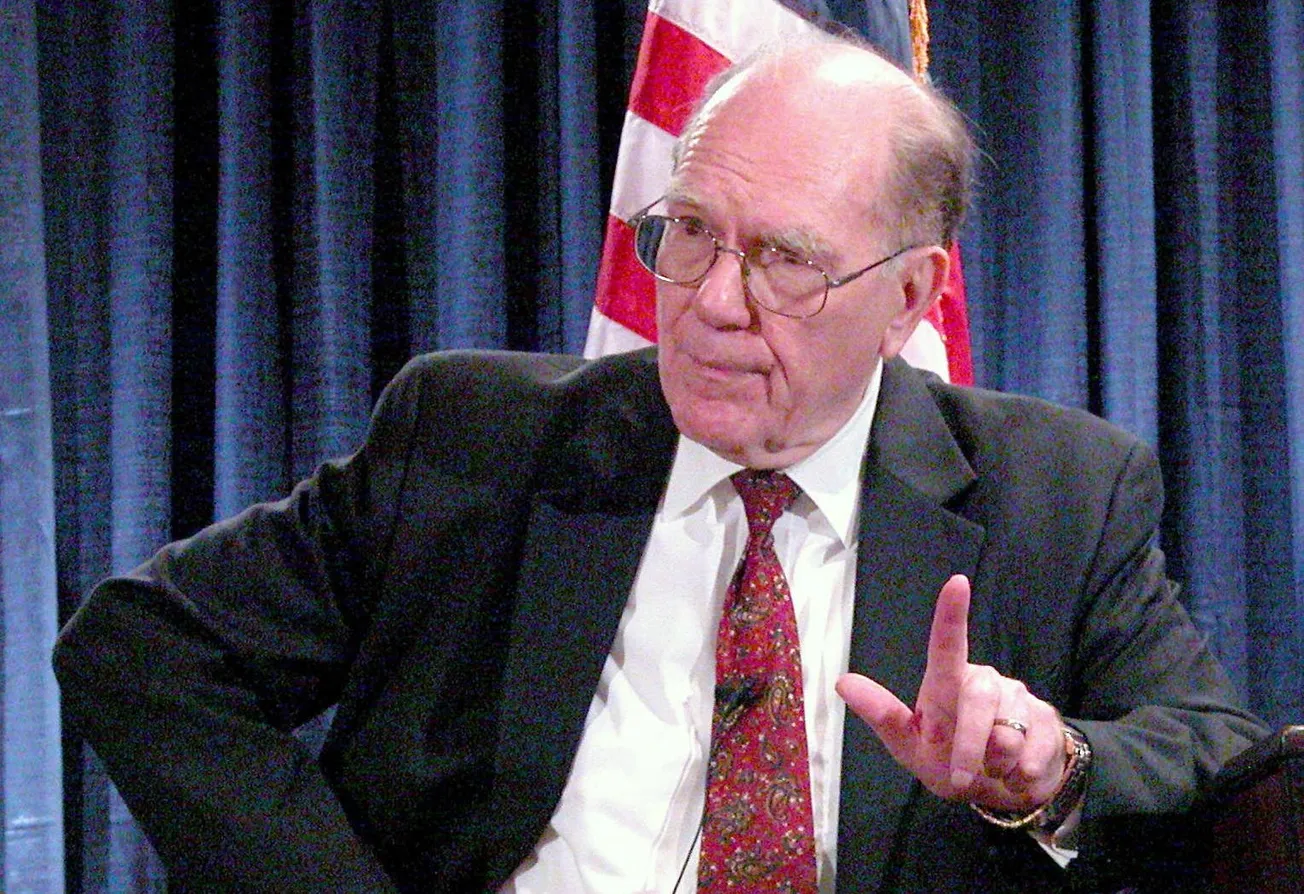
So wrote Lyndon LaRouche on March 30, 1984, in a document he titled: “The LaRouche Doctrine: Draft Memorandum of Agreement between the United States of America and the U.S.S.R.”
Would that the LaRouche Doctrine had been implemented over the last four decades! The world would be a different place today. Instead, in the opening days of 2026, the exact opposite policy governs the Western world in its relations with Russia and the Global South. On Dec. 29, 2025, NATO-backed forces in Kiev launched a massive drone strike on the home of Russian President Vladimir Putin in the Novgorod region, which was intended to assassinate President Putin. Russian military authorities have handed over to the United States the physical flight recorders from those drones which prove both the target and intent.
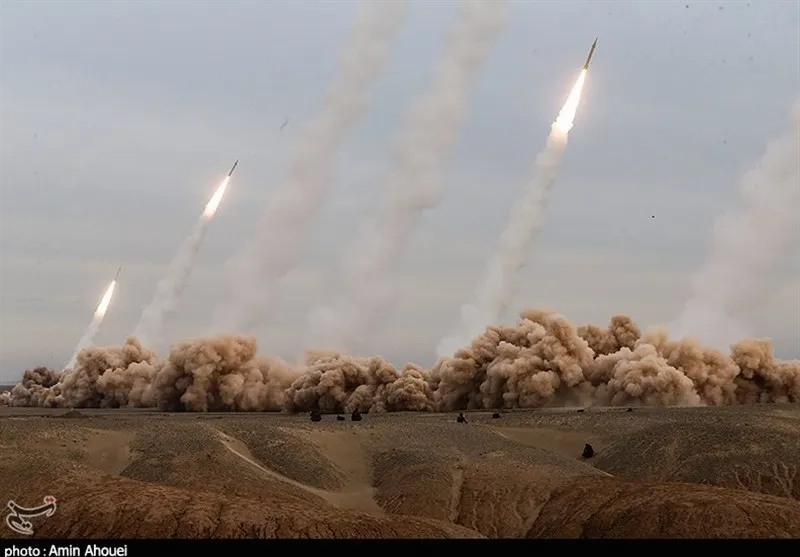
The drone attack was far more than an effort to disrupt the encouraging peace talks between Putin and Trump over Ukraine, as some analysts have argued. It was an overt attempt to cross Russia’s nuclear trip-wire, to launch a “decapitation strike” which, under their scenario, would force Russia to respond with what they think would be a tactical nuclear attack on the West, but which in reality would rapidly escalate to full nuclear war.
Then on Jan. 3, 2026, the Trump administration launched a military assault on Venezuela; kidnapped its President, Nicolás Maduro, and his wife; and spirited them away to face drug charges in the Southern District of New York. President Trump was brazen in his comments to the media: the U.S. intends to stay and directly run Venezuela indefinitely; the U.S. will seize Venezuela’s oil reserves (the largest in the world) and extract payment for the 1976 nationalization of oil; and he warned that the same would happen to other nations if U.S. demands are not fully met.
Trump complained that Venezuela had been hosting “foreign adversaries” of the U.S.—both China and Russia have substantial economic agreements with Venezuela—and that such adversaries would henceforth be violently excluded from “our home region,” as proclaimed in the Dec. 4, 2025 U.S. National Security Strategy document.
“This is a complete breakdown of international order, of any sense of legitimacy,” Helga Zepp-LaRouche warned today. This means that the law of the jungle will be applied all around the world. She said that this Venezuelan atrocity should be analyzed together with other key features of the global situation: the NATO-led attacks on Russia; the genocide in Gaza; the attack on free speech, such as the EU’s Jacques Baud case; the utter lawlessness that has been introduced to international relations. Only in that way does the real picture come into focus.
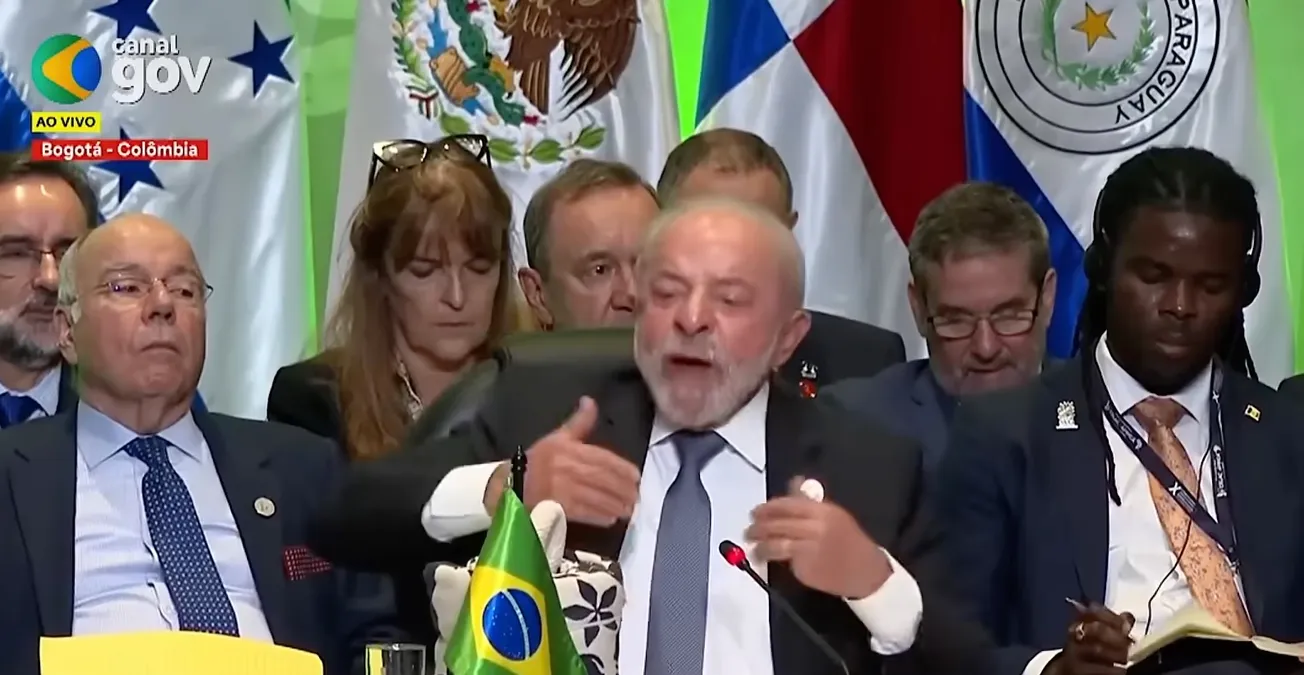
The Venezuela treatment can now be meted out anywhere, she warned, to any government or group that is “uncooperative” with the demands of the City of London and Wall Street. Brazil, Colombia, Mexico, Cuba, Iran and others could be immediate targets, while China and Russia are the ultimate prize.
The insanity must be reversed—while it is still possible to do so. Zepp-LaRouche has called for an international mobilization to stop the current U.S. plan to base intermediate range, nuclear-capable missiles on German soil in the course of 2026—a provocation which Russia has repeatedly denounced as lowering the threshold of nuclear war to a matter of mere minutes. And the U.S. must be brought to its senses in the first months of 2026—the year of the 250th anniversary of its independence—with the crucial assistance of the LaRouche movement’s reinvigorated electoral campaigns, including Diane Sare’s announcement today: “Will the United States Survive Its 250th Year? Why I Declare My Candidacy for President of the United States of America Now.”