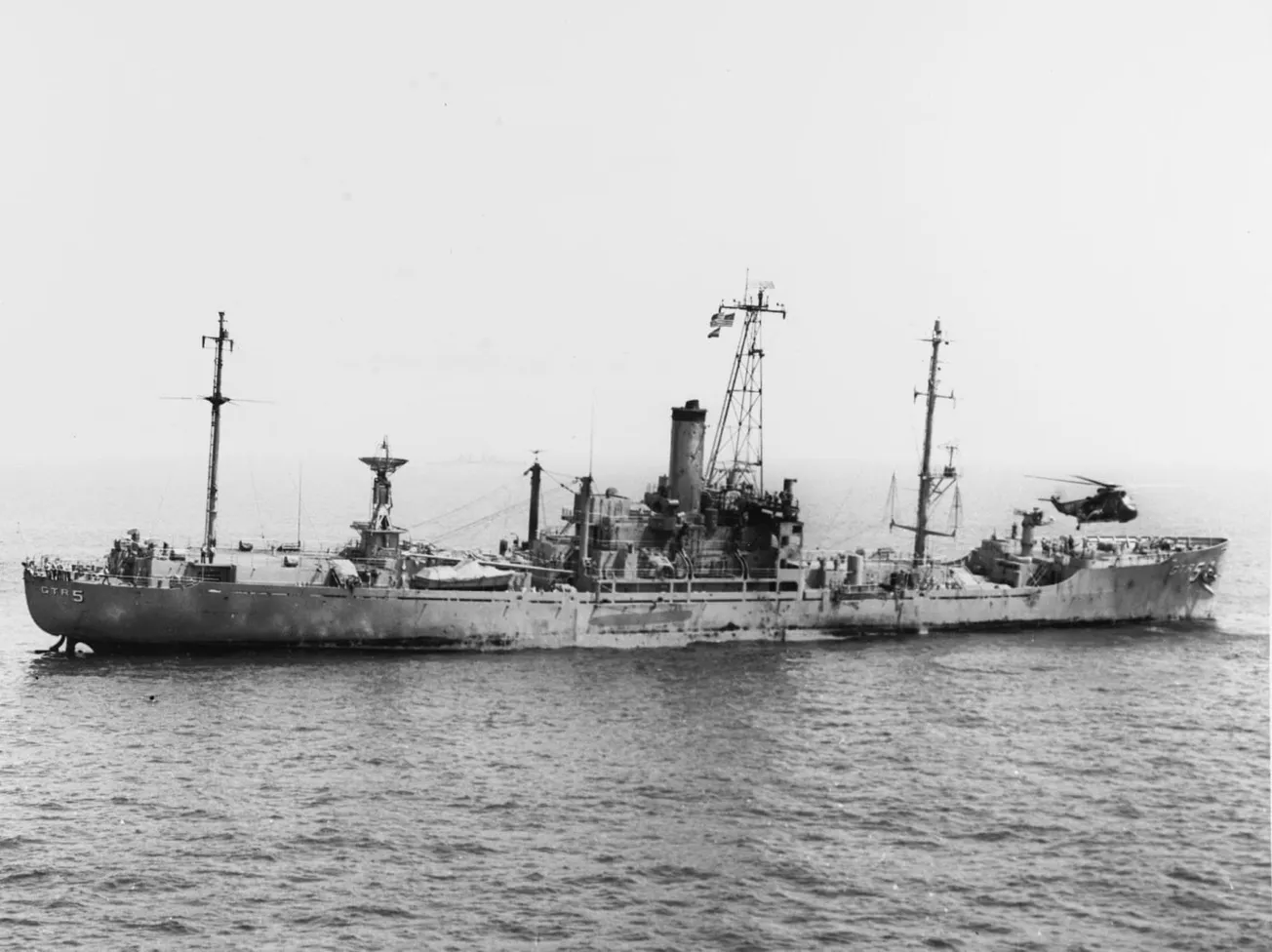

Bloomberg reported Feb. 20 that a tanker named Sea Horse is heading towards Cuba, “likely carrying nearly 200,000 barrels of gasoil” aboard, with possible arrival by early March. This, Bloomberg wrote, would be “putting U.S. President Donald Trump’s sanctions to the test.” Bloomberg cited the maritime intelligence firm Kpler Ltd. as its source for its story, which included the report that the Sea Horse had received its supplies in a ship-to-ship transfer off the coast of Cyprus.
Gasoil is a diesel-type fuel used primarily in heating systems and transportation, which Cuba most urgently needs. Cuba has been unable to import oil from any source since Jan. 29, when U.S. President Donald Trump issued his Executive Order (EO) declaring the nation of Cuba to be such “an unusual and extraordinary threat … to the national security and foreign policy of the United States” that “it constitutes a national emergency.” Under that emergency, Trump ordered that U.S. tariffs be slapped on imports of goods from any nation caught providing oil, directly or indirectly, to Cuba.
That threat quite effectively blocked shipments from Mexico, which had become the principal supplier of oil to Cuba after Venezuelan supplies were cut off by the U.S. armada in the Caribbean even before the Jan. 3 military intervention. Mexico sells 80% of all its exports of goods in the United States and could not afford more tariffs.
A new wrinkle has emerged. The legal grounds on which the EO’s tariff warfare is based is the International Emergency Economic Powers Act (IEEPA)—grounds now declared unconstitutional by the U.S. Supreme Court.
On paper, that should end the U.S. fuel strangulation of Cuba, as no U.S. blockade has officially been declared against Cuba. However, the New York Times reported Feb. 20, before the Supreme Court decision was known, that the U.S. Navy was de facto imposing a blockade, chasing away, for example, a Colombian tanker approaching Cuba in mid-February, even as outrage rises around the world at the mass murderous results of this de facto blockade.Feb. 24, 2026 (EIRNS)—Bloomberg reported Feb. 20 that a tanker named Sea Horse is heading towards Cuba, “likely carrying nearly 200,000 barrels of gasoil” aboard, with possible arrival by early March. This, Bloomberg wrote, would be “putting U.S. President Donald Trump’s sanctions to the test.” Bloomberg cited the maritime intelligence firm Kpler Ltd. as its source for its story, which included the report that the Sea Horse had received its supplies in a ship-to-ship transfer off the coast of Cyprus.