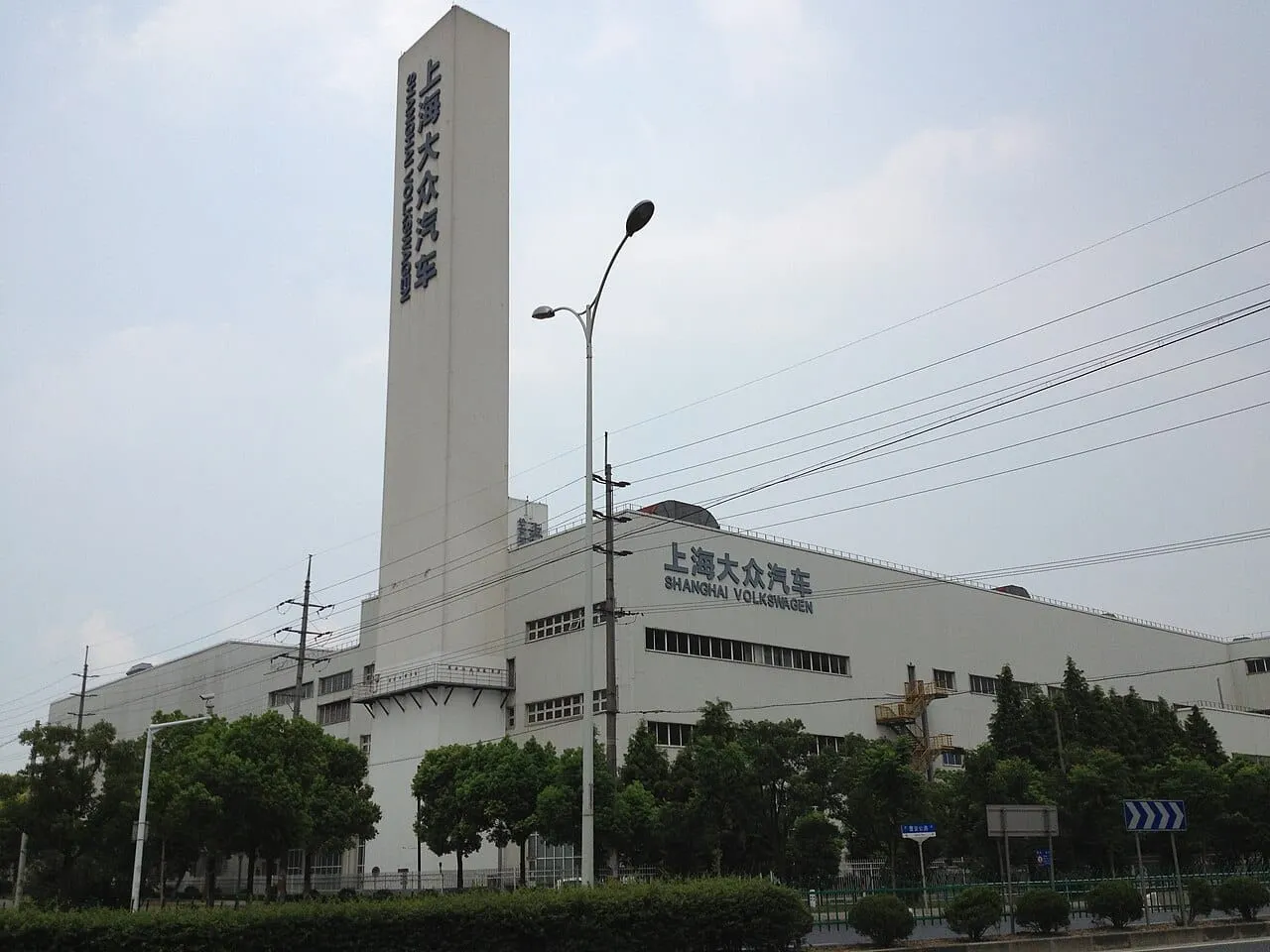
German Chancellor Friedrich Merz will travel to the People’s Republic of China over Feb. 24-26, with talks planned in Beijing and Hangzhou. He will be accompanied by a delegation of about 30 leading CEOs of German industry—this alone being an indicator of the strong interest of companies in China, which is characterized by visibly increased direct investments in 2025. The €7 billion of new investments show that industry’s answer to the EU Commission’s “de-risking” strategy is not a pullout from China, but increased production right there. Geopolitically motivated institutions with strong sinophobe views like the Berlin MERICS and the Gütersloh Bertelsmann Foundation are nervous about the Merz trip and have tried urging Merz and the delegation not to walk into the trap of an alleged “Chinese charm offensive,” but to keep their distance. But industry’s intent not to have frictional trade war and to instead expand cooperation with Chinese companies implies the potential of a positive and constructive perspective for German-Chinese economic cooperation. That includes the option of having joint ventures, that also produce for exports to third countries.
The CEOs accompanying Merz include, among others: Bill Anderson, Bayer; Oliver Blume, Volkswagen; Roland Busch, Siemens; Björn Gulden, Adidas; Ola Källenius, Mercedes-Benz; Carsten Knobel, Henkel; Tobias Meyer, DHL; Bettina Orlopp, Commerzbank; Oliver Zipse, BMW; Markus Steilemann, Covestro; Hubertus von Baumbach, Boehringer Ingelheim; and Lars Wagner, Airbus. According to information from Handelsblatt, interest from the business community in participating in the trip was significantly greater than the number of places available.