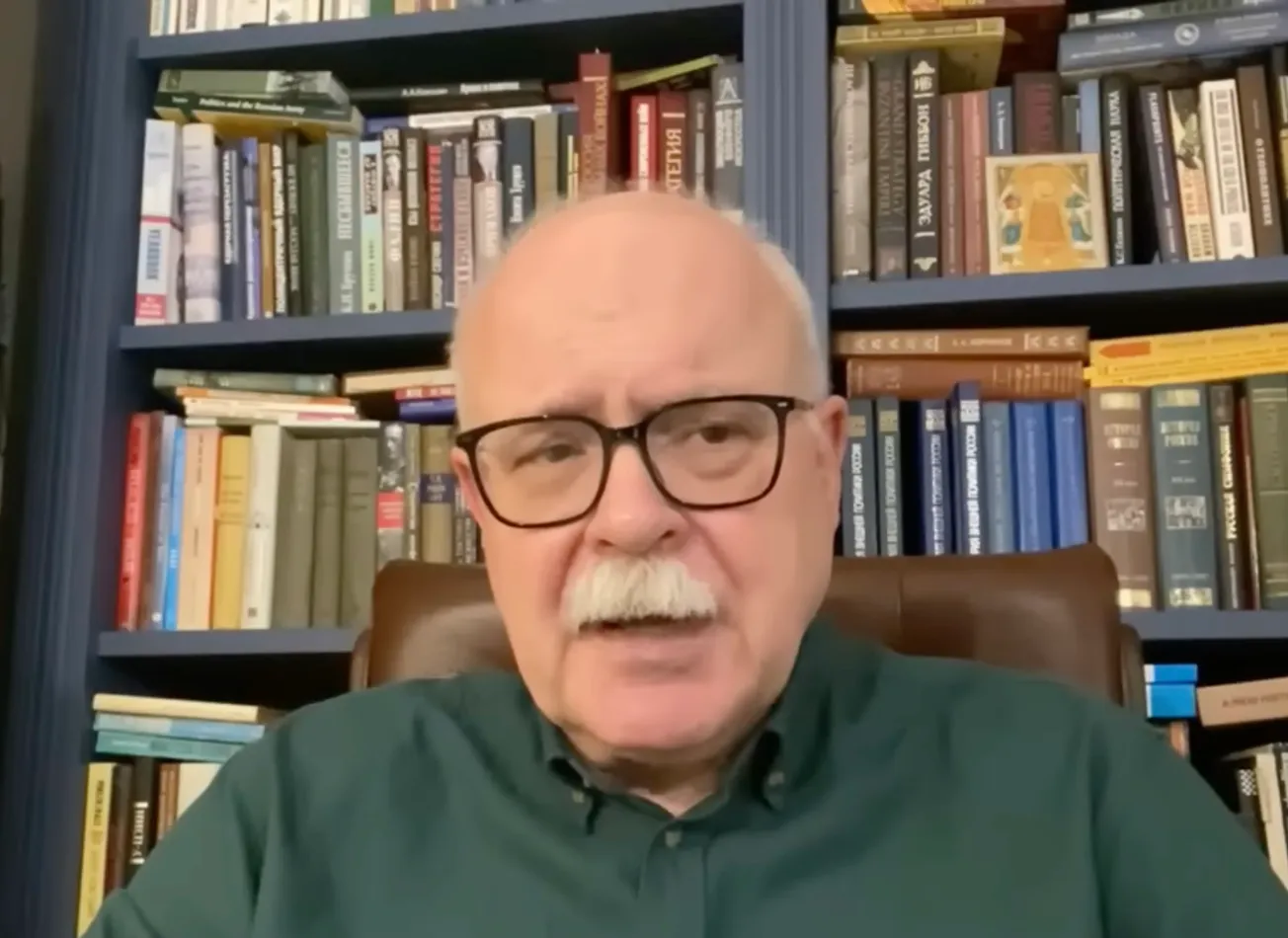
In an article published in RT on Feb. 5, the day the New START Treaty expired, veteran Russian strategic analyst Dmitry Trenin presented a grim evaluation of the state of world affairs, and of U.S.-Russian relations in particular. Under the headline “Strategic Stability Now Rests on Fear; Arms Control Is Finished, Now Comes the Real Nuclear Order,” Trenin noted that, “while this symbolically closes a 50-year chapter of nuclear arms control, in practice the era of meaningful Russian-American negotiations in this sphere ended long ago.” He recalled that “in spring 2022, while New START was still formally in force, the U.S. openly declared its aim of inflicting a strategic defeat on Russia in the Ukraine proxy conflict.”
For Trenin, the bottom line is simple: “In the 21st century, strategic stability … depends above all on the absence of incentives for major powers, especially nuclear ones, to fight.” Although he nowhere mentions the doctrine of Mutually Assured Destruction (MAD) by name, Trenin’s argument is that it remains the only thing standing between the world and thermonuclear extinction: “Yet the core remains unchanged from half a century ago. Strategic stability ultimately rests on credible nuclear deterrence: a sufficient arsenal and the demonstrated readiness to use it if necessary. Intimidation, however uncomfortable the word may be, remains the foundation of peace among nuclear powers.”
Trenin, who is Director and Academic Supervisor of the Institute of World Military Economy and Strategy at the HSE University in Moscow, was a leading speaker at the Jan. 12 EIR Emergency Roundtable “It’s Worse Than You Think: The Strategic Implications of the Attack on Venezuela and How To Bring the World Back from the Brink,” and one of the initiating signers of the “Declaration of January 12: Let Us Create a Movement of World Citizens!”