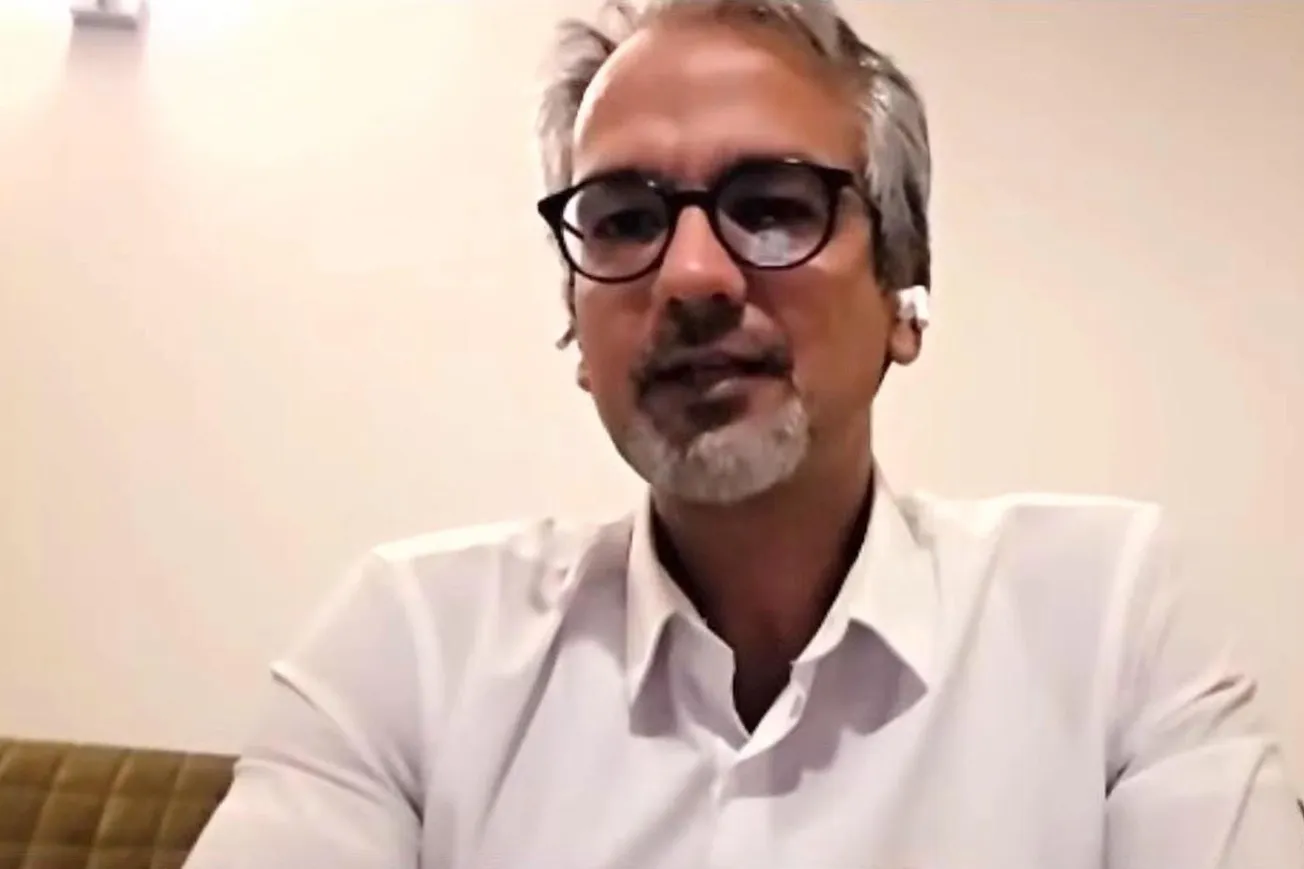
The following is an edited transcript of the March 18, 2026 EIR interview with Dr. Mostafa Maleki. Dr. Maleki is the Press Attaché of the Iranian Embassy in Germany. The interview was conducted by EIR Editor-in-Chief Helga Zepp-LaRouche. Subheads have been added. The video is available here.
Helga Zepp-LaRouche: Good evening. I am delighted to welcome you. My conversation partner today is the Press Attaché of the Embassy of Iran, Dr. Mostafa Maleki. I am very pleased that we can now talk, because it is important for the people in Germany, in this extremely tense situation, to hear the views of the other side in this unprovoked war of aggression against their country. And therefore, I am glad to welcome you today. And yes, first of all, a very good day to you.
Dr. Mostafa Maleki: Yes, good evening. Thank you very much for the opportunity. I am delighted.
Zepp-LaRouche: Today’s news is, as it has been for almost three weeks now, extremely dramatic. So, let’s start with the better news: The head of the National Counterterrorism Center in the U.S. administration [of President Donald Trump], a man named Joe Kent, has resigned. He did so, justifying his resignation by saying he could no longer support [the administration], because Iran did not pose a threat to the U.S.A. So, he has now resigned from all his duties. Actually, isn’t that a small ray of hope, that there are people in the U.S. administration whose conscience tells them not to participate in this war any longer? How do you assess that?
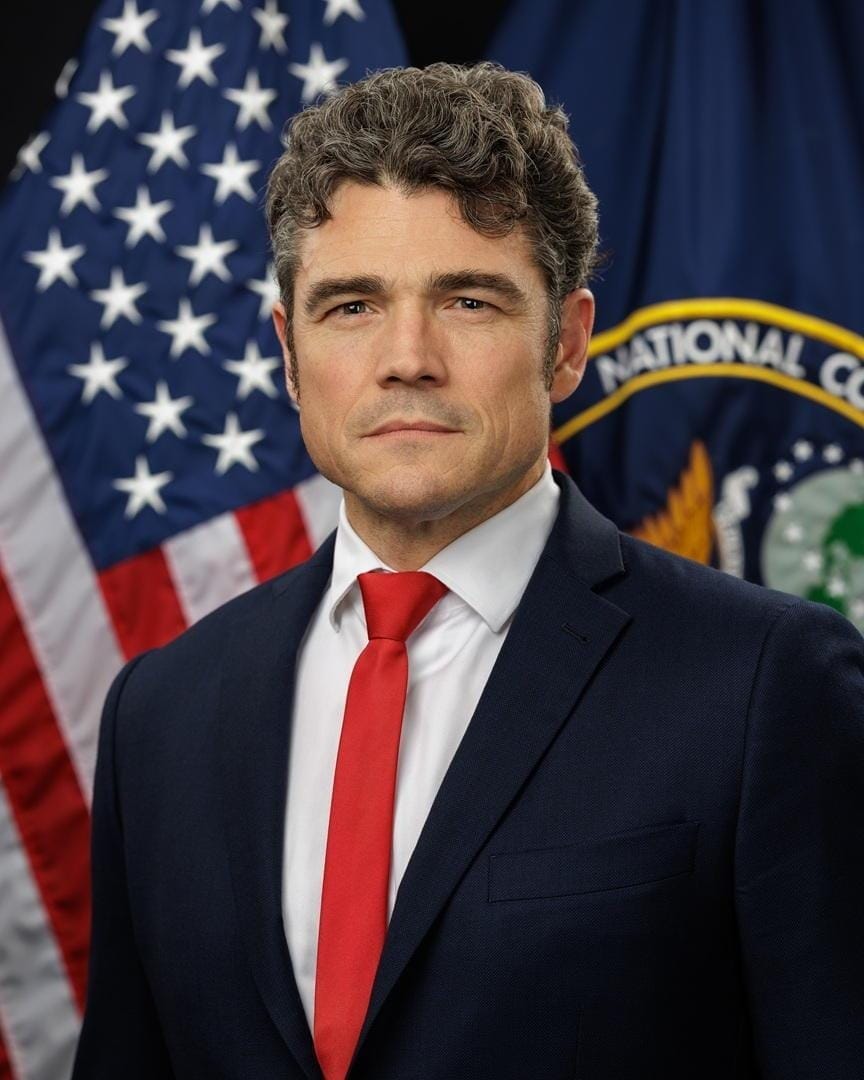
Dr. Maleki: Yes, we also learned about this case, this resignation, this afternoon. And it shows once again that this is about a war of aggression that many, many people in the world, including in political circles, do not want to support, or are also not willing to remain silent about. This example from the U.S.A. is, of course, an even stronger signal, an even stronger sign, that can now also give many other politicians the courage to clearly express their opinion, their stance, and say we are not for this war of aggression—and that it is about a war of aggression for which there were absolutely no reasons, no mandate from the UN, and which is illegal.
Let me briefly explain where we are now: This evening is a special evening; in normal times in Iran, it would be an evening of great joy. We are just before the Iranian New Year, which is Nowruz. Everyone in Iran, regardless of region, regardless of religion, regardless of political views, we celebrate Nowruz on a very, very large scale.
Solidarity in Self-Defense of the Nation
This year, of course, everything is different, because we are now in the middle of a war, a war that took place in the middle of Ramadan—meaning in the middle of the fasting month of Ramadan—this aggression against our country. And now we are just before the end of Ramadan and, of course, just before the beginning of the new year, and the mood this year would have been very, very different in normal times. You know, the end of Ramadan is something to celebrate; and also, the beginning of the new year in Iran is an extra celebration. But right now, everything is different. Nevertheless, if you look at the streets in Iran, you see this solidarity, you see this unity. People are trying, on a smaller scale within their families, to somehow spend this time and somehow support the military, which is now defending the country in self-defense.
Zepp-LaRouche: President Trump had war goals: He wanted a lightning war [Blitzkrieg], a quick intervention, regime change; he wanted unconditional surrender; he wanted the Iranian nuclear program to be effectively eliminated; he wanted the missile program eliminated. And one has to note, in the third week of the war, that he has achieved none of these war goals. On the contrary, the U.S.A. is actually facing absolute ruin. The consequences will probably become clearer in the coming days and weeks, but it is already completely clear now—the U.S.A. has not won this war. And Iran, I estimate, has had to endure enormous sacrifices, but obviously, it was a complete miscalculation.
And of course, that is not exactly a glorious page in the reputation of the U.S.A., because it's had a long series of military defeats: Vietnam, Afghanistan, Iraq, actually Ukraine too, and now Iran. That means it will, of course, enormously burden the military reputation of the U.S.A. But I think even more so, it is truly a moral defeat, because to disregard international law in the way the U.S.A. has done, especially since the beginning of this year—and previously, too, but especially since the beginning of this year—I believe that will be a lasting defeat. I don’t see how that could be easily repaired. So how do you assess that?
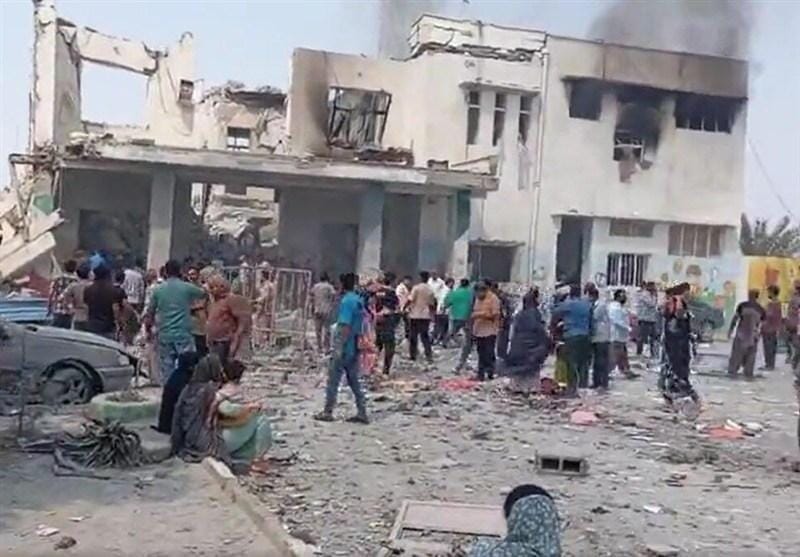
Dr. Maleki: So we, at least we Iranians, I can say now, we did not want this war, and of course, we are not happy that now many Iranians, many of my fellow citizens in Iran, are under massive bombardment from various sides. Civilians are being hit. A very well-known case is the Minab elementary school. This elementary school, which was bombed two weeks ago—I think we are now on the 17th day of this war of aggression—unfortunately, 175 children, mostly girls, were murdered. And of course, many hospitals, many houses, many refineries, and so on, many facilities, civilian infrastructure were destroyed. Therefore, of course, you cannot say, “yes, this war is nice, or good,” and so on. No one says that, and we did not want this war, and we did not start this war either.
This war was started by the Americans and Israelis, and then we, of course, had to defend ourselves, according to the principles of international law enshrined in the UN Charter. And this defense will continue. And I think what you also mentioned now, regarding the illusion or these miscalculations that were made, is because perhaps they compared Iran or Iranians with other countries. But there is a huge difference between the capacities and the strength that Iran can show, and is showing, compared to other countries. And above all, I must emphasize again, this solidarity and this support that we are currently seeing from the Iranian population, who stand behind their military and massively support this self-defense.
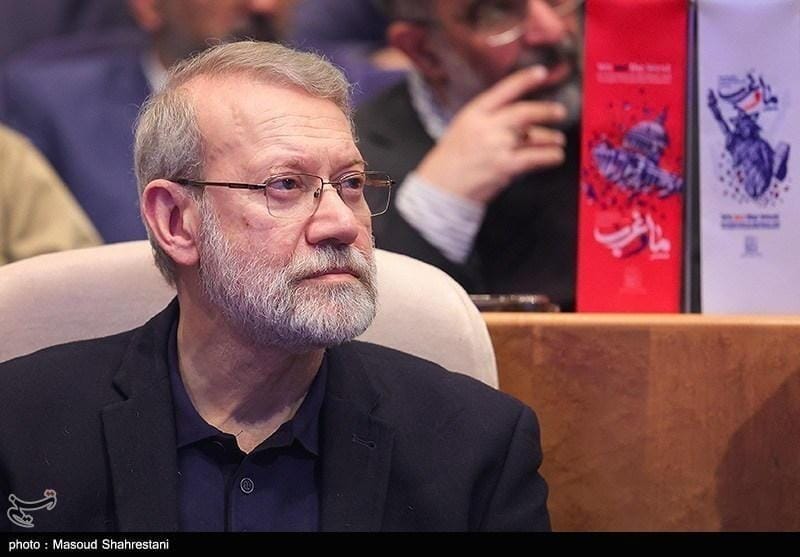
Zepp-LaRouche: Yes, Iran reacted in a way that surprised many people in the West. Iran’s security advisor, Ali Larijani, had directed as a countermove that Iran demand that the U.S.A. withdraw from the entire region, meaning to dismantle its military bases in the various Gulf States, pay reparations for the war damage, and also pay reparations for the sanctions that have been imposed against Iran for many decades. This shows a very clear spirit—by no means a spirit of capitulation. Now, this same Mr. Larijani, according to press releases, was killed today. Can you say anything about that?
Dr. Maleki: Especially from the American side, there is always this claim that Iran is asking for a ceasefire, or “Iran called us, Iran contacted us.” I highly recommend your audience go to the official page of the Iranian Ministry of Foreign Affairs, especially also the Twitter/X account of our Foreign Minister [Seyed Abbas Araghchi]. There, everything is officially presented, exactly what the case is. Our Foreign Minister, I think yesterday, emphasized again: We did not contact the Americans to reach a ceasefire. We will continue this self-defense as long as it is necessary and required because we see ourselves heavily attacked, and we must defend our country. But we have also shown repeatedly in various cases that we attach special importance to diplomacy.
Diplomacy, Not War
We can remember that in June 2025, the Israelis and Americans attacked us under this claim, this pretext, that Iran was on the verge of having an atomic bomb, and so on. At the time we were in the middle of negotiations; we were engaged in diplomacy, and there were negotiations in Muscat [Oman] and also in Geneva. Then we saw that they again attacked Iran [Feb. 28, 2026]. And this time as well we were also engaged in diplomacy; there were rounds of negotiations.
But nevertheless, we learned very well from the last case, in June 2025, that we cannot rely on this kind of hypocritical approach. And therefore, this time we were prepared. And there were also many, many signs that the Americans and also the Israelis were preparing to attack Iran. But nonetheless, Iran showed that we are always open to diplomacy and that Iran is not for war.
In Iranian history, in the history of Iran in recent years, you cannot find a single case where Iran attacked another country. Not a single case. Therefore, this time again, even though we somehow knew that it might just be a tactic or that the other side might not truly believe in diplomacy in this case, nevertheless, to show the world that we are for diplomacy, we held these rounds of negotiations. But still, we saw that they attacked us. So, a very clear violation of law, which, thank God, is also seen that way by many different politicians and many countries.
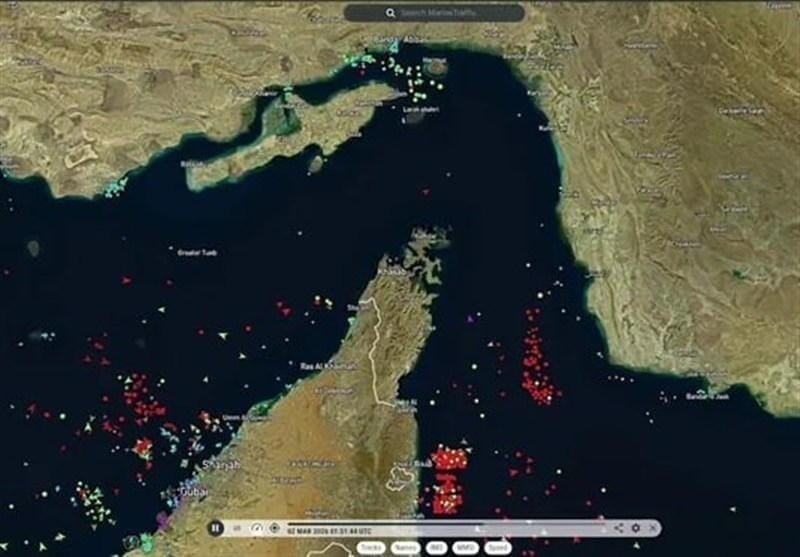
Zepp-LaRouche: One consequence of this development is, of course, that Iran has now successfully blocked the Strait of Hormuz. This has enormous effects on the world economy. Above all, many states in Asia are enormously dependent on the supplies that come through this strait. But the entire world economy could really be severely affected. In the worst case, this could even trigger a crash of the entire financial system, which is already extremely fragile anyway. Now, President Trump has demanded that all allies come to the aid of the U.S.A. in overcoming the blockade in the Strait of Hormuz. Interestingly, all allies have rejected this, even Japan, even Great Britain, but also, fortunately, Germany. In response to this, President Trump has now threatened that he might even withdraw the U.S.A. from NATO, and that Congress wouldn’t be necessary for that, which is probably not true. But in any case, he said it, and it was also supported by [Senator] Lindsey Graham. So, that might not be the worst reaction, because if NATO dissolves, it might necessarily lead to putting an integrated security order on the agenda instead. What is your comment on this?
Dr. Maleki: Regarding these disputes between the current allies concerning the Strait of Hormuz or other possible cases, I think that is something that doesn’t really concern us, meaning it’s not something we are dealing with now. In any case, it can be seen as another humiliation that the U.S.A. has to experience, regarding this lack of support, the potential support that was expected from its allies.
But nevertheless, what happens there, I am not a military expert, so I may not be able to assess exactly what is going on, why, and how. But one thing I can say is that I believe, we believe, very, very strongly in the strength of our armed forces and the calculations being made…. And therefore, we want to rely on the way our armed forces are currently defending the country.
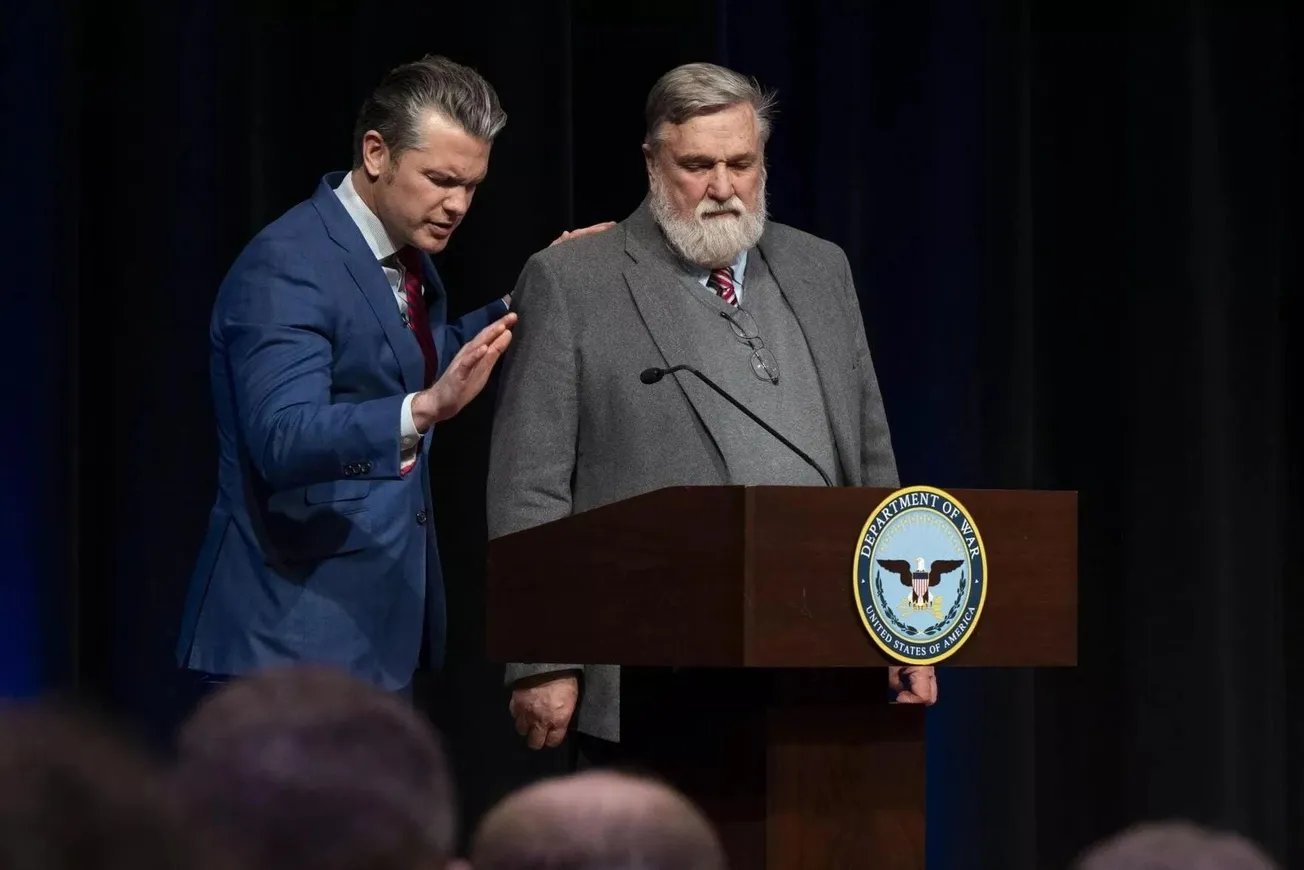
Zepp-LaRouche: I think the situation could indeed escalate further. On one hand, there are many protests in America against the fact that the U.S.A. is also heavily invoking religious motives. At least Defense Secretary [Pete] Hegseth has spoken out in that regard. At the same time, there is now the attack on Lebanon. So, how do you see the danger that this crisis will become a larger, even bigger war?
Dr. Maleki: Even though we don’t want that—Iran does not want an escalation—the danger is certainly there. You also mentioned at the beginning that, within the framework of this war of aggression, many commanders and even the head of state of Iran have been assassinated. And this, I say again, shows that international law is being completely trampled underfoot; that is, international law is now weaker than ever. And we must also mention that these attacks come from a side that is itself highly controversial because of the Gaza war and everything else, this aggression that took place. It has itself displaced many thousands, millions of Palestinians. All that is a violation of international law. And then from this very side, a war of aggression against Iran—that is another sign that international law is now at the end of its life. So, the international community must save international law. We must once again clearly condemn the aggressors and use all the possibilities that exist under international law to compensate for exactly this damage, the casualties that have been inflicted on the Iranian population, in order to thereby achieve a ceasefire and a better, calmer time.
Zepp-LaRouche: Yes, I unfortunately share your assessment; international law is totally gutted. President Trump said in an interview with the New York Times on January 7, when asked what moral guidelines he considers, that he only follows his own morality, and he doesn’t need international law. And unfortunately, the discussion here in Europe and also in Germany is such that many leading politicians have said, “Yes, international law is a good thing, but in cases like Iran, you see that it’s useless.” So, in other words, international law is regarded as a rubber paragraph that you can bend as you like. And that actually goes in the direction of the Prime Minister of Canada [Mark Carney], who gave a speech in Davos at the World Economic Forum, where he said, “Yes, this rules-based order, we’ve known for a long time that it is only used by those who have the power to interpret it to their advantage.” And that is, of course, the exact opposite of what international law is supposed to be.
International Law and the Order of Creation
If one understands international law correctly, I would even say that, although it is not explicitly stated in the UN Charter, if you consider the entire development of how international law came about, from the Peace of Westphalia over very long processes, you can even say that international law has a connection to natural law. That is, it refers to something that is actually anchored in the order of Creation. And that is an idea that appears in all cultures in some way. In Europe, it was called natural law. In India, for example, it is called cosmology; it is the idea that politicians must orient themselves according to a law anchored in the cosmos. In China, they speak of the Mandate of Heaven. So, in all cultures, one actually finds this idea that there is a law that exists, even if people disregard it. And actually, international law is a reflection of this deeper conception of law. Perhaps you could comment on that from an Iranian perspective?
Dr. Maleki: Yes, that is exactly how it is. I mean, this selective handling of international law is not good. We cannot say that we adhere to international law as long as it serves our interests, and we leave it, ignore it, or do not comply with it when it does not correspond to our interests. And that must stop. So, if you truly want a sustainable solution, a peace that is lasting, then you would have to be in an order where this selective approach, this double standard, no longer exists. And in the case of de-escalation, in the case of a possible ceasefire, as I said, we all hope this war ends soon. But of course, the Iranian people, with over 7,000 years of history and civilization, this high culture can simply not accept being attacked by another regime, by the U.S.A., without responding appropriately.
And this self-defense, as our Foreign Minister also said, will continue until a sustainable solution is reached. A sustainable solution in the region means that Iran is involved, that Iran naturally plays a major role, and that there is as little U.S. presence in the region as possible. That is, the neighboring countries, the countries in the region, can naturally build a security architecture themselves in the region. They are capable of doing that if they want to, if the political will is there, if they talk to each other. One doesn’t really need forces or other external powers in the region. That is a solution that can be strived for—and I very much hope that this solution will eventually be reached.
Zepp-LaRouche: You mentioned the 7,000-year history of Persia. I have been looking into this for some time. Above all, I was aware that after the end of the Cold War, the narrative was deliberately changed. It was no longer communism that constituted the enemy image of NATO and the Anglo-American perspective. Samuel Huntington wrote that terrible book called the Clash of Civilizations. I read that book back then; it was a completely awful book. At the time, I said that Samuel Huntington had no understanding of any of these cultures, neither Christianity, nor Hinduism, nor Islam, nor Confucianism. It was dripping with prejudices. But of course, his book strongly shaped the image of Islam as the new geopolitical enemy image, replacing the Soviet Union and communism.
Then the former President of Iran, Mohammad Khatami, made a very interesting proposal—I think it was in 2000—namely, to replace this clash of civilizations with the dialogue of civilizations. And that resonated a lot back then. Kofi Annan brought it into the UN. There were many conferences on the topic. And it seems to me a very important idea that really needs to be revived right now, to simply create a level of discussion that can sustainably overcome these conflicts. So, perhaps you could say something about this idea of the dialogue of cultures.
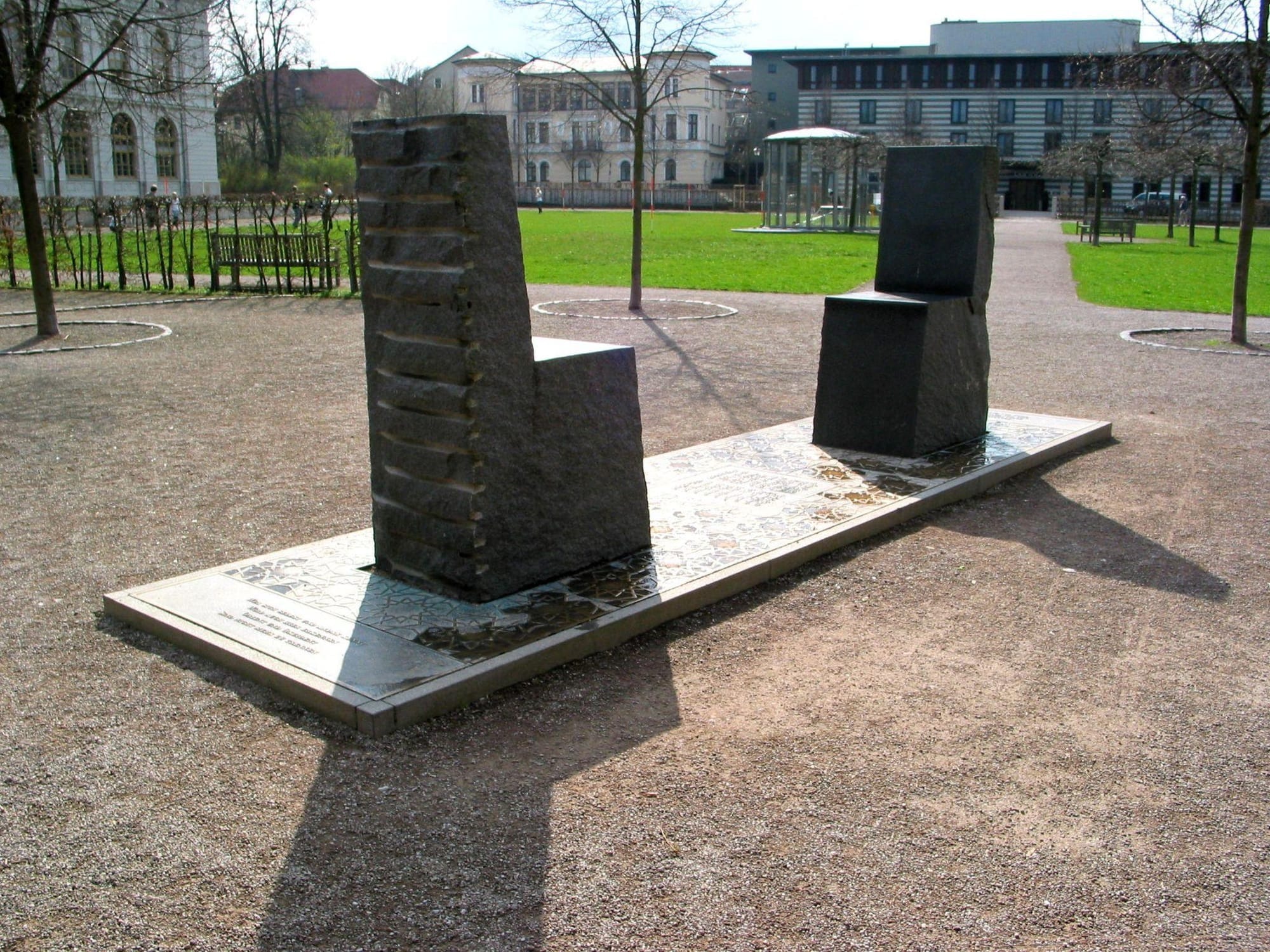
Dr. Maleki: Yes, a very good point. When you mention this dialogue initiated by the former Iranian President, then you can also travel to the city of Weimar. I don’t know if you have seen it, but in Weimar, there are two chairs as a symbol of dialogue, one by Goethe, one by Hafez, our poet who lived in the 12th or 13th Century, and the famous poet and philosopher from Germany, Goethe, who lived in the 18th Century. They lived in two different times, but they came together and had a dialogue. And the work of this dialogue is essentially who they were. These chairs were inaugurated in Weimar as part of this dialogue process initiated by the former Iranian President. And every time I visit this place, I understand again, or I emphasize again, how important dialogue is, of course, between cultures.
Cultural War Crimes Against Iran
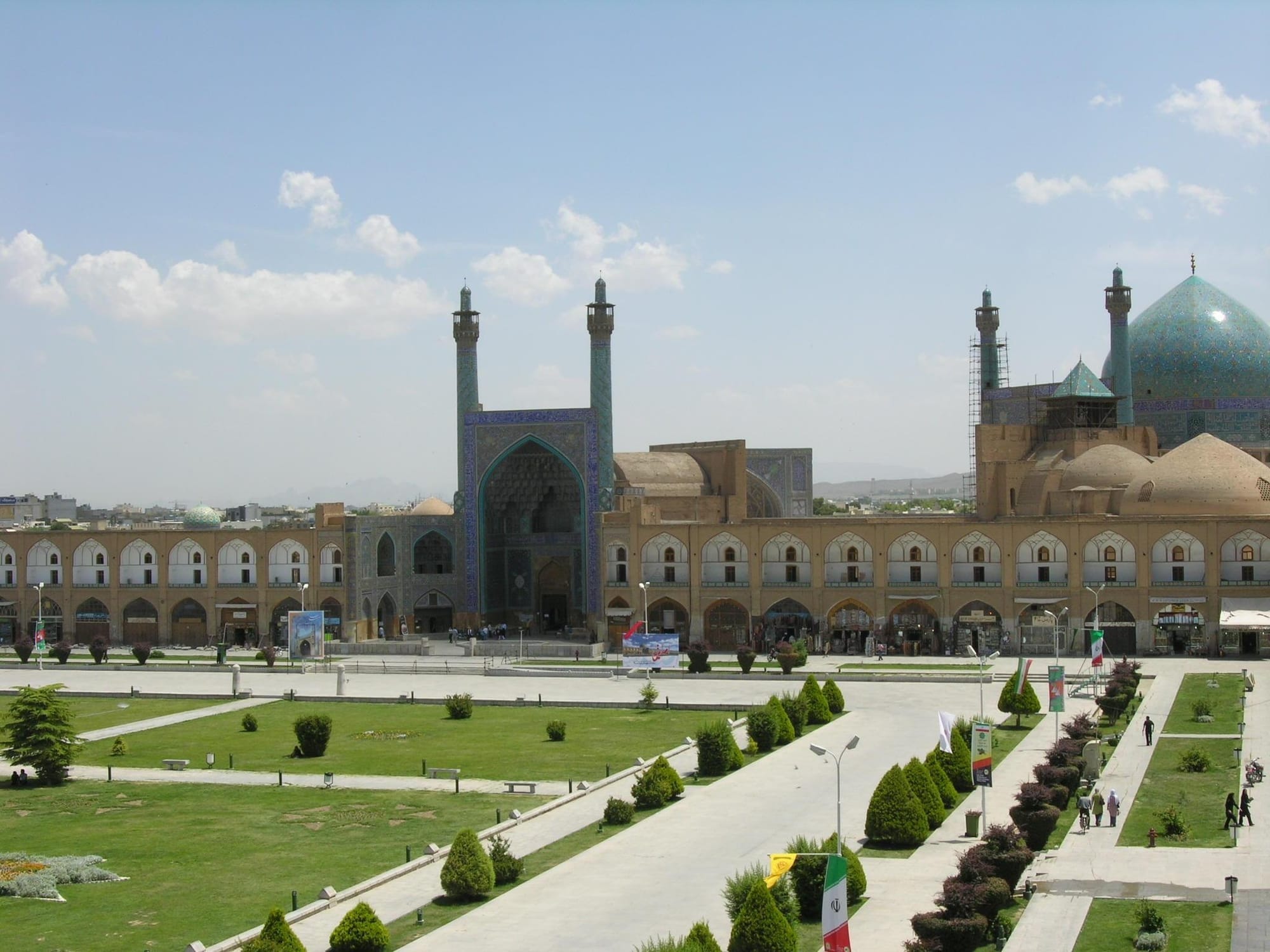
And a very, very sad story in this current war: Iran has this history, this civilization, and it is also evident in various historical cities in Iran, many UNESCO World Heritage Sites in Iran. And I must say, some of these have been severely damaged during this war of aggression, when you look at the city of Isfahan, or when you look at a few other historical things in Tehran. These are UNESCO World Heritage Sites that have now been severely, massively damaged. That is a war crime.
Unfortunately, in the media debate, especially here in Europe and here in Germany, it is portrayed as if these are very “targeted” attacks [strictly against military targets -ed]. But that is not the case. The case is that civilian infrastructure is indeed being hit. I don’t have an exact statistic at the moment, but we have several hundred civilian casualties. And we also have many hospitals; we also have many UNESCO World Heritage Sites that have been damaged. And unfortunately, this is mentioned very briefly, if at all, in the media debate here. And I find that very, very regrettable when you also watch the talk shows and so on. Of course, often people sit there who simply follow a certain narrative and sometimes just utter a few rhetorical phrases and nothing else. And there are also people sitting on these talk shows who have never even been to Iran, or the last time they were in Iran was 25 years ago or 20 years ago. That doesn’t work.
So, if you talk about Iran, you also have to know Iran, you have to know the population properly, you have to have been there. And it is all the more important to find channels, to find ways to stay more in dialogue—especially when you consider that you are in a country that is the land of thinkers and philosophers. I have read Lessing, I have read Goethe, I have read Schiller, of course. I was a student of German studies myself and am always proud that I learned German and also studied German literature. But when I see some attitudes, some stances, or some discussions here in the media or with some politicians, I find it very, very regrettable that in this country, there is sometimes such a great deal of ignorance regarding Iran. And this ignorance or this narrative is because there hasn’t been enough dialogue with each other; because there have been shortcomings regarding that dialogue. One should have used many different opportunities for dialogue to talk more with each other, to have more exchange, so that when you have these cases, you are not surprised, like I am, to hear such stances now.
Zepp-LaRouche: An important development is that Pope Leo XIV, Cardinal Parolin, the American bishops and cardinals, and also the Archbishop of Munich, Reinhard Marx, have all absolutely condemned this war as not being, according to canon law, a just war at all, and have attacked it very, very sharply. The Pope even spoke of the danger that an irreversible abyss could be opened up by it. And I would say that the Catholic Church, in America as well as in Germany, and also in Italy, from the head of the Bishops’ Conference in Italy, Cardinal Zuppi, have strongly condemned this war. One would hope that perhaps in Germany, where we do have at least two parties that carry the word “Christian” in their name, the CDU and CSU, that they would listen to these church leaders. What do you think?
Dr. Maleki: I am not in a position to judge or comment on the positions of German politicians or parties, etc. But nevertheless, I want to say that we also hear various voices here in Germany. You are right. There are also voices within these parties, among these politicians, who say this war is not our war, or this war is contrary to international law, etc., etc. And there you also see that, despite this pressure that exists, there are these voices that, from our perspective, are the right voices; that this war of aggression constitutes a breach of international law. I have also heard this from some politicians, and we welcome that, of course.
Will Germany Condemn the Murder of Innocents?
Nevertheless, we understand this historical responsibility that Germany has towards Israel, or the special relationship that exists. But nevertheless, we expect, of course, that when an elementary school with 175 small children is bombed, that you at least condemn that. You don’t need to condemn this war of aggression because of this history, but to condemn this attack on this elementary school is the least one can expect. And therefore, it surprises us very, very much that, even though some European countries were willing, or felt obliged, to at least condemn this attack, that is not the case here in Germany—at least to my knowledge. And I very much hope that at some point this attack will at least be condemned, because those were an innocent 175—I emphasize it again, 175—which is very important for us Iranians. One cannot simply remain silent.
Zepp-LaRouche: It seems that there must now be an investigation into whether it was intentional or a mistake. But even if it was just a mistake, there are now investigations in America that Secretary of War Hegseth dismantled the installations that would have actually had to verify whether the target is what is being aimed at. In other words, it’s a gray area whether it was intentional or not. In any case, Hegseth also demanded that the American soldiers show no mercy towards the Iranians, which is also a barbaric demand. And there are already articles and voices in America saying that this is an incitement to war crimes. So, this is actually a development where one should be more concerned about international law and law in general, not with Iran, but perhaps on the other side. But I would like to come back to that perhaps.
We really need to initiate a dialogue of cultures from this situation, where knowledge about Iran among people in Europe, America—I think interest is much greater in the Global South—but above all in Europe, is reinstated. You referred to the millennia-long history of Persia. There were times when this region was world-leading, for example, in the time of Bactria, in the time of the thousand cities—that was the region from Persia to what is now Afghanistan, Uzbekistan. That was the most developed region in the world at that time. And I see the development of universal history in such a way that many cultures and civilizations actually have each contributed something to the development of humanity, and the torch of progress passed from one hand to another. This is actually our common history, which we should be proud of. So, if you take such a view, the necessity arises by itself to appreciate the positive contributions of each culture.
Dr. Maleki: That is true. In recent months, we have had various cultural events at our embassy here in Berlin. We organized very beautiful poetry evenings, where two great Iranian and German poets, philosophers, were juxtaposed and engaged in dialogue. For example, we held poetry evenings featuring Adam Olearius and Saadi, Hafez and Goethe, and so on. I also think it is so important that much, much more is done in culture, and that, as you also mentioned, religion is certainly a very, very great occasion to specifically call for this dialogue.
But I must also say that, as we talk this evening, it is the 17th day of this war of aggression. We are not currently in a situation, nor do I want to—I cannot simply talk about dialogue or culture right now. We are in the middle of a war of aggression, and Iran’s absolute security priority is, of course, to defend itself to prevent even more casualties among the Iranian population. Just as we speak, I don’t know if Iran, Tehran, or other cities are being bombed, where smaller family circles have gathered to somehow celebrate this end of Ramadan or this New Year’s mood, or to be together, so that they simply don’t have to fear that a bomb will hit the neighbor’s house or their own.
I have been involved in promoting this scientific-cultural exchange for at least 15 years. We want to do that; we must do that. As soon as a calmer time returns, we must, of course, focus on dialogue. At the moment, I am not mentally prepared to talk about dialogue or culture this evening, because we are also worried, of course, about our relatives, our population in the country. But fundamentally, of course, I am personally very, very much in favor of it, and I also find it the best path to a sustainable solution: more talking, more dialogue, and more cultural exchange.
Zepp-LaRouche: Well, I think regardless of what happens in the near future, there certainly is a great danger of escalation—which of course no one can hope for. There was an article in America by a certain Harlan Ullman, who is an advisor to the Atlantic Council—so he is in an official position—who said that strategic bombing has never worked—neither in Vietnam, nor in Afghanistan, nor in Iraq—and that the only time such strategic bombing was successful from the U.S. perspective was the bombing of Hiroshima and Nagasaki. This is an article that appeared in the newspaper The Hill, which is distributed free to all members of Congress. The fact that something like that can be written is actually also a sign of the barbarism we have already plunged into. But I think, regardless of what happens after this war, which hopefully ends soon, the necessity will certainly be to really consider how we can create a security architecture that prevents something like this.
Lessons from the Peace of Westphalia
The UN obviously failed to prevent it; international law is dead, as we both have noted. But we need an approach to put a security and development architecture on the agenda that takes into account the interests of all nations, every single country in this world. Because that was the lesson of the Peace of Westphalia: The Peace of Westphalia ended 150 years of religious war in Europe. And the warring parties came to the negotiating table, because they realized that if the war continued, there would be no one left to celebrate victory—because everyone would be dead. At that time, a third of the population had already perished. And in the age of nuclear weapons, the necessity surely is to finally realize that there are no winners in such a war, and that this realization must finally be reflected in a new architecture.
Dr. Maleki: Yes, and I very much hope that a security architecture will be achieved that is sustainable. And for our region, when we speak about the sustainability of a security architecture, for Iran that means an architecture where the countries in this region, the neighboring states of Iran, of course the states on the Persian Gulf, all together have such an architecture, such an order. And of course, in this order, it is firmly anchored or guaranteed that other countries cannot simply intervene in Iran in violation of international law. That must somehow be guaranteed, I believe, that one cannot simply be confronted with these wars of aggression, even in the middle of negotiations, while one is committed to diplomacy. Something like that must be prevented. And how that is done now, of course, requires much more discussion, it requires learning from the lessons of the past, and that one truly works towards a sustainable peace, and that the political will must also be there.
Zepp-LaRouche: Yes, well, then today I can only wish you all the best, and your country, and hope that no more innocent people lose their lives and that humanity in general learns something from this terrible experience. So, I can only say goodbye to you today with my best wishes and thank you very much for the conversation.
Dr. Maleki: Thank you very much for this opportunity, and I am always happy if there are other questions, that we stay in dialogue, that we continue this exchange with each other, so that we now also try to hear other voices, especially here in Germany. Because from my perspective, during this war, there was not only a war on the field but also a strong media war. There are also clear examples of that, for instance, when suddenly somewhere in the newspaper it says that the head of state of Iran has fled to Moscow, or that the media here focus so strongly on only one particular aspect of events in Iran and ignore everything else. I don’t find that to be balanced, and I very much hope that through this dialogue and through more talking, we can achieve balanced reporting and a balanced situation. Thank you very much.