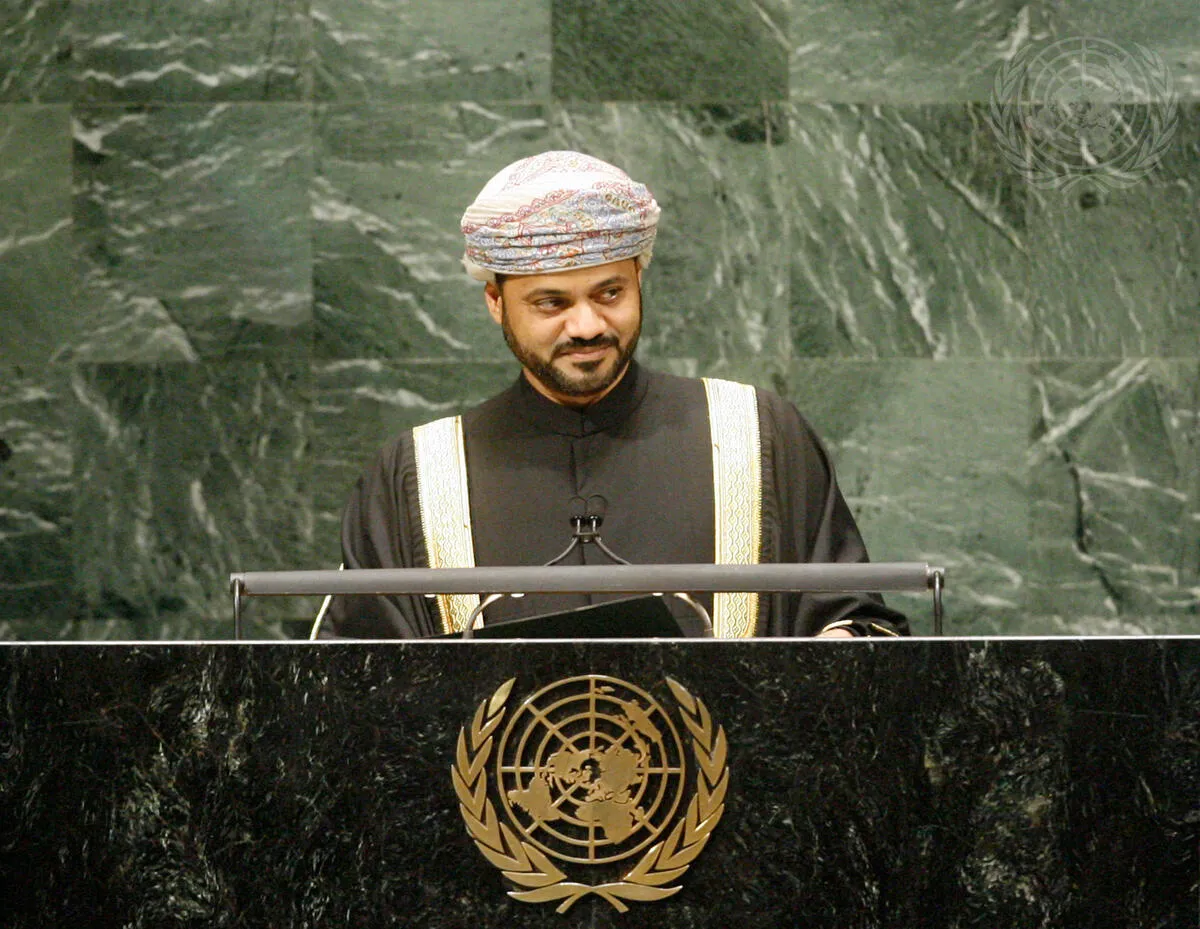
African interest in Germany as a partner in realizing two giant infrastructure projects—INGA 3 and 4, and the Lobito Corridor—was signaled prominently on several occasions last year: oOn the sidelines of the EU-Africa Summit in Luanda, during a December Berlin visit of a major delegation from the Democratic Republic of the Congo and business people and at the German-Congolese Economic Council in that context with 200 participants. The Congolese delegation included Mining Minister Louis Watum Kabamba and Foreign Minister Thérèse Kayikwamba Wagner.
An important role already was played by the leading German turbine producer VOITH on the INGA 1 and 2 projects, and there is also interest from other German firms like Linde and Siemens in the realization of projects 3 and 4. The latest attempt to construct 3 and 4 was in 2020, but was called off for several reason: The World Bank cut financial support on democracy and corruption issues; a potential European-Chinese consortium was not formed; and the EU Green Agenda favored other projects. EU’s “Global Gateway” program undermined potential cooperation with China which defined itself as an alternative to the Chinese Belt and Road Initiative, and related to that, German government refused to grant export credit guarantees for companies that intended to cooperate with China. But the door to cooperation is open, since Germany’s Chancellor Friedrich Merz and China’s President Xi Jinping agreed to lift the strategic partnership to a new level. The test case would be joint projects in Africa.