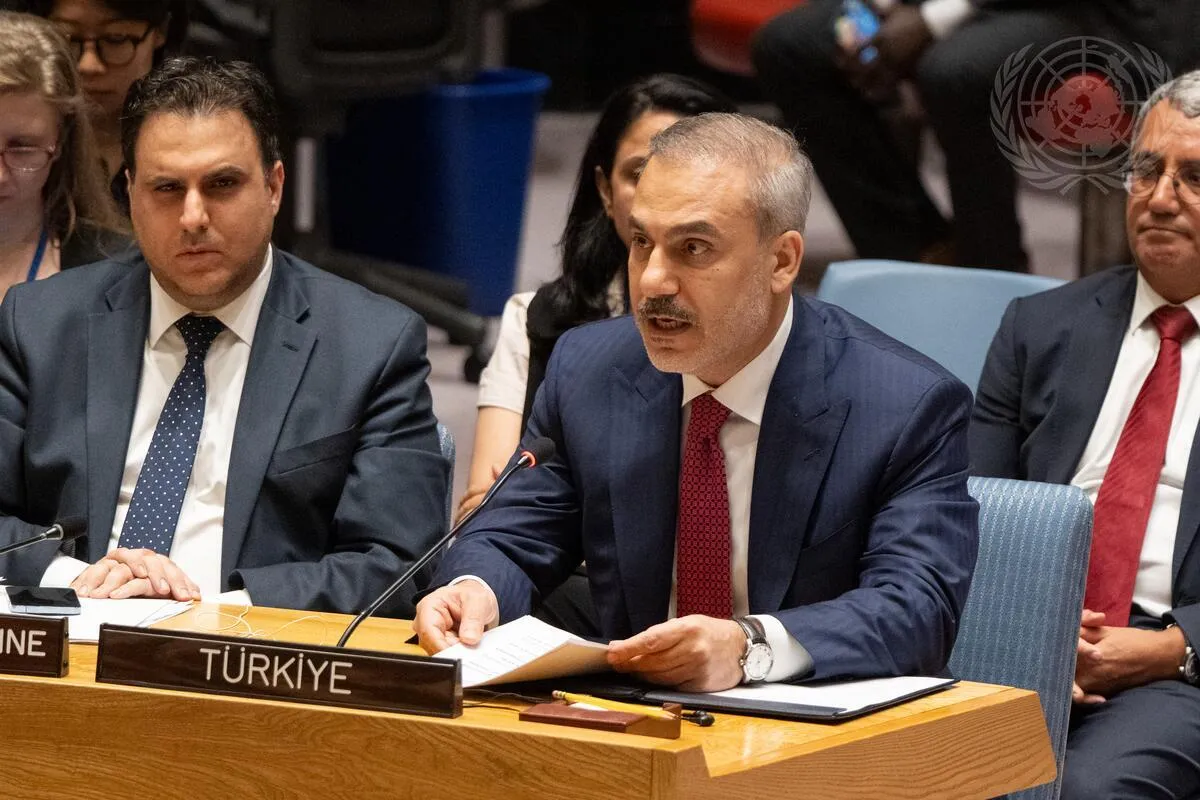
In news that can potentially reignite the 1960s-era Pan-African fight against unipolar domination, on Monday, March 2, it was reported that two giants in that fight for freedom and development—Tanzania and Ghana—have signed an agreement in principle for cooperation in the beneficiation of natural resources of their two separate countries. The agreement was signed in Arusha, Tanzania, near the northern border with Kenya, and away from the capital of Dodoma.
Reported exclusively by Tanzania’s The Citizen is that Presidents Samia Suluhu Hassan of Tanzania and John Dramani Mahama of Ghana signed an agreement that “underscored the importance of African nations retaining greater value from their natural resources through industrialization and responsible resource governance, rather than exporting raw materials with limited domestic benefit."
Commenting afterward, President Hassan said, “Our priority is to ensure that our natural wealth translates into tangible benefits for our people,” and that “sustainable development must be anchored in strong institutions and strategic investment.” Ghanaian President Mahama revealed that, after government intervention, gold exports had risen from 64 tons to 104 tons in the past nine months, and that Ghana is now directing its efforts at the critical cocoa industry, “a move aimed at increasing revenues and generating employment across the agricultural value chain.”
Cited as areas for enhanced cooperation were “mining and natural resource governance, agricultural value chains ... cybersecurity, and improved air connectivity between West and East Africa to facilitate trade and investment flows.”
The importance of this development will not be lost on any African. During the “freedom wave” of the 1960s, it was Ghana’s President Kwame Nkrumah and Tanzanian President Julius Nyerere who were the most outspoken advocates for the Pan-African fight against imperialism. The strategy from London and Europe had always been to keep the two at odds—a strategy defeated by these March 2 developments.