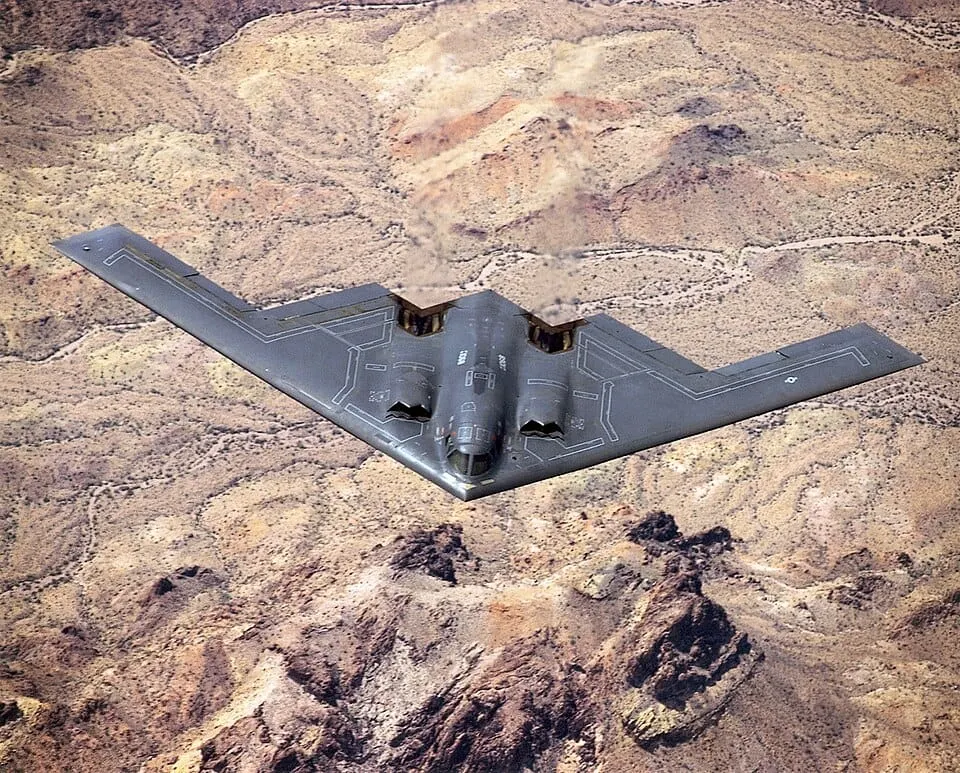
The Federation of Atomic Scientists released its latest nuclear notebook on covering the United States, publishing it on March 12 in the Bulletin of the Atomic Scientists.
Among other things, it discusses in some detail the current strategic nuclear war plan—OPLAN 8010-12—which “consists of ‘a family of plans’ directed against four identified adversaries: Russia, China, North Korea, and Iran (!). Known as ‘Strategic Deterrence and Force Employment,’ OPLAN 8010-12 first entered into effect in July 2012 in response to the operational order ‘Global Citadel.’ The plan is designed to be flexible enough to absorb normal changes to the posture as they emerge, including those flowing from the NPR [Nuclear Posture Review]. Several updates have been made since 2012, but more substantial updates will trigger the publication of what is formally considered a ‘change.’ The April 2019 change refocused the plan toward ‘great power competition,’ incorporated a new cyber plan, and reportedly blurred the line between nuclear and conventional attacks by ‘fully incorporat[ing] non-nuclear weapons as an equal player’ (Arkin and Ambinder 2022a, 2022b). Under President Trump, the menu of military options for Iran reportedly appears to now include a renewed emphasis on nuclear weapons (Klippenstein 2025).”