On March 26, the commanders of both Strategic Command and Space Command testified before the Senate Armed Services committee as part of the committee’s annual round of posture hearings before it begins work on this year’s defense authorization bill. A few highlights from press coverage follow.
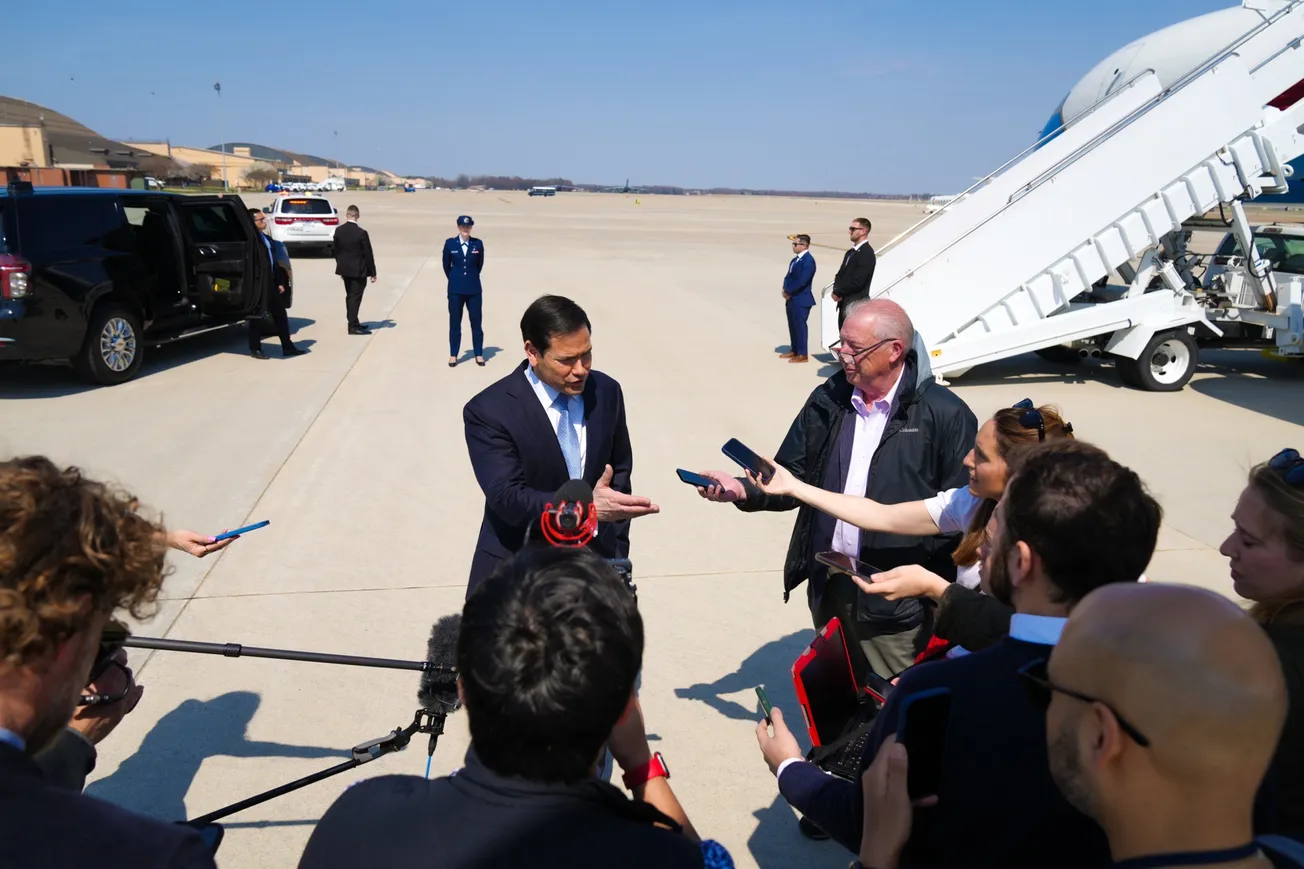
Admiral Richard Correll, told the Senate Armed Services Committee on March 26 that the U.S. nuclear arsenal is safe and reliable and there is no need to conduct nuclear warhead tests. He noted that the Energy Department and Pentagon annually certify the safety and reliability of the U.S. nuclear arsenal and expressed full support for the most recent certification, which was issued for 2025-2026, reported Military Times. The departments “indicated we have the capabilities and sufficient testing to satisfy ourselves on the reliability and efficacy of our nuclear warheads. But we monitor that very closely and I will continue to provide my best military advice.”
On March 24, Undersecretary of State for Arms Control and International Security Thomas DiNanno, told the Senate Foreign Relations Committee that the administration still is assessing how to implement Trump’s order for the U.S. to test nuclear weapons “on an equal basis” with other countries. DiNanno reportedly did not rule out a resumption of full-scale underground explosive tests.
Committee members from both parties expressed concern about “alarming advances” in Russian and Chinese missiles, nuclear weapons and antisatellite capabilities, reported Roll Call. Sen. Roger Wicker, R-Miss., the committee’s chairman, said at the hearing that these dangers are advancing by “leaps and bounds.” Sen. Jack Reed of Rhode Island, the committee’s top Democrat, said: “We are operating in a historically dangerous strategic environment.” NO mention is made of the role of American geopoliticians in turning these two countries into enemy images.
Naturally the threat extends into space. China has grown its constellations of satellites in orbit to 1,300, including 510 “intelligence, surveillance and reconnaissance” satellites—a 667 percent increase since 2015, Gen. Stephen Whiting of Space Command testified.
Russia, meanwhile, remains “a major strategic threat to the United States,” Wicker said. Moscow has developed—but not yet launched—a nuclear-capable antisatellite weapon, which Whiting called “the single greatest threat” in space and a “very, very significant” development—not just for U.S. satellites but to all satellites in space, commercial or military, regardless of national owner.