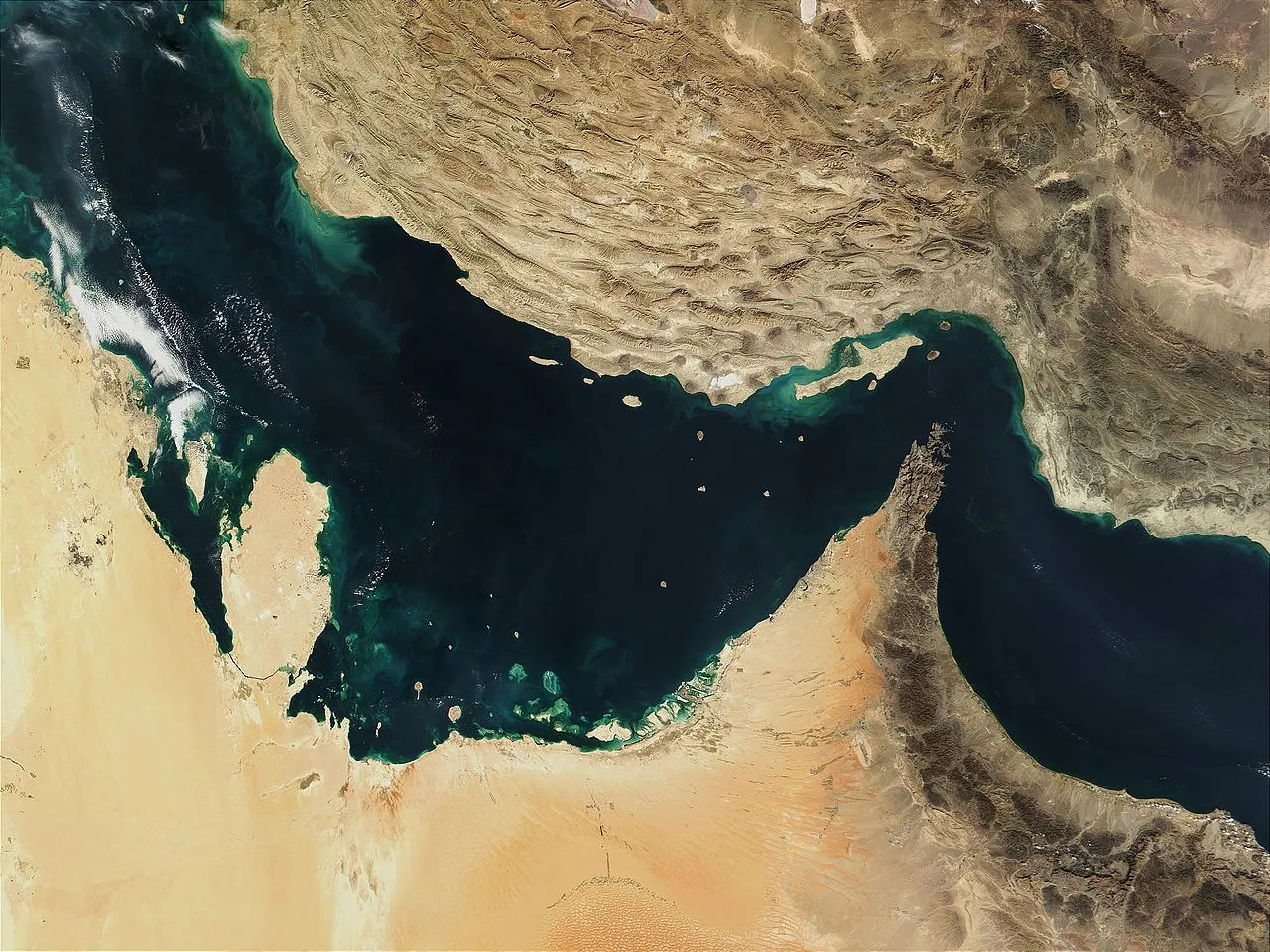
Multiple news agencies are reporting on what is essentially a complete blockade of the Strait of Hormuz. This followed another attack on a tanker transiting the Strait on March 4, which has now been abandoned and sits stranded in the water. This, despite the fact that U.S. President Donald Trump recently promised military escorts through the Strait and American insurance policies.
“We’re now facing what looks like the biggest energy crisis since the oil embargo in the 1970s,” says Helima Croft, the global head of commodity strategy at RBC Capital Markets, reported NPR. Oil prices are already up 16% since the beginning of the war last weekend, shooting up again March 5 as stocks took a big slide.
Gulf countries are now facing a crisis without a means of exporting their oil and gas. It is reported that Iraq has begun to shut down production at some of its largest oil fields. Additionally, Reuters reported on March 4 that Qatar’s state energy company, Qatar Energy (QE), declared force majeure and has entirely halted production of LNG given the inability to export any of it. Qatar supplies 20% of global LNG, a move which will be sure to startle global energy markets. Sources told Reuters that QE won’t restart its facilities for at least two weeks, and after that it will take two more weeks to get production back up to full capacity.
Qatar’s LNG goes predominantly to Asia, with 80% of its customers in China, Japan, India, South Korea, Pakistan, and other countries in the region. The remainder largely goes to Europe. The declaration of force majeure liberates them from legal liability to their contractual obligations because of events beyond their control.