Last night, U.S. President Trump issued on Truth Social an ultimatum to Iran: “If Iran doesn’t FULLY OPEN, WITHOUT THREAT, the Strait of Hormuz within 48 HOURS from this exact point in time [posted at 7:45 p.m. EST, Saturday], the United States of America will hit and obliterate their various POWER PLANTS, STARTING WITH THE BIGGEST ONE FIRST!”
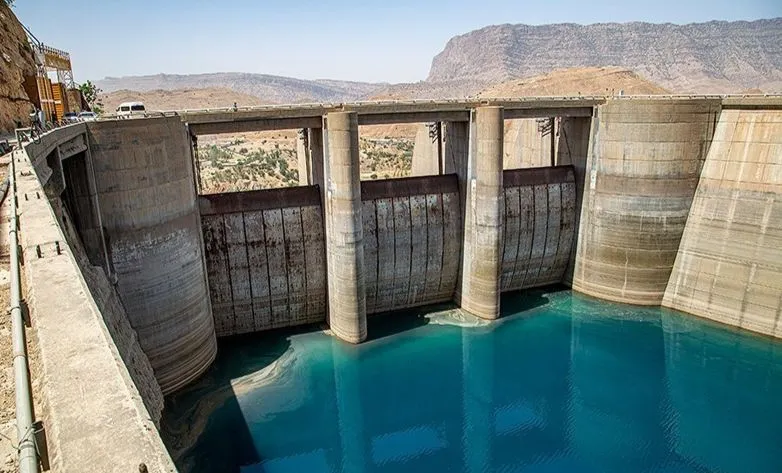
Iran’s largest power plant—the gas-powered Damavand plant—is located near Pakdasht, southeast of Tehran. Other major facilities include the Shahid Abbaspour, Karun-3, and Masjed Soleyman hydroelectric dams in the southwestern Khuzestan region, as well as the Kerman thermal power plant in the southeastern Kerman region.
Iran’s sole nuclear power plant is in Bushehr on the Persian Gulf coast. The International Atomic Energy Agency (IAEA) said earlier this week that a projectile struck a structure about 350 meters from the facility. Israel’s military denied that attack.
Iran responded with defiance, as reported by PressTV: “If Iran’s fuel and energy infrastructure is attacked by the enemy, all energy infrastructure, as well as information technology (IT) and water desalination facilities, belonging to the US and the regime in the region will be targeted pursuant to previous warnings,” said a spokesman for the Khatam al-Anbiya Central Headquarters, Lieutenant Colonel Ebrahim Zolfaqari.
Only hours before Trump’s ultimatum, Axios had reported: “After three weeks of war, the Trump administration has begun initial discussions on the next phase and what peace talks with Iran might look like, according to a U.S. official and a source with knowledge... Egypt and Qatar have informed the U.S. and Israel that Iran is interested in negotiating...” Some take Trump’s ultimatum as in contradiction to his administration beginning initial discussions, but such peace overtures have been more indicative of surprise attacks than any realization of a need for peace.