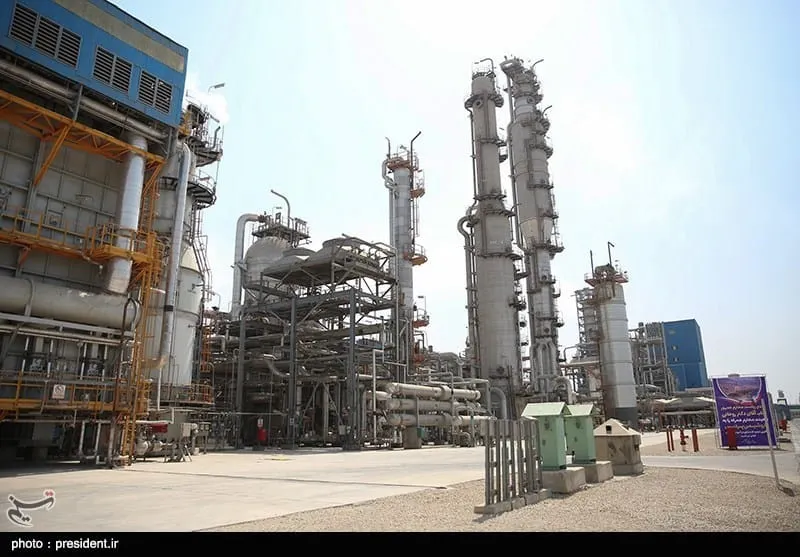

With the inability of U.S. and Israeli armed forces to stop Iran’s attacks on ships in the Persian Gulf or to escort tankers safely through the Straits of Hormuz, the price of oil (West Texas Intermediate crude price) surged overnight to March 12, up to $100/bbl briefly and varying in the mid-$90s range on Thursday, March 12. This, despite the fact that the total number of oil tankers in the Persian Gulf is only a small share of the thousands of such ships worldwide. Much more endangered are liquefied natural gas (LNG) supplies, with the Wall Street Journal reporting that half the available LNG tankers are currently there, lingering along the United Arab Emirates coastline. Some European nations’ energy officials are calling on their people to conserve and spare oil and gas use.
U.S. Treasury interest rates also surged from Wednesday morning, March 11, on, reaching 4.25% for ten-year notes which were below 4% last week.
The International Energy Agency’s global coordinated release of 400 million barrels (bbl) from strategic petroleum reserves (SPR) included 172 million bbl from the U.S. SPR, which apparently contained 411 million bbl out of a total capacity of 744 million prior to the release. Such a large share of the SPR being released is hardly calculated to send oil prices down very far, if at all.