

April 3, two days after U.S. President Donald Trump threatened to bomb Iran back to the Stone Age, was a very bad day in Iran for the U.S. Air Force
The tally of U.S. aircraft losses, according to one open source intelligence channel on X cited by Simplicius is as follows: one F-15E fighter jet, one A-10C attack jet and one MQ-9 Reaper drone shot down and destroyed; another A-10C, and F-16 fighter jet, two HH-60W rescue helicopters damaged but able to return to base; another F-16 and a KC-135R air refueling tanker declared inflight emergencies but also landed safely. While one crewmember of the F-15E was rescued, there are no updates, as of this writing, on the fate of the second one; as for the A-10 that was destroyed, the pilot managed to fly it out of Iranian airspace where he ejected and was subsequently rescued.
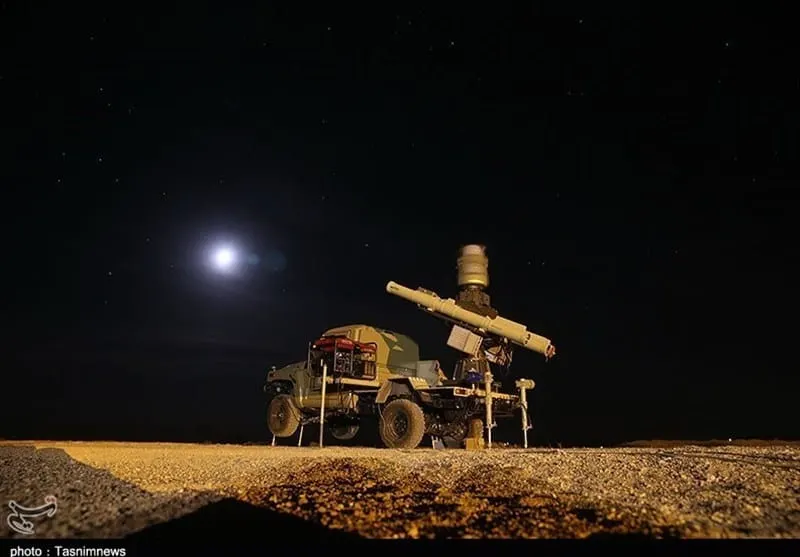
Last night the IRGC claimed the F-15E, along with two cruise missiles, 2 MQ-9s, and an Israeli Hermes drone “using the IRGC’s new advanced defense system, under the control of the country’s integrated air defense network.” The “new advanced defense system” has not been further identified.
Yet just the day before all this happened, Air & Space Forces Magazine reported that B-52s had begun flying bombing missions dropping 2,000-pound GPS-guided bombs which require that the bombers fly well into Iranian airspace before dropping them. “Some, by the way, predicted weeks ago that as U.S. munition counts begin to drop, Iran would see increased success in shooting down American aerial assets,” Simplicius noted. “This is a logical assumption based on the fact that, as ‘safer’ long-range standoff weaponry depletes, U.S. would have to take greater and greater risks in lobbing shorter-range munitions directly over Iranian territory. It appears this is what we may be seeing now.”