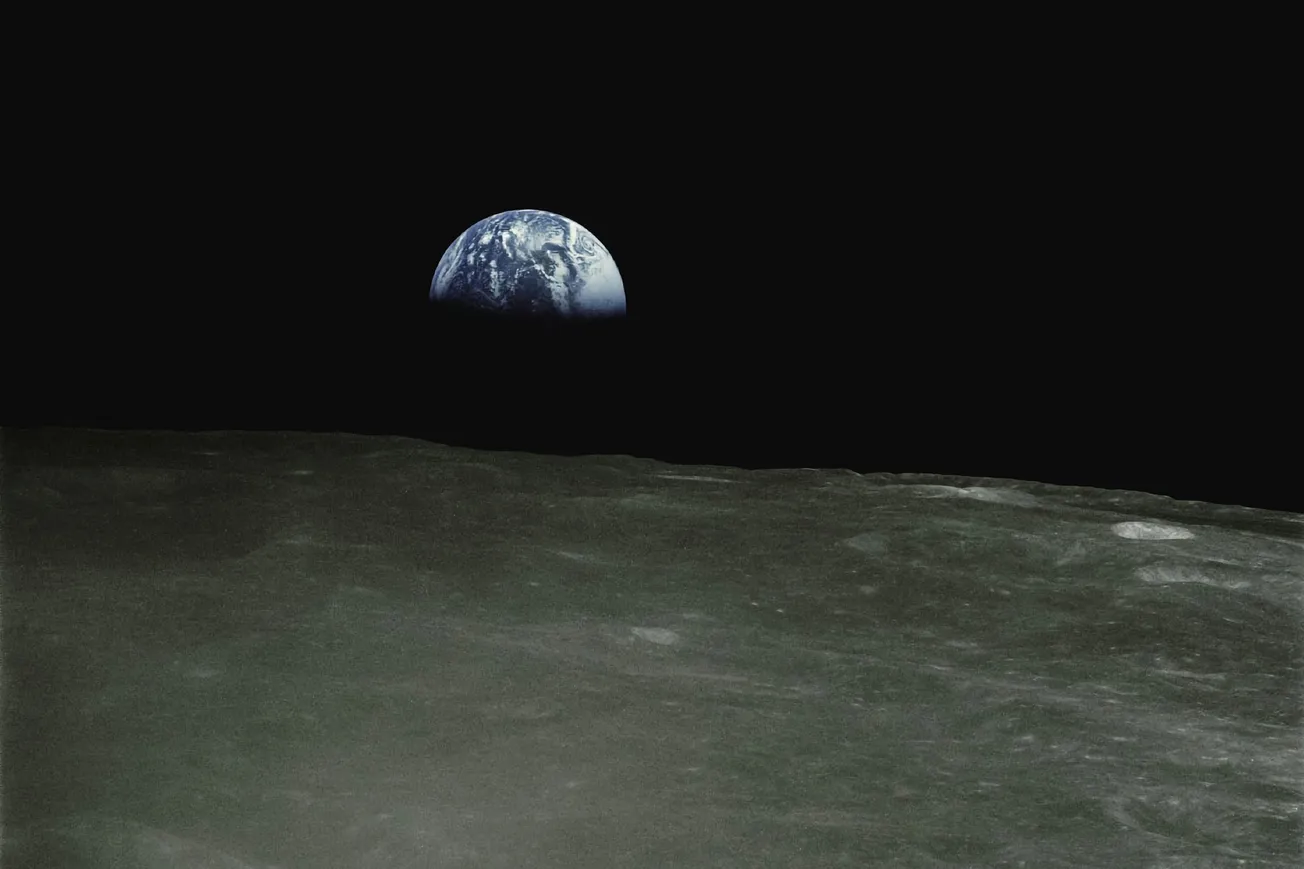

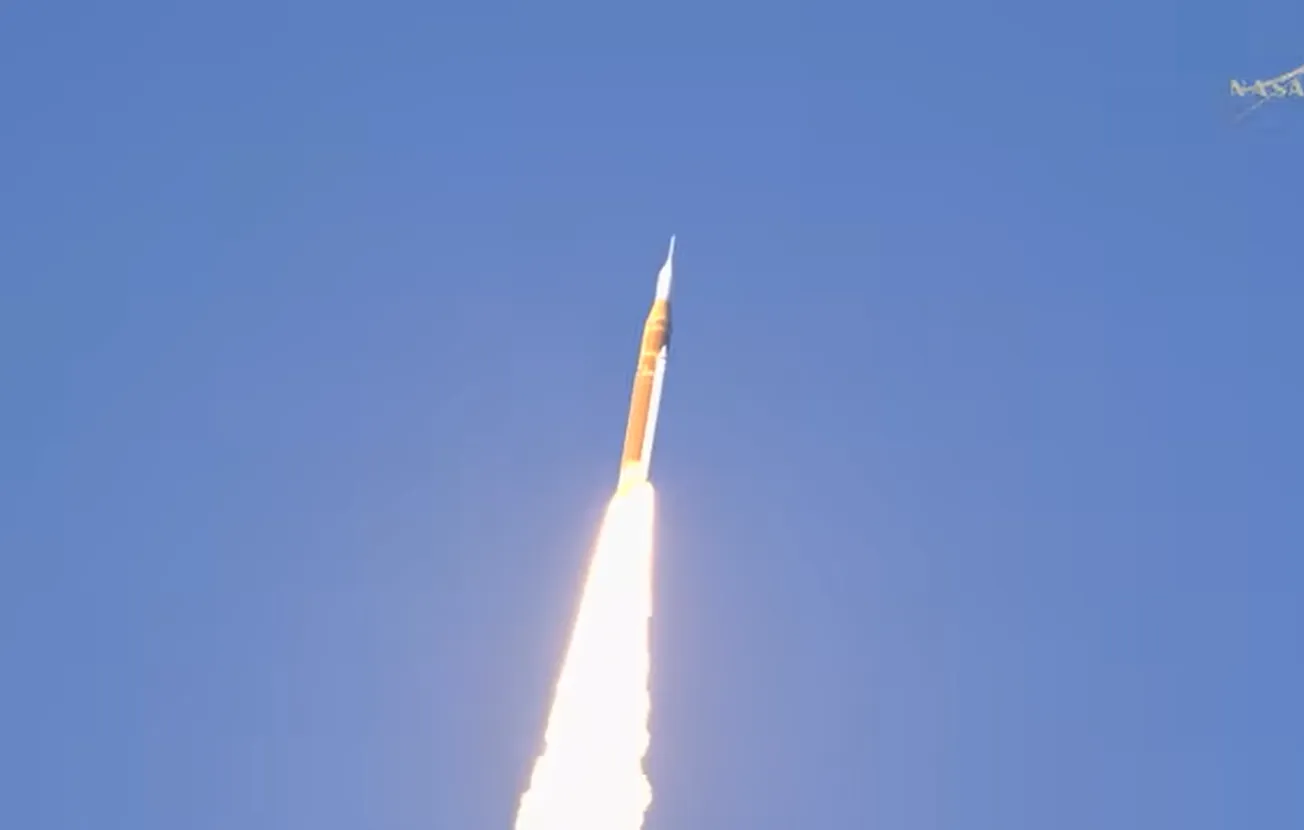
NASA’s Space Launch System (SLS) rocket, powered by 8.8 million pounds (approximately 39.2 meganewtons) of thrust at liftoff, making it the most powerful rocket ever built, pirouetted from Kennedy Space Center in Florida through the evening air, beginning the process by which the United States will land once more on the moon’s surface. This will be the first astronaut voyage to the Moon since Apollo 17 in 1972, fifty-four years ago.
The Orion space capsule separated from the SLS rocket’s interim cryogenic propulsion stage (ICPS) and began flying freely on its own approximately 49 minutes into the Artemis II test flight. The four astronauts who will direct the Orion are: Commander Reid Wiseman, Pilot Victor Glover, Mission Specialist Christina Koch, all from NASA, and Mission Specialist Jeremy Hansen from the Canadian Space Agency.
More than 3 million people watched the official launch broadcast on two YouTube streams, and that’s just NASA’s YouTube channels.
For the first 24 hours of its ten-day mission, the Orion capsule will orbit in a high-Earth orbit. This initial 24-hour period is used to test life support systems, conduct manual flight tests, and ensure all systems are functioning properly before performing a “trans-lunar injection” burn, to change its trajectory, and head to the moon area. It will travel the next four days coasting the roughly 240,000 miles (386,000 kms) to the Moon, at a speed of roughly 3,400 mph or 5,470 kph, during which time it will conduct testing. On Day 6, the Orion will travel 4,144 miles (roughly 6,670 km) beyond the far side of the moon to reach a record-setting distance of 252,799 miles from Earth.
At this point, Artemis II will perform a U-turn by utilizing a “free-return trajectory,” a passive, figure-eight path that relies on lunar gravity to pull (sling) the Orion spacecraft back to Earth without needing major engine burns (this method was used in the return of Apollo 13 to Earth). Unfortunately, this will be the sole fly-by orbit around the moon.
During this voyage, the crew of Artemis will conduct a series of experiments, such as AVATAR (A Virtual Astronaut Tissue Analog Response). This experiment, according to one description, uses USB-sized “organ-on-a-chip” devices containing living human bone marrow cells from the crew. These “avatars” experience deep space radiation and microgravity to test how spaceflight affects immune health, helping develop personalized medicine and radiation countermeasures for future lunar and Mars missions.
Part of the Artemis II flight is to test out operations and safety. It will not be until Artemis IV, which will be launched sometime in late 2027 or 2028, that American astronauts will touch down on the Moon.
China aims to land taikonauts on the Moon by 2030. The crewed lunar program is accelerating, with a key test of the Mengzhou spacecraft and Long March 10 rocket possibly in 2026, and robotic missions (the Chang’e 7) planned to explore the lunar south pole for water in late 2026.