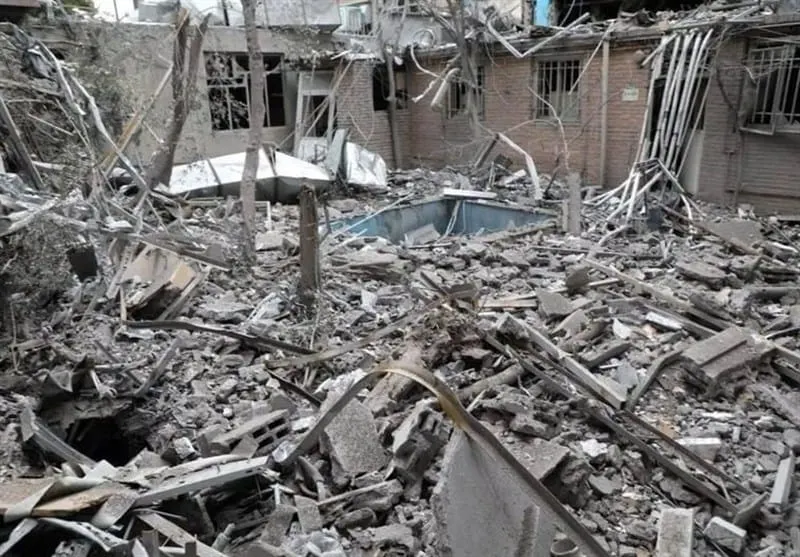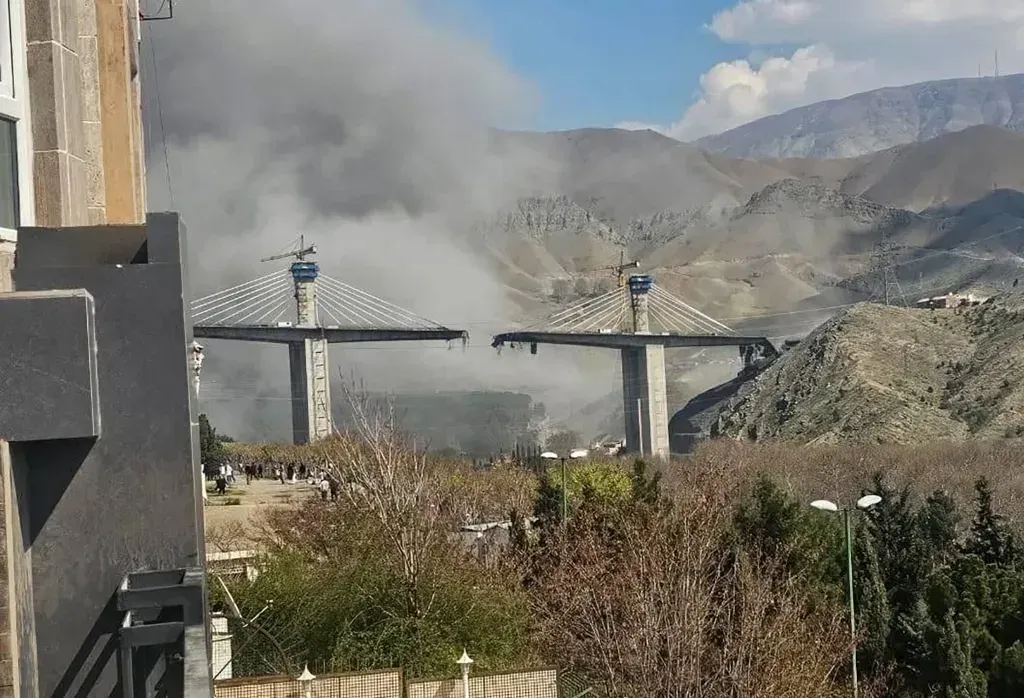
The municipality of Tehran, Iran reported this week that the ongoing war of aggression by a U.S.-Israeli military coalition has damaged 33,000 residential buildings across the Iranian capital during the past month. In a statement on April 2, Abdolmohar Mohammadkhani, spokesman for the mayor of Tehran, noted that these homes and apartments across the city are in need of repair, “ranging from minor repairs, such as fixing or replacing broken doors and windows, to cases in need of complete rebuilding or renovation,” reported PressTV. He added that operations for rebuilding 4,000 damaged residential structures have already begun, noting that the rebuilding is carried out either by owners with financial support from the municipality or directly by the municipality.
“In total, there are 1,869 affected families who have been in need of housing assistance. Of these, 1,245 families—some 4,200 citizens—have been accommodated in 23 residential facilities,” Mohammadkhani said.
The Iranian Red Crescent Society (IRCS) is providing damage reports from across the nation. Its latest statement is that U.S.-Israeli airstrikes have damaged or destroyed more than 115,000 civilian structures across the country over the previous five weeks. The IRCS states that “115,193 civilian units, including 91,498 homes and 22,580 commercial facilities, have suffered severe damage or been completely destroyed.”
At least 736 schools and educational centers have been directly hit and either completely destroyed or severely damaged by the blast wave of the U.S.-Israeli attacks, according to the statement. The IRCS figures show that more than 300 health and medical facilities have also been hit.
The International Federation of Red Cross and Red Crescent Societies (IFRC) charged on April 3 that one of its warehouses located in Bushehr Province was hit by a drone. The strike, early on Friday, destroyed two containers, two buses, and an unspecified number of emergency vehicles, Reuters reports from an IRFC spokeswoman. She did not attribute blame and Reuters said it could not immediately establish responsibility. The IFRC has 100,000 responders working in Iran and 3 of them have been killed since the U.S.-Israeli strikes on the country began on February 28.
Its head of delegation in Iran told Reuters on April 2 that medical needs were rising exponentially and supplies could run low.