In Aeschylus’s Oresteia, the oldest surviving trilogy of Western drama, the cycle of blood-vengeance that has consumed the House of Atreus is finally broken, not by more killing, but by the establishment of a court of reason. The Furies, the ancient spirits of retribution who demand blood for blood, turning each act of vengeance into the cause for further vengeance, are not destroyed; they are transformed. Athena, through an act of political courage, persuades them to accept a new role: as the Eumenides, the “kindly ones,” protectors of the city’s justice. The cycle ends not because vengeance is defeated in battle, but because destructive rage has been transformed into civic order and a concern for the whole.
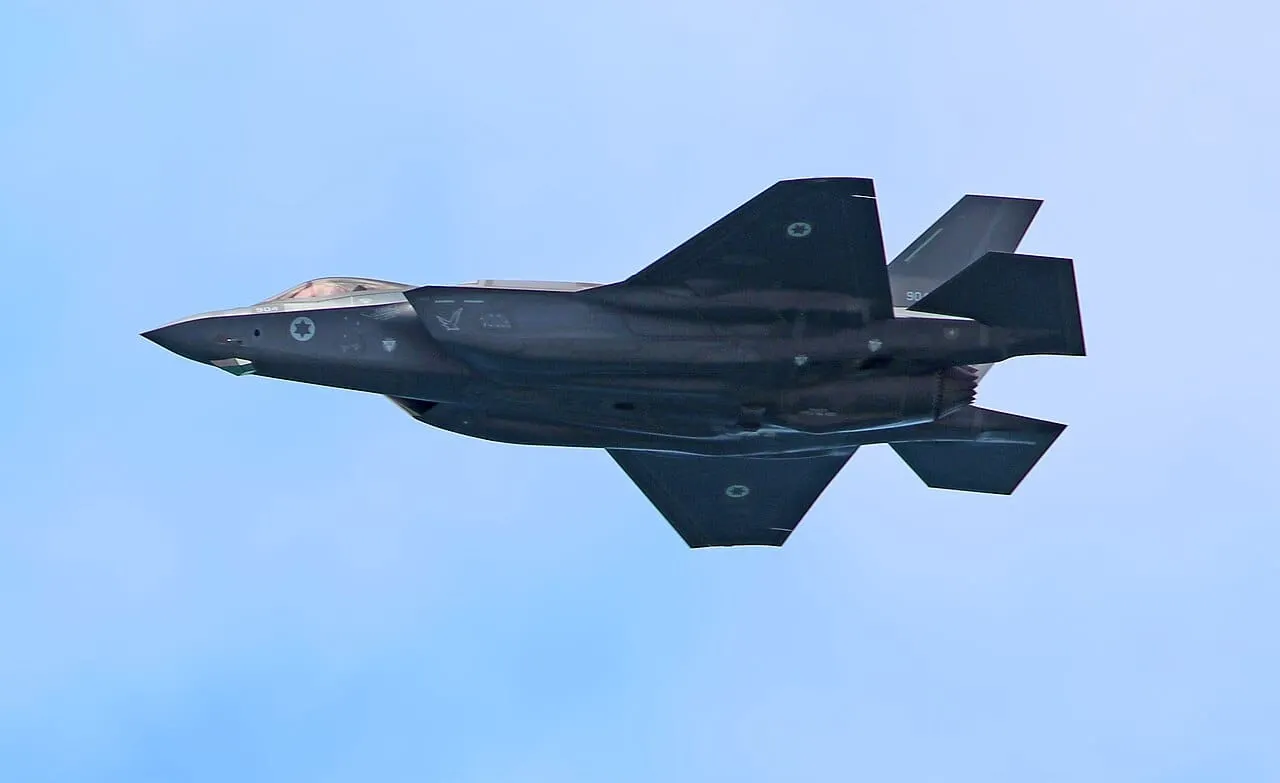
Note the name the Pentagon chose for its war on Iran: “Operation Epic Fury.” The name is apt in ways its authors did not intend. The Furies recognize no limit. They do not negotiate. They feed on the blood already spilled to justify the next spilling. That is the logic now operating: Netanyahu calls Trump after a ceasefire is announced, and the terms change. Israel strikes 100 targets in Lebanon on the first day of a truce, killing 13 state security forces in Nabatieh in a single blow. Former UK Prime Ministers Tony Blair and Boris Johnson [demand Britain enter the war](). Trump, who by Tucker Carlson’s account is under a “level of pressure that most people cannot fathom,” proposes a 250-foot arch honoring himself at the entrance to Arlington National Cemetery: a monument to the man who sent the latest round of Americans to die. Are the Furies enacting U.S. policy?
But Aeschylus wrote the Oresteia to show that the Furies can be transformed—and today’s developments suggest the transformation is possible. In Islamabad, U.S. and Iranian delegations sat down for talks, with Vice President Vance—who reportedly opposed the war from the start—leading the American side. Iran is demanding the release of frozen assets and a real ceasefire in Lebanon as preconditions, and there are signs, however fragile, that movement on both is underway.
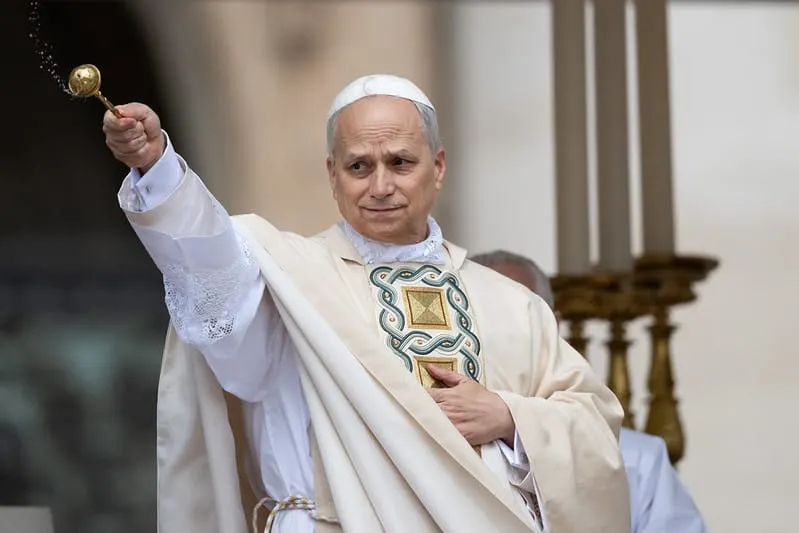
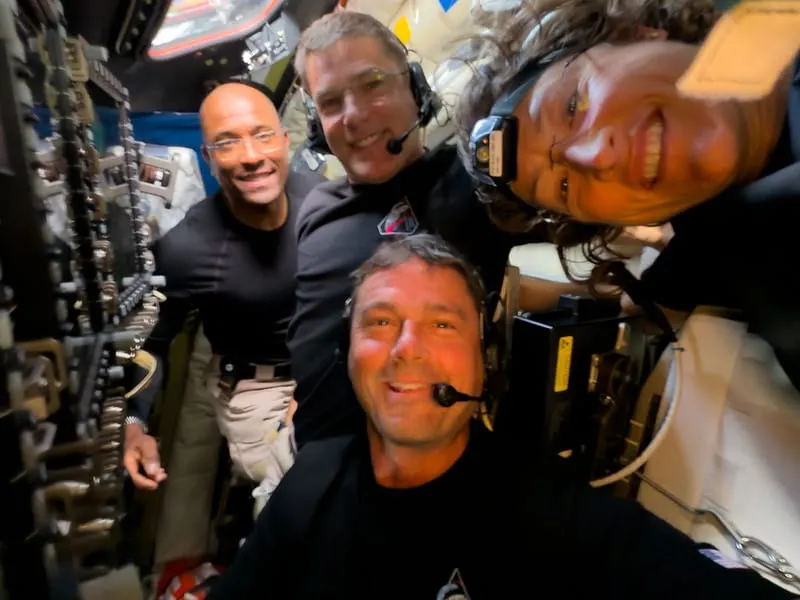
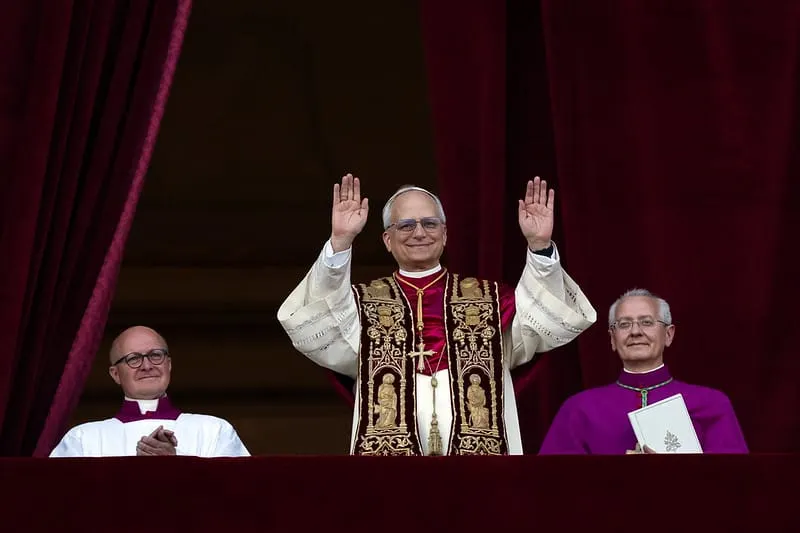
In Rome, Pope Leo XIV convened a worldwide prayer vigil, telling the leaders of nations: “Stop! It is time for peace! Sit at the table of dialogue and mediation, not at the table where rearmament is planned and deadly actions are decided!” He warned that “even the holy Name of God, the God of life, is being dragged into discourses of death"—a direct rebuke of the theological war-cries from Washington. Forty nations answered his call. In Beijing, as we reported yesterday, KMT Chairwoman Cheng Li-wun and Xi Jinping met in the first high-level cross-strait contact in a decade, choosing cultivation over conflict. And in the skies above the Pacific, four astronauts splashed down after humanity’s first voyage to the Moon in over 50 years—a reminder that the species is capable of something other than self-destruction.
The question Aeschylus posed 2,500 years ago is the question before us now: Who plays Athena? Who has the courage to face down the Furies—not with more force, but with the authority of reason and justice? The Congress of the United States, as constitutional attorney Bruce Fein and presidential candidate Diane Sare have argued, holds the power of the purse and could end this war with a vote. They have refused, twice. The Furies count on that cowardice. The new paradigm requires that it end.